Conservatism Domestic International About
2026
2025
2024
2023
2022
2021
2020
2019
2018
Previous Events

FRA 7th Anniversary Annual Meeting

2025.12.11

Founded in 2018, FRA was initiated by Elder Robert Lee, former Executive Yuan Policy Adviser and Overseas Community Affairs Council Commissioner. With the collective support of distinguished leaders from various sectors, the Association was formally established and initially led by Dr.Tommy Y. Lin—Presidential Office National Policy Adviser, former Chairman of Mackay Medical College, and Director of Lotung Wufu Eye Clinic. Under his steady leadership, the Association achieved significant progress. Upon completing his term in 2025, he stepped down and became Lifetime Honorary Chairman, passing the leadership to the current Chairman, Dr. Jason Chen, founder of Taiwan Ascend Space and former Vice President of the Formosan Association for Public Affairs.

On December 11, 2025, the newly elected board members invited distinguished figures from across society to join FRA 7th Anniversary Annual Meeting, bringing together longtime supporters and new friends while sharing the Association’s achievements in recent years.

Since its preparatory stage,FRA has organized forums on economic and financial policy. At the time, it already raised concerns about the unscientific and unreasonable nature of Japan’s seafood import restrictions, noting that such measures harmed Taiwan–Japan relations. During the Association’s 2023 visit to Japan, members met with Sanae Takaichi, then Minister for Economic Security, who likewise expressed Japan’s deep concern over the issue. After years of advocacy by FRA, government policy eventually shifted, and the restrictions were lifted. Now that Sanae Takaichi has become Prime Minister of Japan, this earlier chapter has become all the more meaningful.

Over the years, FRA has organized numerous forums on national defense and security, offering many policy recommendations. In 2025, it convened Taiwan’s first nationwide joint training for civil defense groups, with a scale of around one hundred participants; this training will continue annually. FRA has also held National Health Insurance forums, labor‑force policy forums, energy forums, and other major events. Through these efforts, the Formosa Association has demonstrated comprehensive concern for the nation’s critical sectors, along with strong capabilities in policy research, advocacy, and tangible policy influence.

FRA has been actively engaged in civic diplomacy. Former U.S. Secretary of State Mike Pompeo—often described as ‘the most pro‑Taiwan Secretary of State’—was invited by the Association in 2024 to deliver the ‘Never Give an Inch’ lecture and attend the Taipei launch of his new book. In 2025, the Association invited him again to Taiwan to give a keynote speech at the forum ‘Toward Lasting World Peace: The Shared Mission of the United States and Taiwan.’

In addition to the 2023 delegation visit to Japan, FRA organized another delegation in 2024, co‑hosting and participating in the Japan Strategic Studies Forum’s fourth ‘Taiwan Strait Crisis Policy Simulation’ wargame. Multiple countries, led by the United States, sent observers to attend the exercise.

Following the tragic killing of Charlie Kirk, a leading young conservative voice in the United States—a loss mourned around the world—FRA immediately began organizing a commemorative event. It invited conservative political leaders from the United States, Japan, and Brazil, as well as Israel’s representative in Taiwan, Maya Yaron, and established contact with Turning Point USA, the organization founded by Kirk.

Participants at this year’s 7th Anniversary Annual Meeting included Minister of Education Cheng Ying‑yao; Minister of Digital Affairs Lin Yi‑ching; Legislator Lee Kun‑cheng; Legislator Chen Ying; Overseas Community Affairs Council Deputy Minister and Formosa Association member Li Yen‑hui; as well as numerous city councilors from New Taipei, Taoyuan, Keelung, and Hsinchu—among them Cho Kuan‑ting and Chen Nai‑yu. Former Taichung Mayor Chang Wen‑ying, Taiwan Solidarity Union Chairwoman Chou Ni‑an, former TSU Chairman Liu Yi‑te, and New Power Party Chairwoman Wang Wan‑yu were also in attendance.

The keynote speech of the anniversary meeting was delivered by Professor Li Hsiao‑feng on the theme ‘An Illustrated History of Taiwan.’ Professor Li is not only a leading authority on Taiwan history, but also the younger brother of Elder Robert Lee, the late initiator of FRA. Having Professor Li present Taiwan’s history at the annual meeting carried special significance.

The annual meeting also introduced the young team responsible for FRA’s international cooperation initiatives, along with two of FRA’s long‑term programs. One is FRA’s effort to promote a conservative perspective on international affairs, which led to the creation of the ‘Ten‑Minute World Brief’ international news digest and its derivative collaborative podcast ‘Global Affairs: Collector’s Edition.’ The ‘Ten‑Minute World Brief’ will itself be developed into a standalone podcast in the future. The second long‑term initiative stems from FRA’s belief that the spirit of conservatism is rooted in humanity’s learning from history. To that end, FRA has been producing and refining concise world‑history lecture materials and regularly convenes focused‑group world‑history reading sessions.

The annual meeting concluded with all members of FRA’s third‑term board joining together in a chorus of ‘Taiwan the Green.’ Building on the stable foundation established over the past seven years, FRA will continue moving forward, remaining committed to supporting Taiwan’s development in both domestic and international affairs.

7th Anniversary Retrospective Video Link

7th Anniversary 7th Anniversary 7th Anniversary 7th Anniversary 7th Anniversary 7th Anniversary 7th Anniversary 7th Anniversary 7th Anniversary 7th Anniversary 7th Anniversary 7th Anniversary 7th Anniversary 7th Anniversary 7th Anniversary 7th Anniversary 7th Anniversary 7th Anniversary 7th Anniversary 7th Anniversary 7th Anniversary 7th Anniversary 7th Anniversary 7th Anniversary 7th Anniversary 7th Anniversary 7th Anniversary 7th Anniversary 7th Anniversary 7th Anniversary 7th Anniversary 7th Anniversary 7th Anniversary

FRA Hosts Second “Left-Right Forum.”

2025.10.18

FRA Hosts Second “Left-Right Forum,” Focuses on Energy and Healthcare Resilience Amid Geopolitical Risks

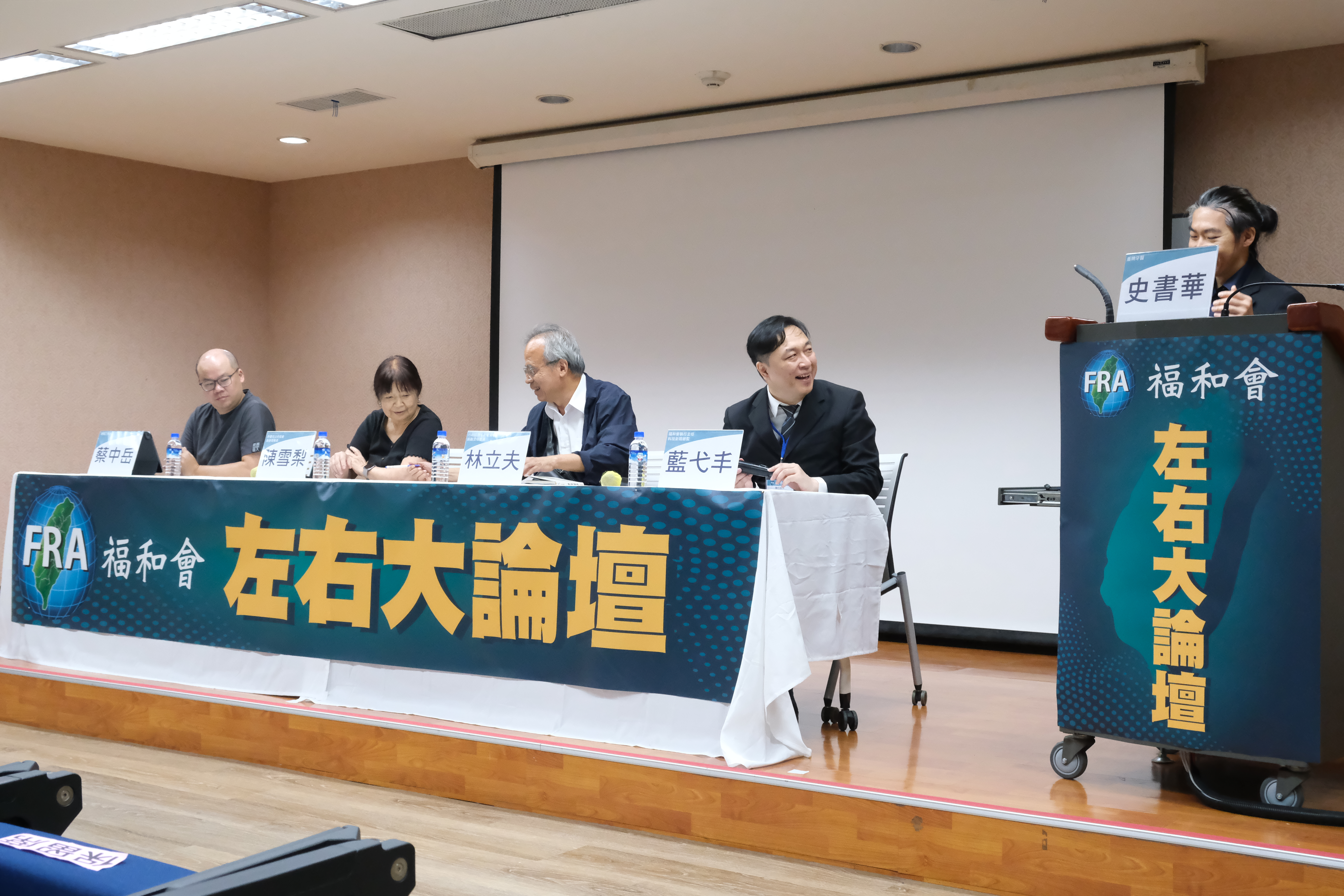
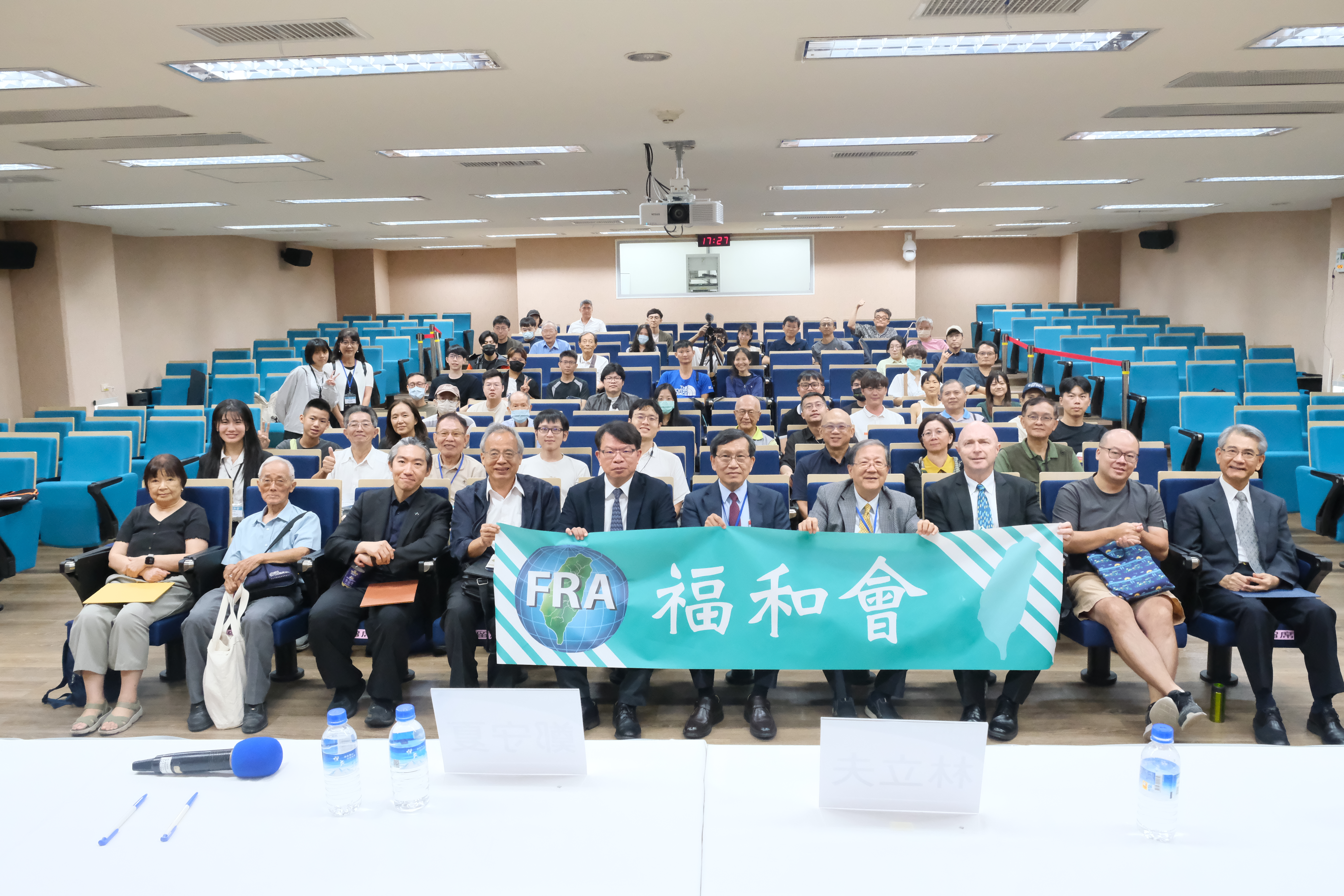
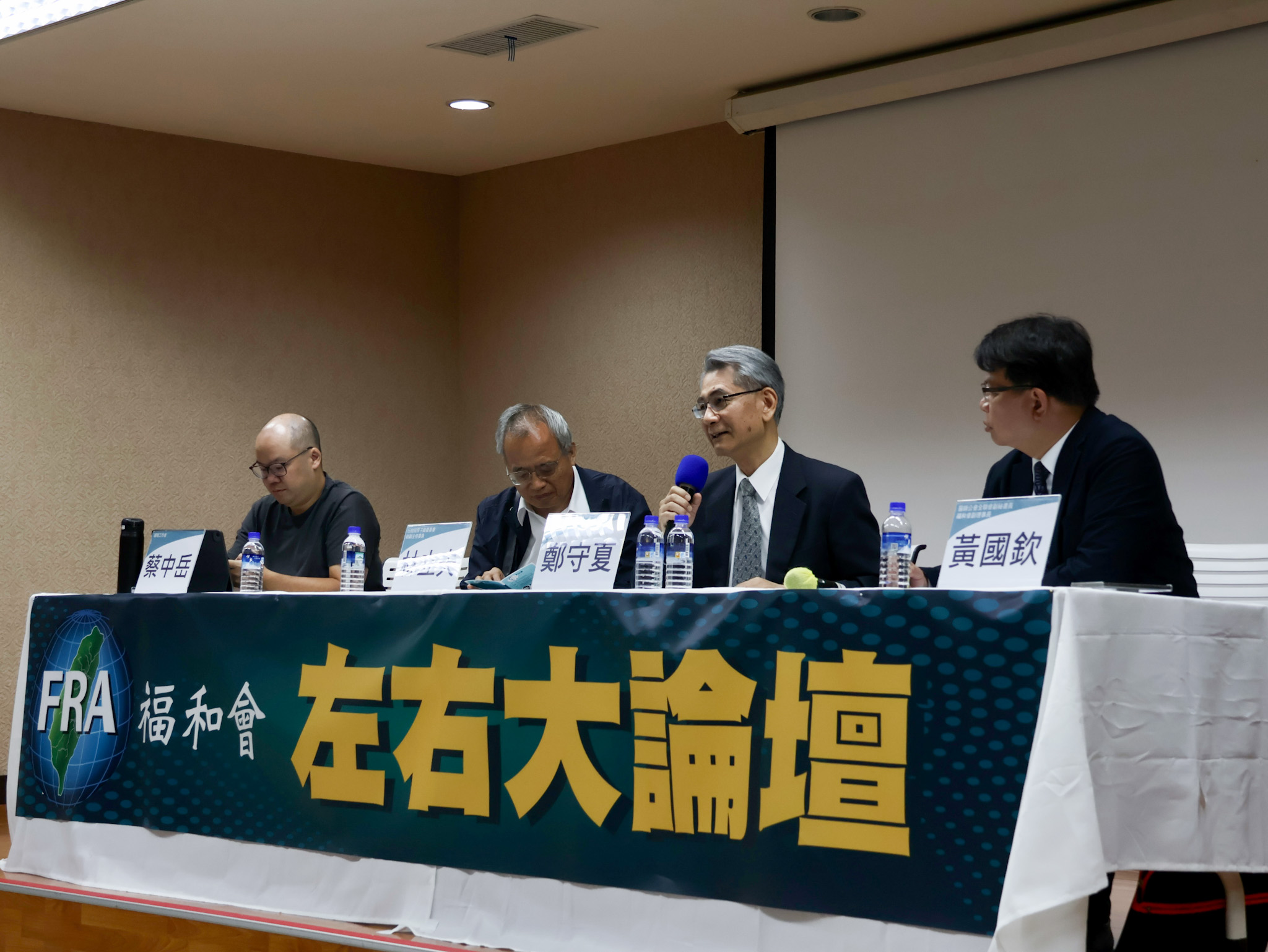
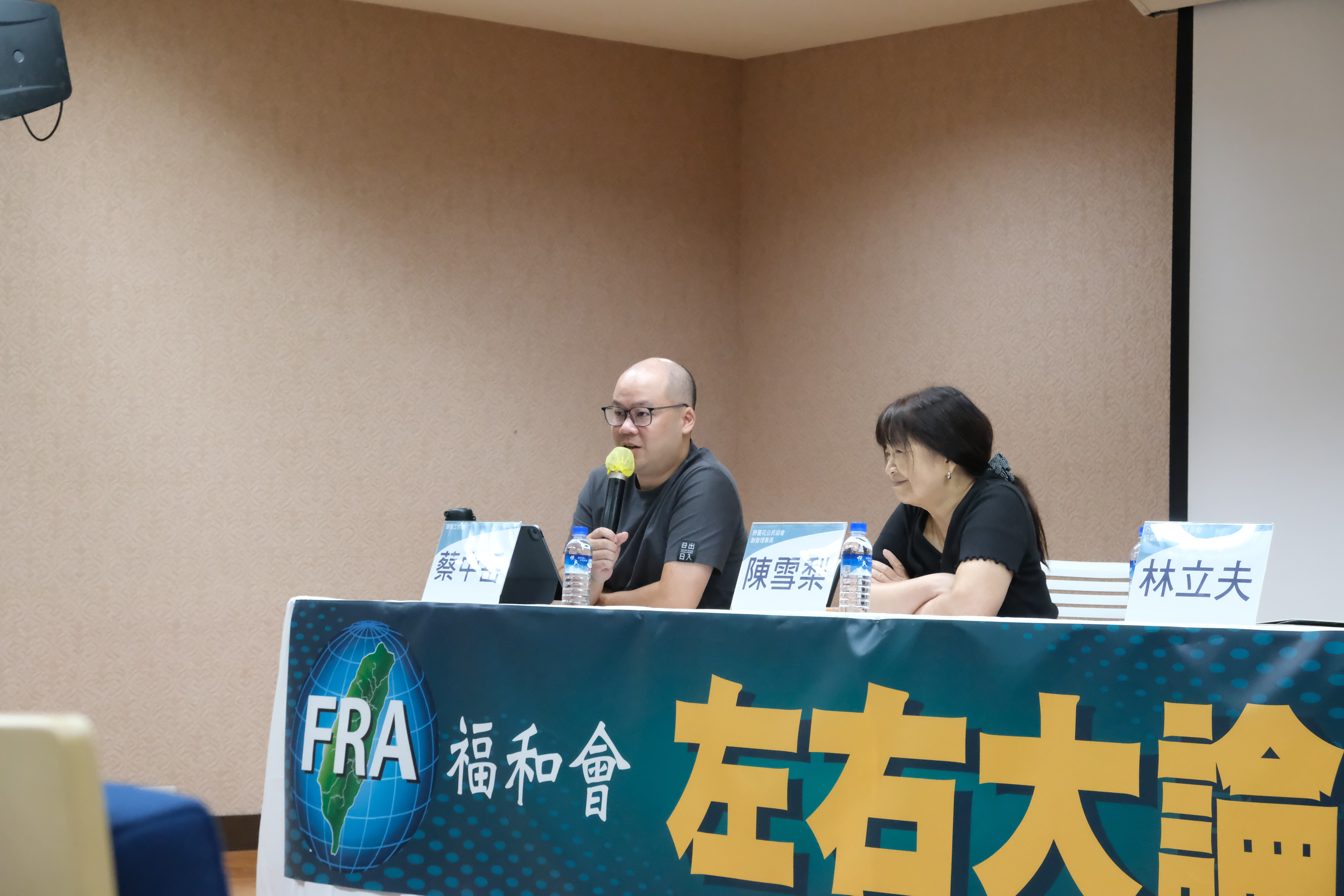
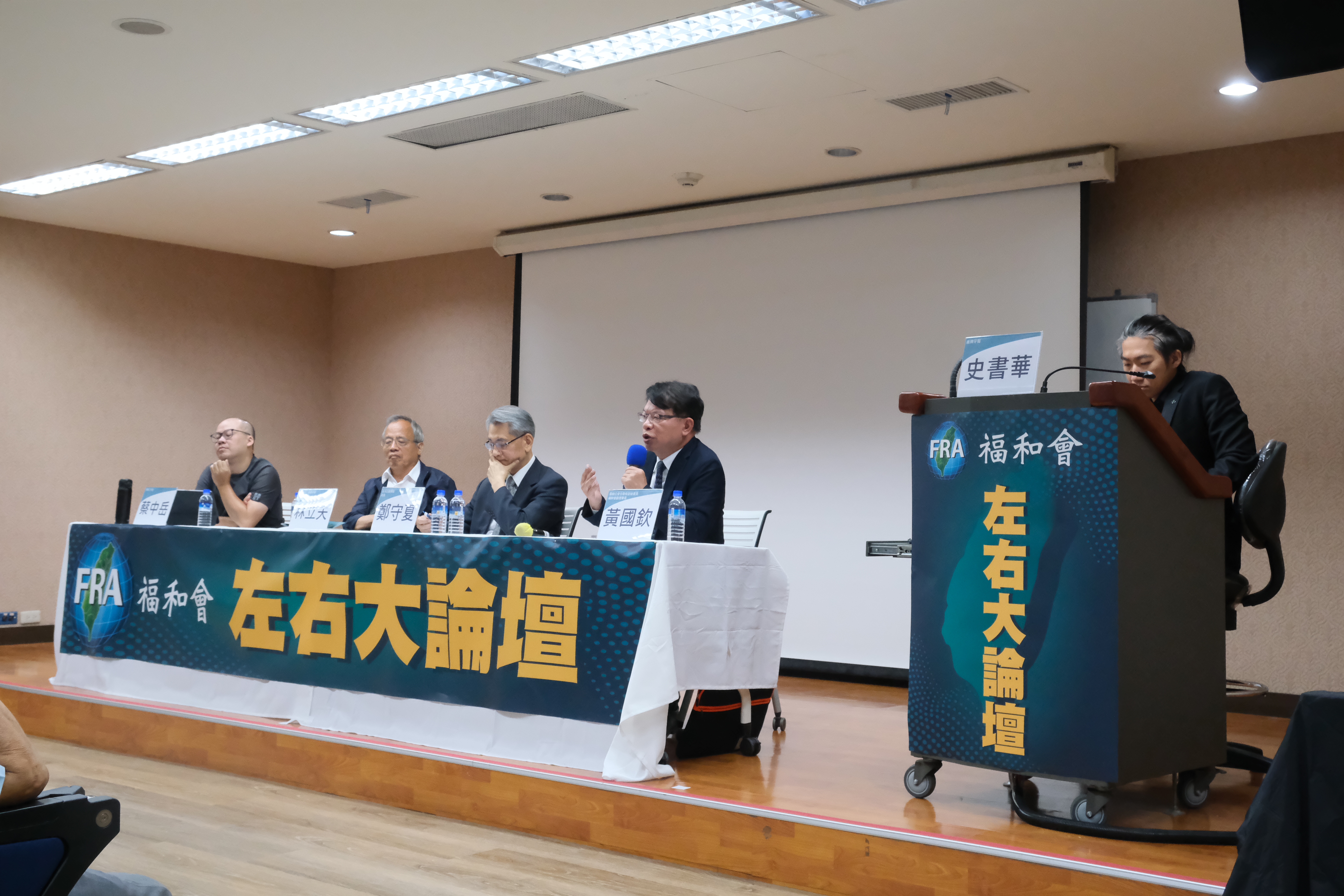
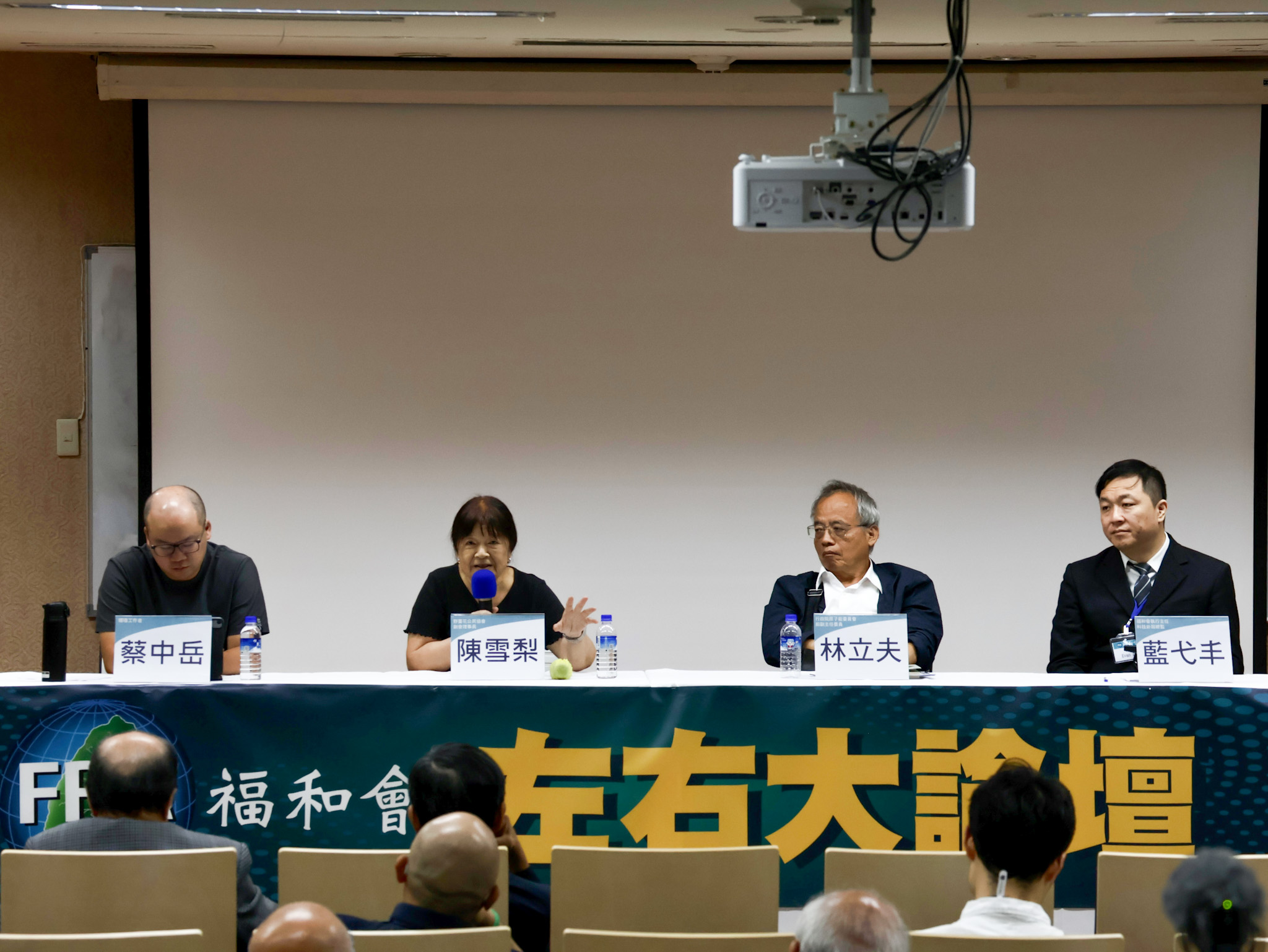
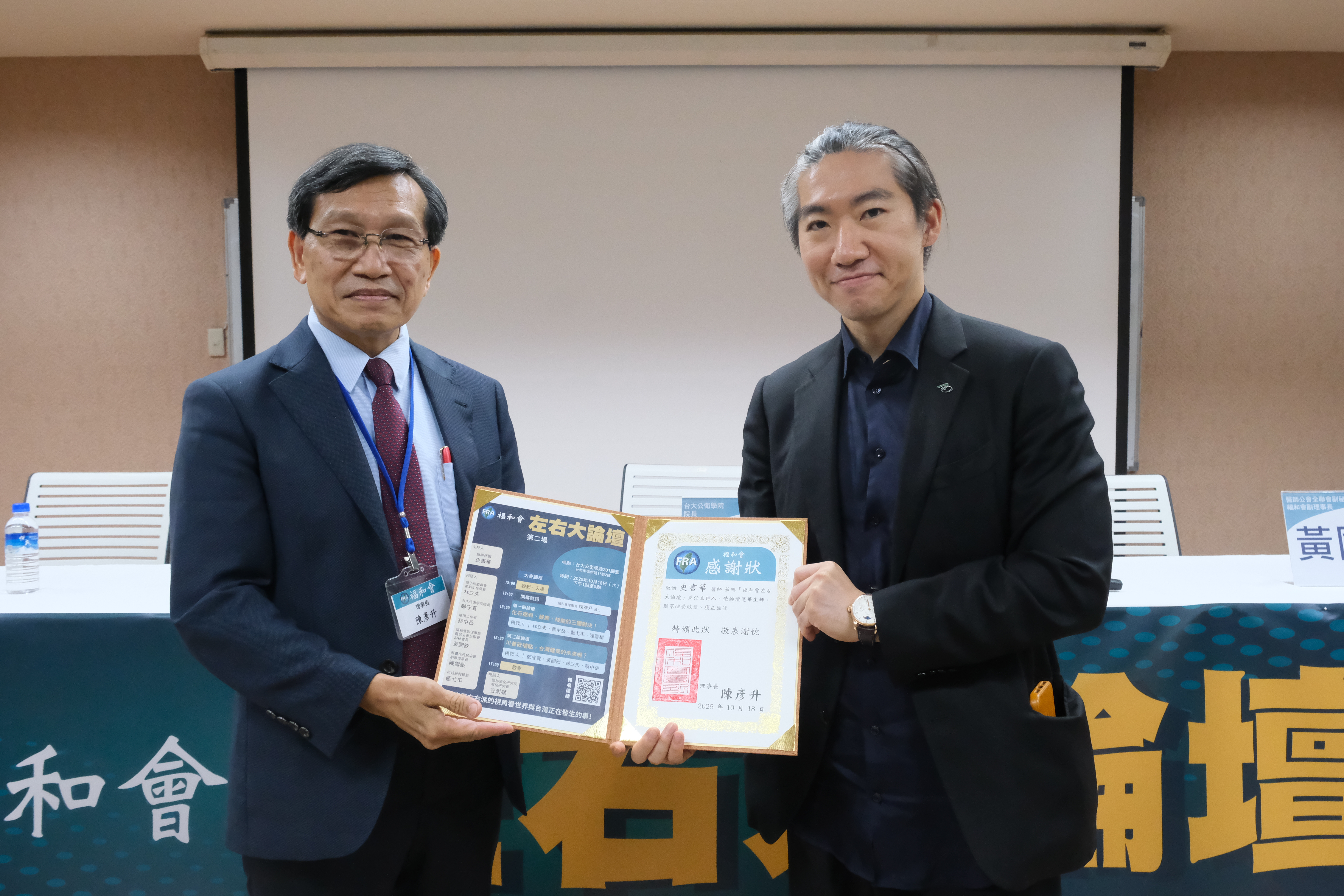
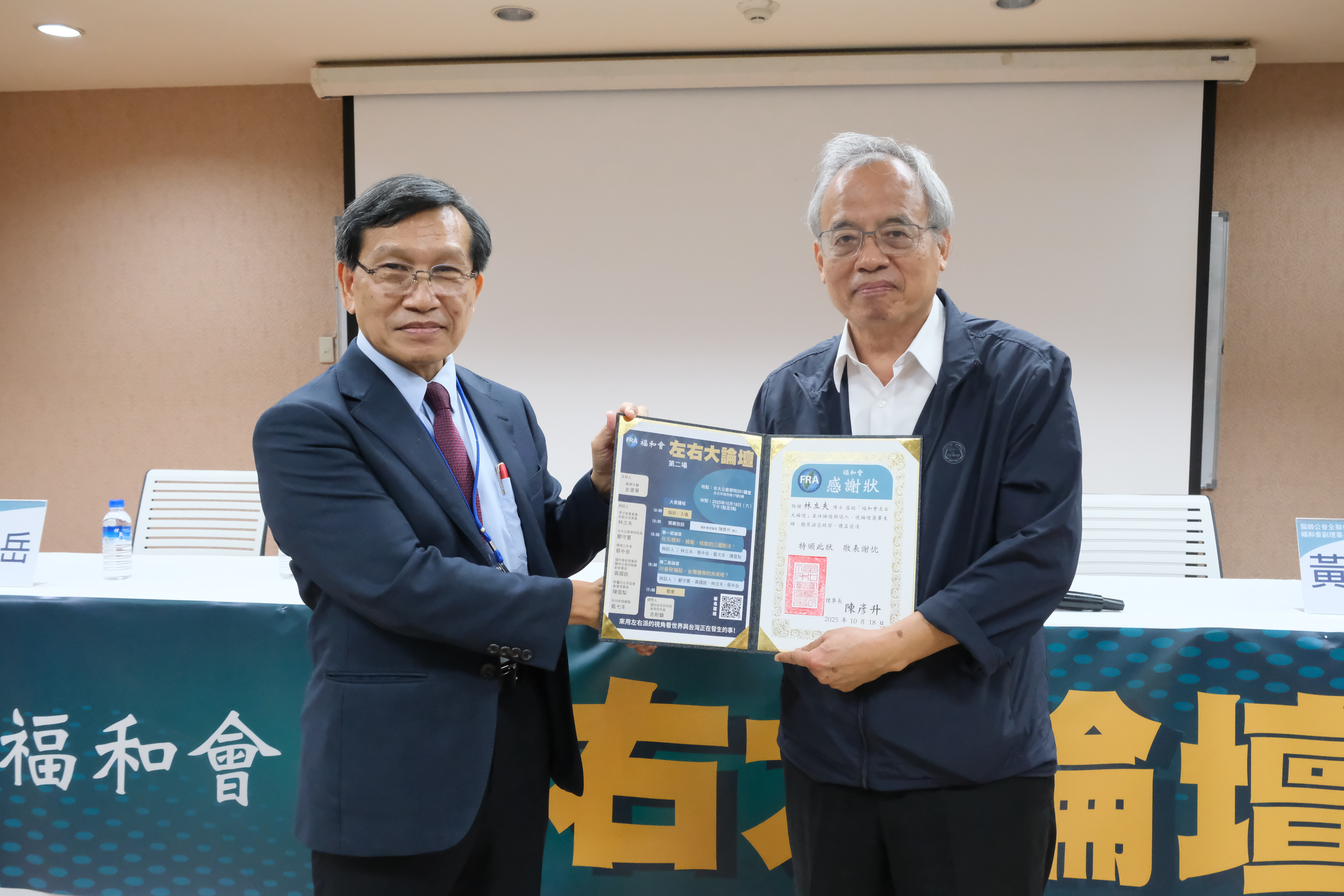
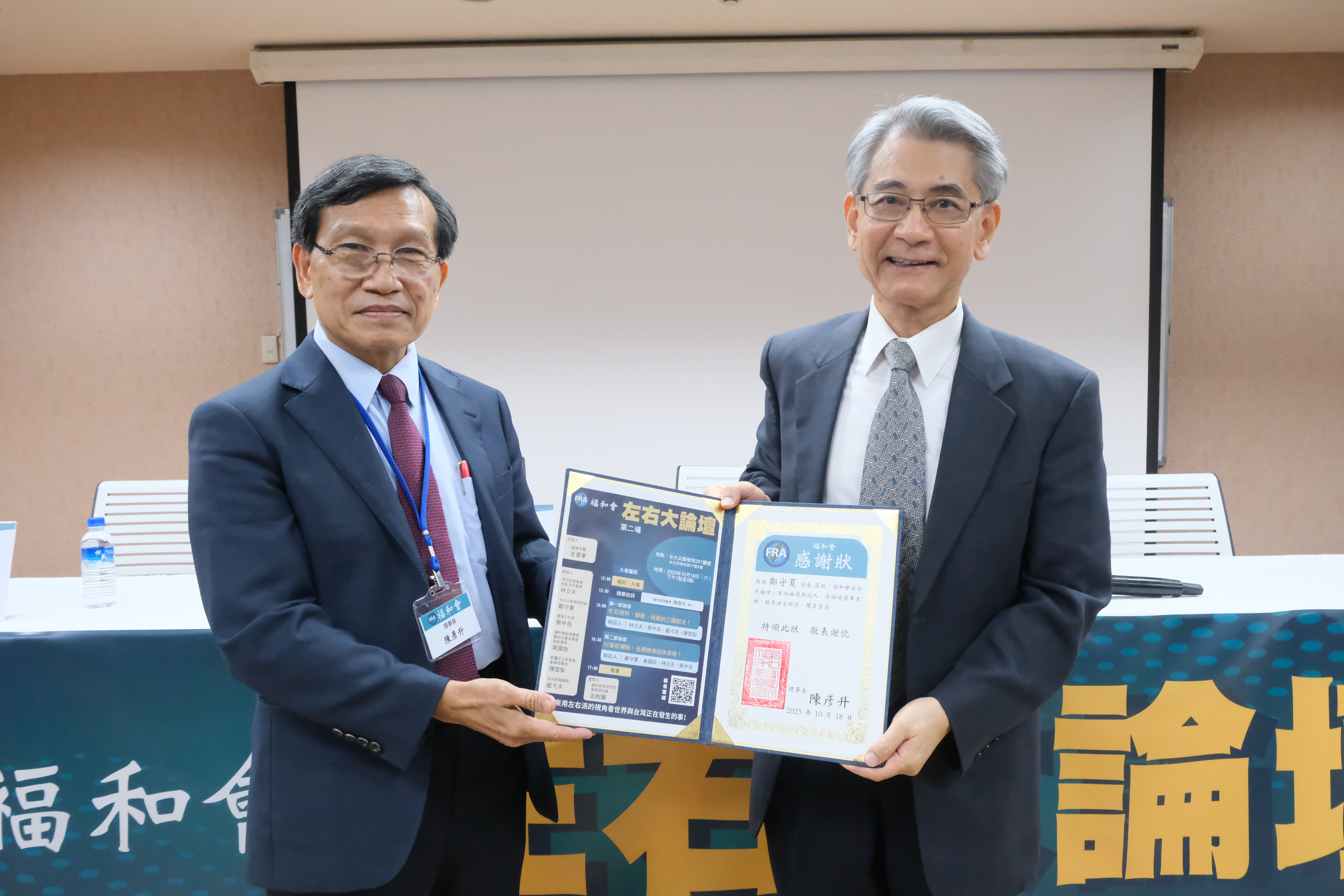
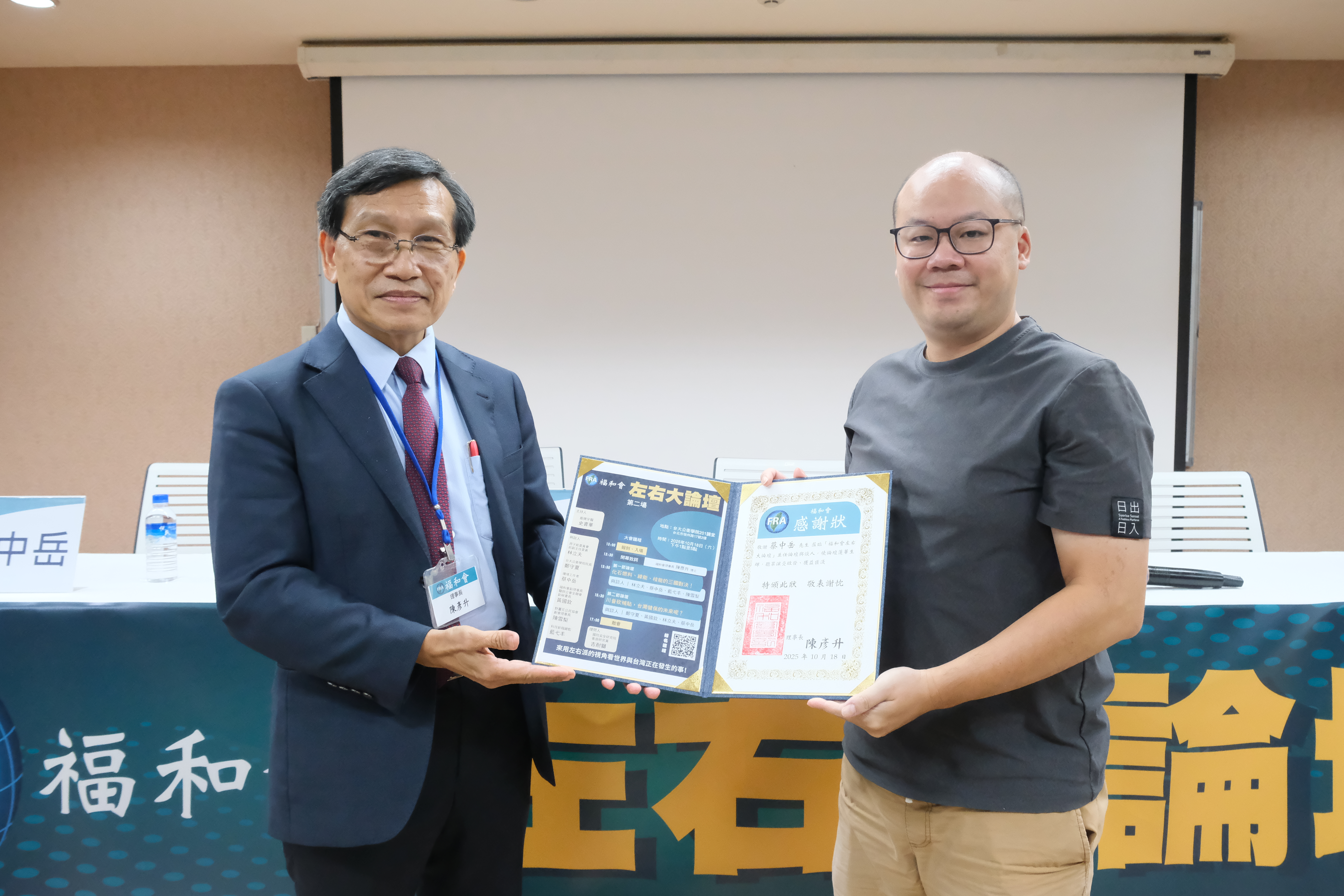
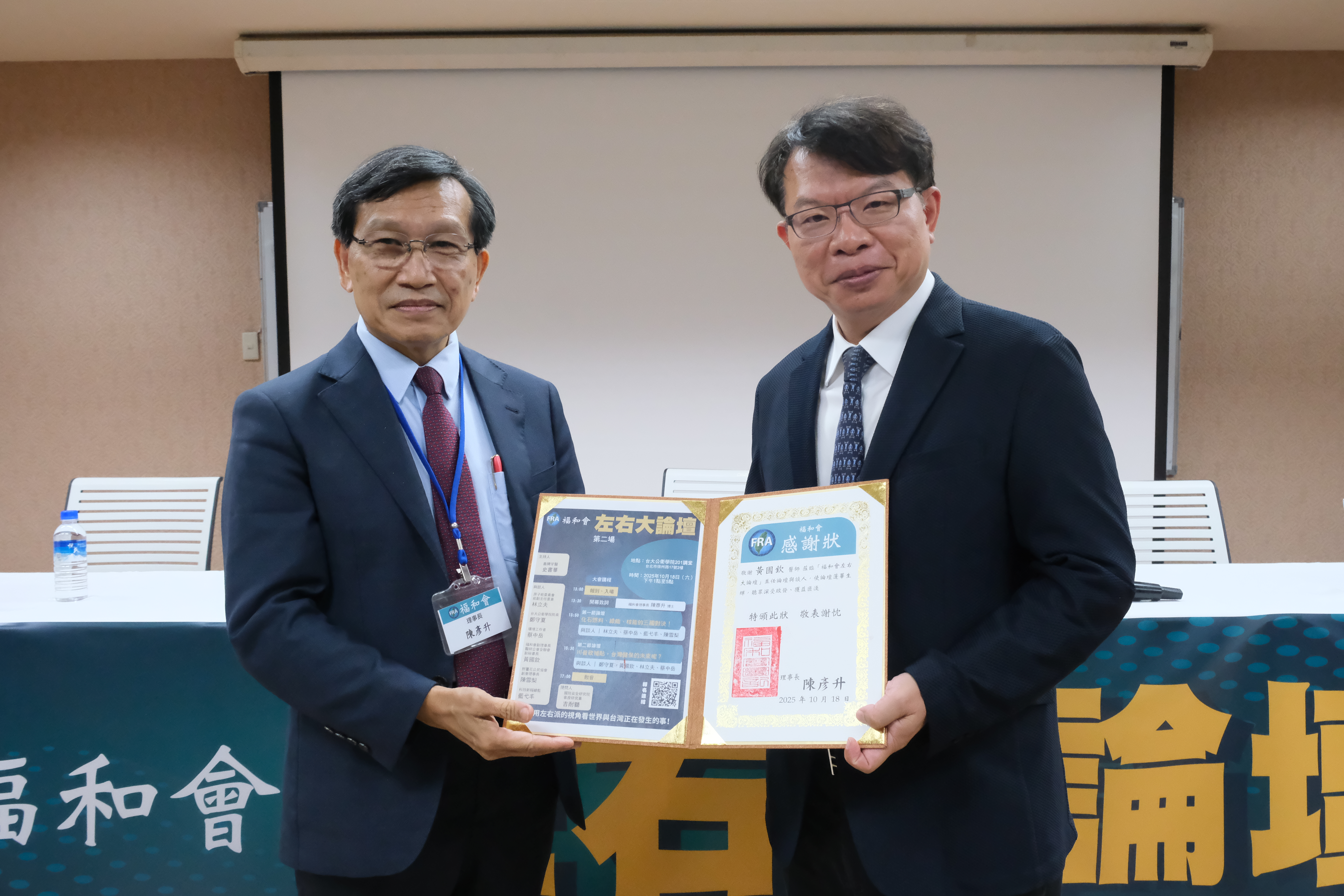
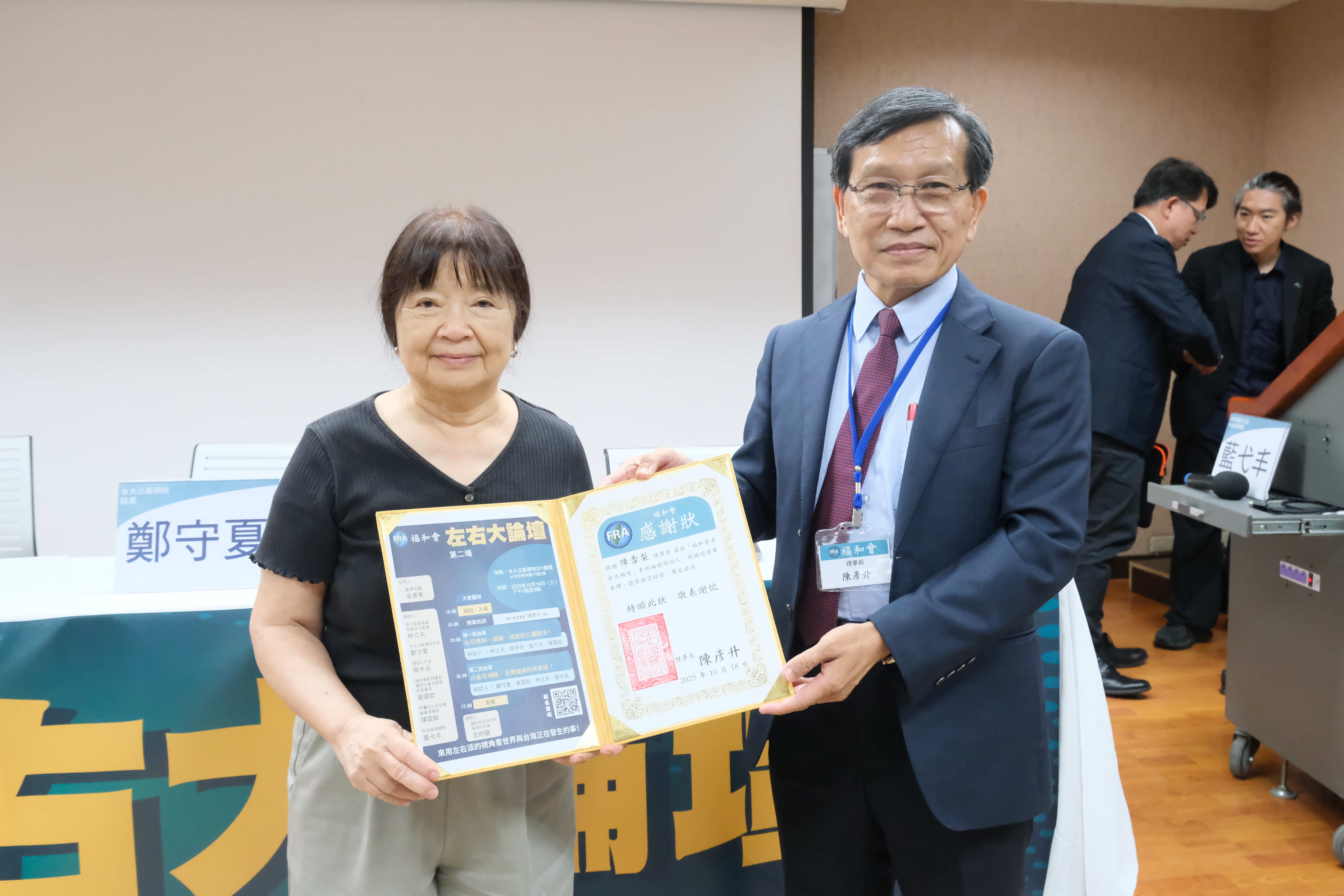
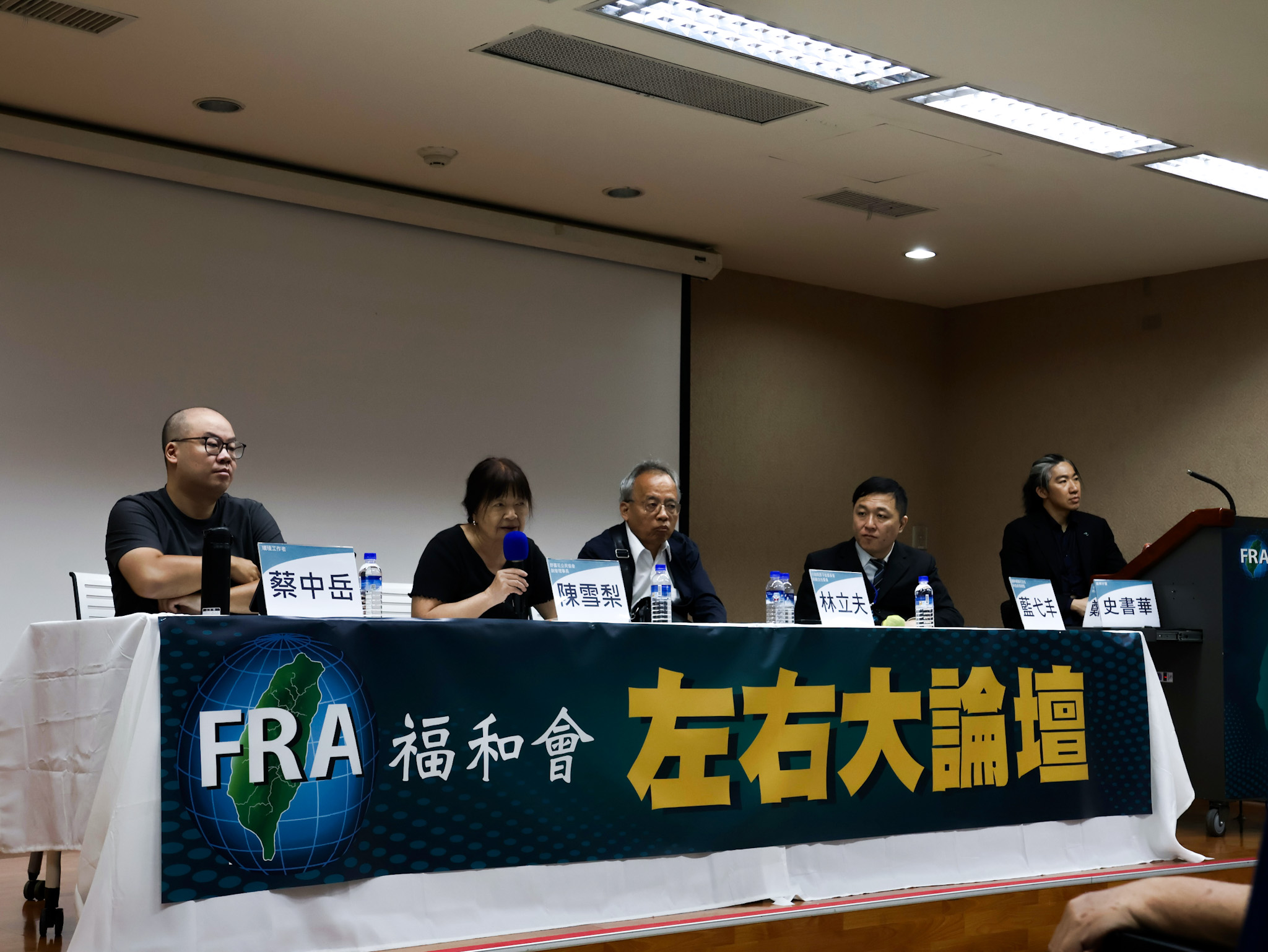
On October 18, the FRA held the second session of its “Left and Right Forum” series at the National Taiwan University College of Public Health. Centered on energy policy and the healthcare system, the event brought together experts, scholars, and civil society representatives to explore how Taiwan can balance efficiency and equity while facing the pressures of resilience needs, environmental challenges, and healthcare sustainability especially amid rising geopolitical tensions. Speakers pointed out that as the threat of war grows, whether Taiwan’s energy supply can meet wartime demands and whether its medical and pharmaceutical systems can keep operating during conflict have become tests of institutional strength and policy choices.

Fossil Fuels, Green Energy, Nuclear Power: A Three-Way Contest

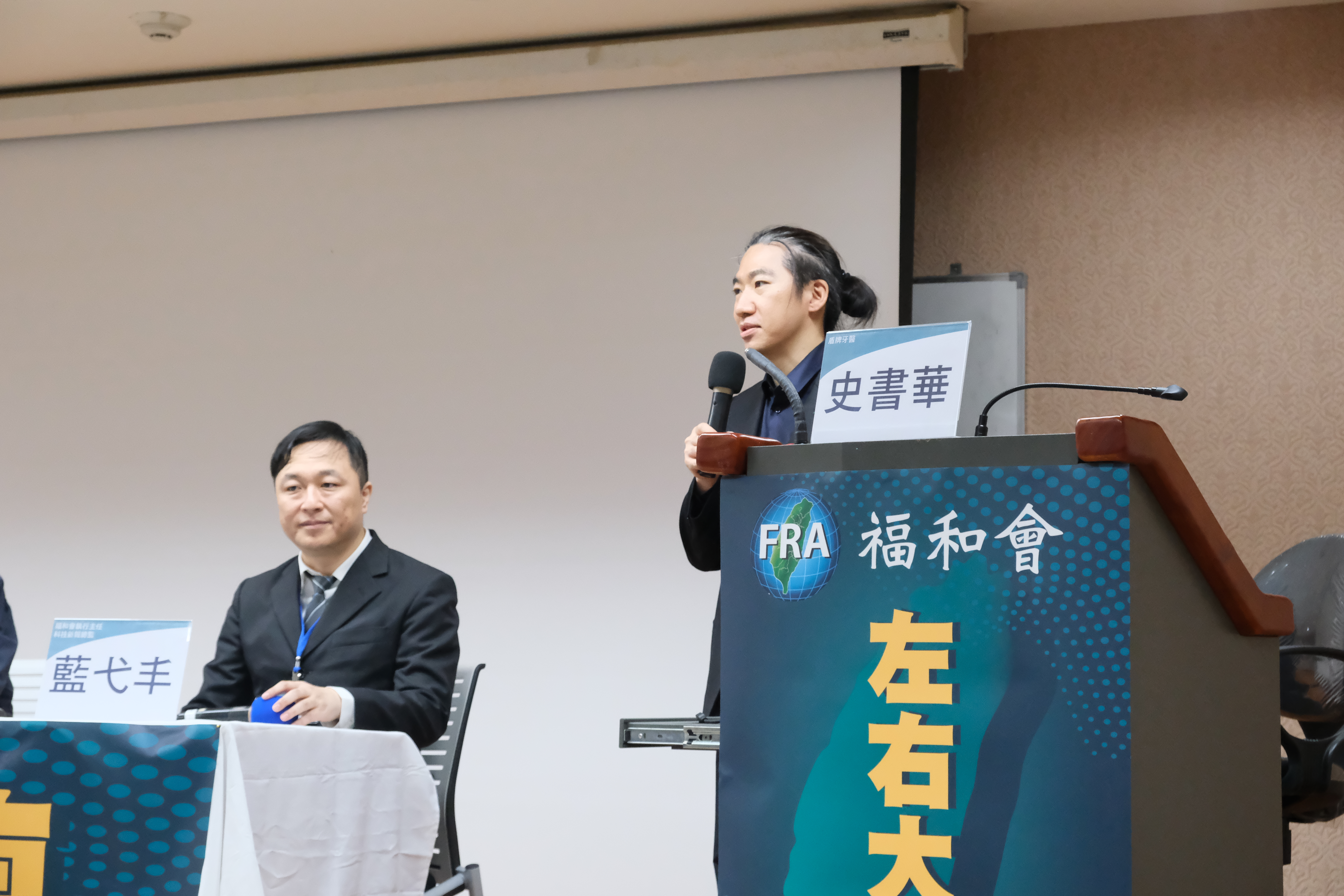
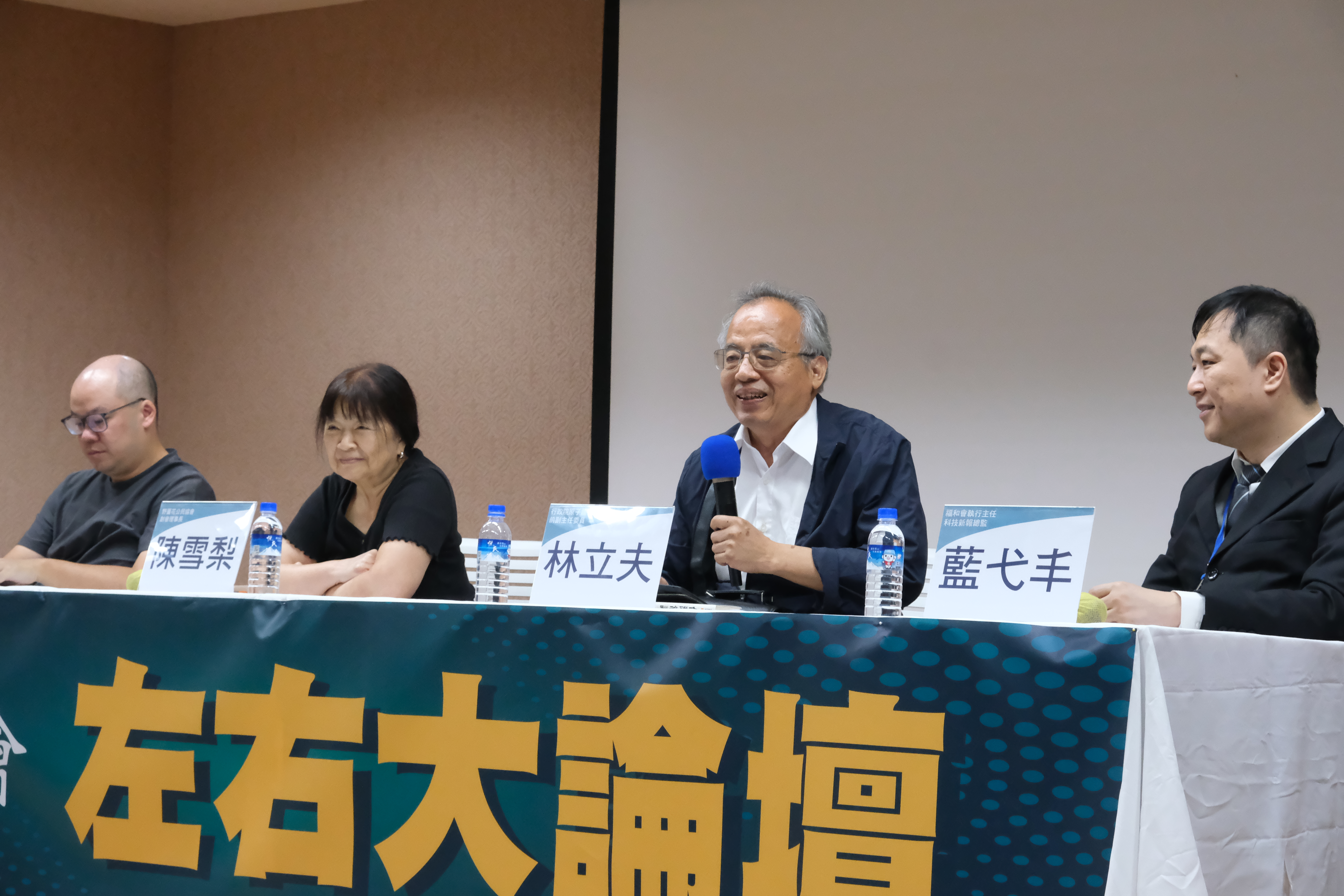
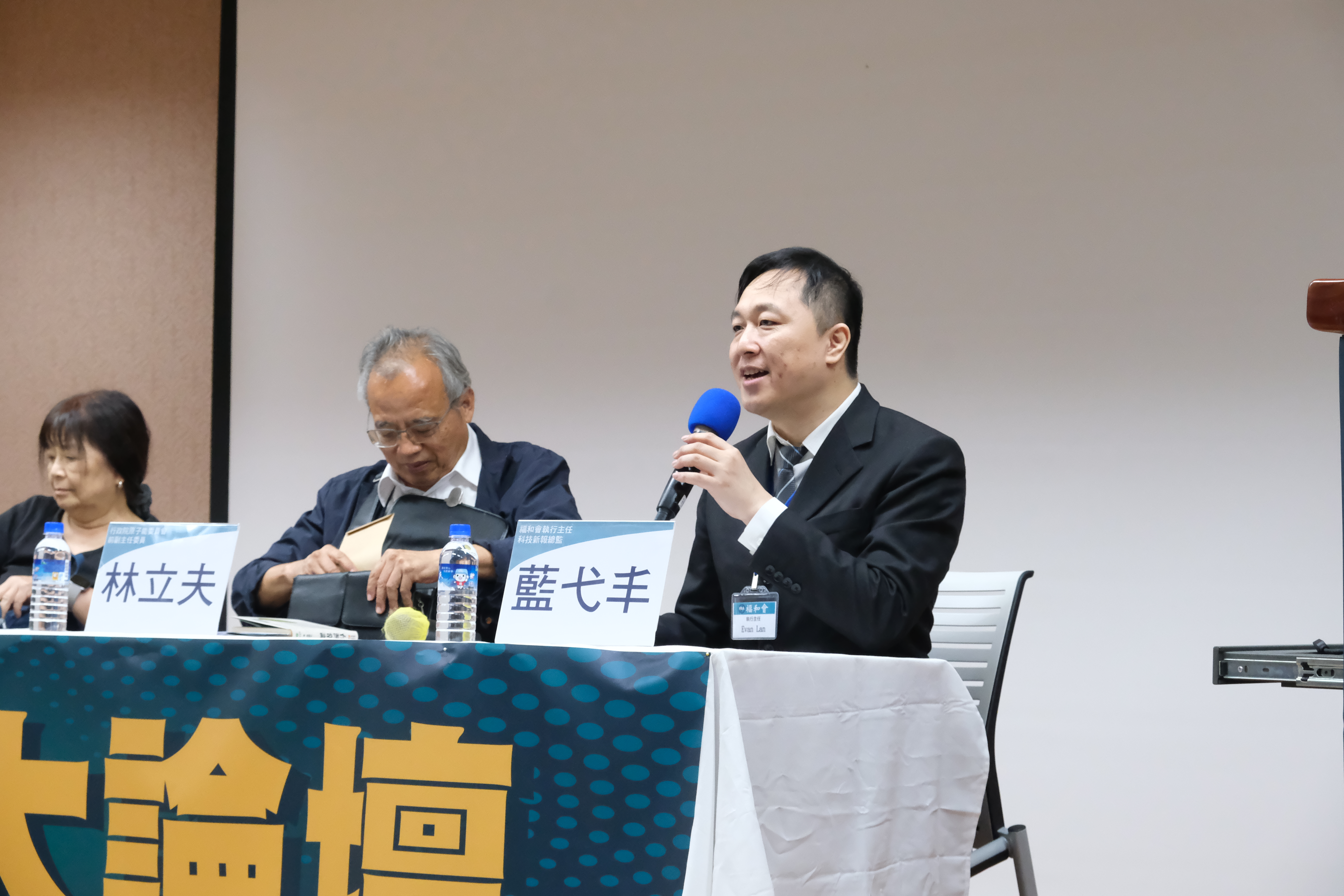
The first half of the forum, moderated by dentist and social activist Shih Shu-hua, focused on energy issues. Panelists included Lin Li-fu, former Deputy Director of the Atomic Energy Council; Lan Yi-feng, Executive Director of the FRA; Tsai Chung-yueh, veteran environmental activist; and Chen Hsueh-li, Executive Director of the Citizens Association for Public Policies. Their discussion drew from perspectives on nuclear safety, green energy transition, and energy independence to examine the tensions between carbon reduction, economic development, and safety. FRA Executive Director Lan Yi-feng noted that while Taiwan often views politics through a blue–green lens, the real framework for public policy discussion internationally operates on a left-right model. According to him, “Only by understanding left and right can we understand the language of international politics and media.” He cited The New York Times as an example of a self-identified left-leaning publication whose stance readers should be aware of.

Tracing the global energy context, Lan explained that during the Cold War, most right-leaning groups supported nuclear power while left-leaning groups opposed it. However, as decarbonization became a major issue in the 2000s, parts of the Western left shifted toward supporting nuclear energy as a means of reducing carbon emissions. In contrast, much of Taiwan’s anti-nuclear movement has retained their stance. Lan argued that energy choices should return to data and cost-based analysis (such as Levelized Cost of Energy, or LCOE). Both pro- and anti-nuclear stances can stem from different values, such as from reducing carbon emissions (left), or from seeking efficiency and security (right). “The conclusion may be the same, but the motivations differ,” he concluded.

He also explained the “duck curve” and the causes of NOx pollution, reminding the audience that what Taiwan refers to as “dirty energy” points to air pollution, while the international left primarily uses the term to refer to carbon emissions.

Lin Li-fu, former Deputy Director of the Atomic Energy Council, cautioned against viewing energy debates as a “Three Kingdoms” rivalry and instead called for a “Three Allies” cooperative approach. He proposed three guiding principles: low electricity prices, energy security and resilience, and a low-carbon transition.

On electricity pricing, Lin noted that Taiwan’s policy of keeping residential rates lower than industrial rates reflects a left-leaning emphasis on equity, whereas countries like Japan and Germany adopt market-based systems where industrial users pay lower rates due to high consumption. This difference, he said, illustrates the divide between left and right economic philosophies.

He warned that Taiwan must keep overall electricity prices reasonable and affordable to maintain industrial competitiveness, or risk weakening its manufacturing and export foundations. Taiwan’s natural gas reserves currently cover only 11–14 days of use, far below South Korea’s and Japan’s 30–46 days, posing a key vulnerability in energy resilience. He called on the government to prioritize energy risks and build a more stable and diversified reserve system.

Using LCOE benchmarks, Lin estimated that the ideal cost of power generation should be NT$1.5–4.5 per kWh (roughly US$50–150 per MWh), a range that balances affordability and competitiveness. While Taiwan has not yet met this target due to lagging technology and immature industries, it holds major potential in renewable energy such as ocean thermal, marine current power, and geothermal energy and even ranks among the world’s top three in some such areas. Combined with its semiconductor expertise, Taiwan could develop globally competitive industries if it leverages domestic strengths and adopts new technologies. “In an AI and digital era, electricity prices are national power,” Lin concluded, emphasizing that energy policy should first ensure reliable and affordable electricity for industry.

Environmental activist Tsai Chung-yueh highlighted “secondary peak-hour” risks, noting that Taiwan’s greatest energy strain occurs from 6–10 P.M., and not midday in summer. Solar energy can ease the midday load, but energy storage and pumped hydroelectricity are needed after sunset. Recent blackouts, he argued, stem mainly from grid fragility and transmission issues, not generation shortfalls, and decentralized systems with renewable and storage capacity can operate even after disasters, demonstrating greater resilience.

He pointed out that energy policy cannot rely on a single solution, and a mixed portfolio is widely recognized as essential. The main energy debate, then, centers more on nuclear power. LCOE calculations, he warned, can be misleading if they exclude backend and waste disposal costs. Taiwan currently lacks a permanent nuclear waste site, and uncertainties around nuclear back-end funding and regulatory changes must be addressed. Additionally, he pointed out that given Taiwan’s dense population and seismic activity, new nuclear plants, as well as the extended use of existing plants, face heightened safety and social challenges.

On geopolitical risks, Tsai urged rethinking energy models under a “blockade scenario,” explaining that if exports stop and industrial power demand falls, overall load patterns would shift. In such cases, locally available renewable energy and storage systems would become vital strategic energy sources for sustaining essential functions.

Chen Hsueh-li, of the Citizens Association for Public Policies, called geothermal energy Taiwan’s most overlooked but scalable local resource. She cited geological surveys showing high potential for geothermal development if the country adopts a de-risking pathway of systematic exploration followed by drilling and demonstration. She pointed out that an initial NT$3 billion investment in exploration could dramatically raise success rates, a small but crucial cost compared to the NT$530 billion used for gas conversion.

She noted that US data centers increasingly use self-supplied power, applying oil and gas technologies to new-generation geothermal (EGS) systems and rapidly reducing costs. Geothermal and small modular reactors (SMRs) are now emerging as parallel options, but SMRs face uncertain timelines and waste issues, making geothermal timelier and more accessible for Taiwan. She recommended launching national exploration and demonstration projects in high-potential regions such as the northern volcanic zones, offshore areas, and the Lanyang Plain (also known as the Yilan Plain).

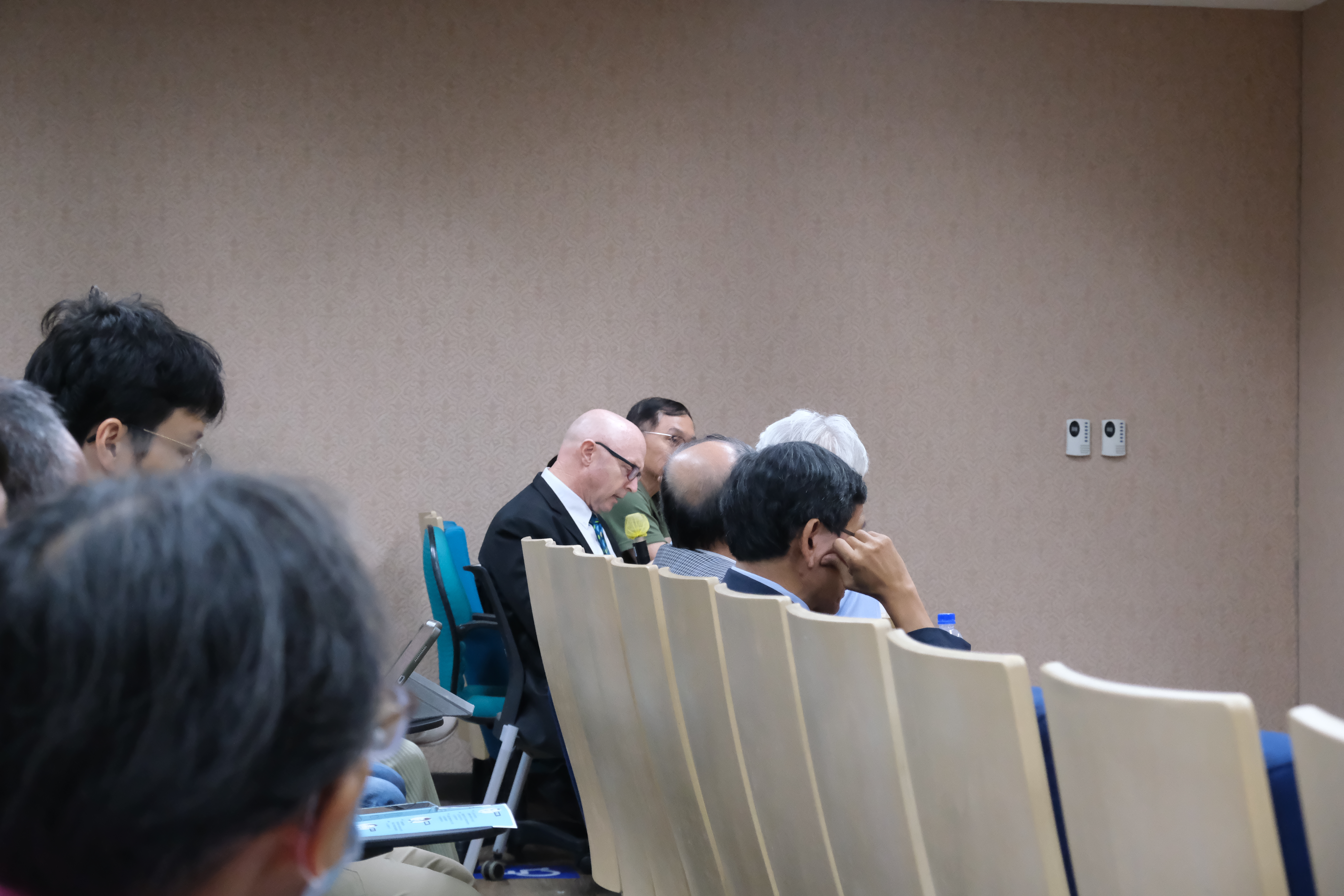
Guest speaker Guermantes Lailari, a visiting scholar at the Institute for National Defense and Security Research, raised concerns about the surging electricity demand from AI and semiconductor manufacturing, wartime energy security, and Taiwan’s reliance on Chinese energy technologies. Panelists responded that energy conservation could ease demand, with industrial energy savings of 30% able to stabilize overall consumption. On China’s dominance in renewable and nuclear equipment, they suggested building short-term reserves while developing local industries and international partnerships over the medium and long term to reduce dependance. Additionally, they explained that under wartime or blockade conditions, instead of sheer generation volume, distributed generation and storage would be key to maintaining essential power and communications.

At the Crossroads of Fairness and Efficiency: Healthcare Sustainability and Social Resilience

The second half of the forum turned to healthcare, featuring NTU College of Public Health Dean Cheng Shou-hsia and Taiwan Medical Association Deputy Secretary-General Huang Kuo-chin, as well as prior panelists Lin Li-fu and Tsai Chung-yueh who offered perspectives as professionals from outside the medical establishment. Moderator Shih Shu-hua also shared his experience with running both a private dental clinic and a National Health Insurance (NHI) clinic.

Dean Cheng Shou-hsia noted that Taiwan’s NHI is fundamentally left-leaning—government-led and emphasizing fairness and accessibility. Yet aging demographics, a shrinking workforce, and rising costs from new drugs and technologies are creating financial strain on the system. While satisfaction with NHI remains high, this “high satisfaction–low payment” paradox reduces reform incentives, threatening sustainability. He urged the government to reassess funding and payment models, align spending with international benchmarks, and gradually shift from case-based to outcome-based payments, rewarding medical results rather than service volume. Alongside this shift, he said reasonable co-payments should be implemented to improve resource efficiency. Cheng also stressed the importance of social resilience during conflict and crises. While large hospitals perform mass-casualty drills, the real risk lies in disruptions to food, water, power, and medical supplies. Public hospitals, he said, should form the backbone of wartime healthcare capacity, and inter-ministerial coordination must support this model to strengthen systemic resilience.

Huang Kuo-chin, FRA Vice Chair and practicing physician, argued that while Taiwan’s NHI is labeled “social insurance,” in practice it has become highly welfare-oriented, with heavy government subsidies and political interference making it a hybrid of social insurance and welfare policy. He warned that public satisfaction masks deep structural problems, with overreliance on low premiums and high subsidies masking financial risks.

The NHI’s budget system and declining point values have distorted price signals, lowering efficiency and creating a system where seeing more patients often means earning less. This, along with challenges in public hospital operations, has driven medical talent toward self-pay and aesthetic medicine markets. With fewer financial contributors, a large elderly population, and greater long-term care needs, revenue gaps will only widen, necessitating higher taxes or premiums. According to Huang, policy reform must apply market incentives and tiered understanding to provide medical providers and physicians with reasonable compensation and distribute financial responsibility among citizens. To address these issues, Huang proposed a “dual-track strategy.” First, expand revenue through differentiated premiums and complementary private insurance, and second, limit costs by enforcing reasonable co-payments, curbing overuse, and reducing defensive medicine. He concluded that NHI reform is not just technical; it’s a values-based choice, and Taiwan must decide honestly how much it is willing to pay for fairness versus efficiency.

Speaking from a consumer perspective, Lin Li-fu compared Taiwan’s healthcare system to Germany’s dual-track (public + private) model, emphasizing the need for transparency about service differences and waiting times. Governments, he said, should publish international benchmarks and performance data to build societal consensus on spending adjustments.

On the social worker side, Tsai Chung-yueh drew parallels with energy pricing, suggested a tiered approach to healthcare financing that ensures basic accessibility while reflecting true marginal costs for excessive use, thus preserving public resources and social cohesion. He argued that under the principle of fairness, higher-income and higher-usage groups should contribute more through pricing and taxation, and more focus should be given to the stability of care for vulnerable populations and long-term care integration.

Guest speaker Guermantes Lailari closed out the discussion by with a conversation on geopolitics, asking whether Taiwan’s healthcare system is prepared for wartime stress. He questioned whether hospitals are able to operate under bombardment or blackouts, and whether drug and medical supply chains—especially those reliant on China—have contingency plans.

Panelists replied that hospitals conduct regular mass-casualty and trauma drills, and Taiwan’s experience managing crises such as the 2015 New Taipei Water Park Explosion as well as the SARS and COVID-19 outbreaks shows solid emergency response capacity. However, public and institutional awareness of wartime contingencies remains limited. Dean Cheng Shou-hsia added that the greatest wartime challenge would likely be the loss of electricity, water, and logistical resources, testing Taiwan’s broader social resilience.

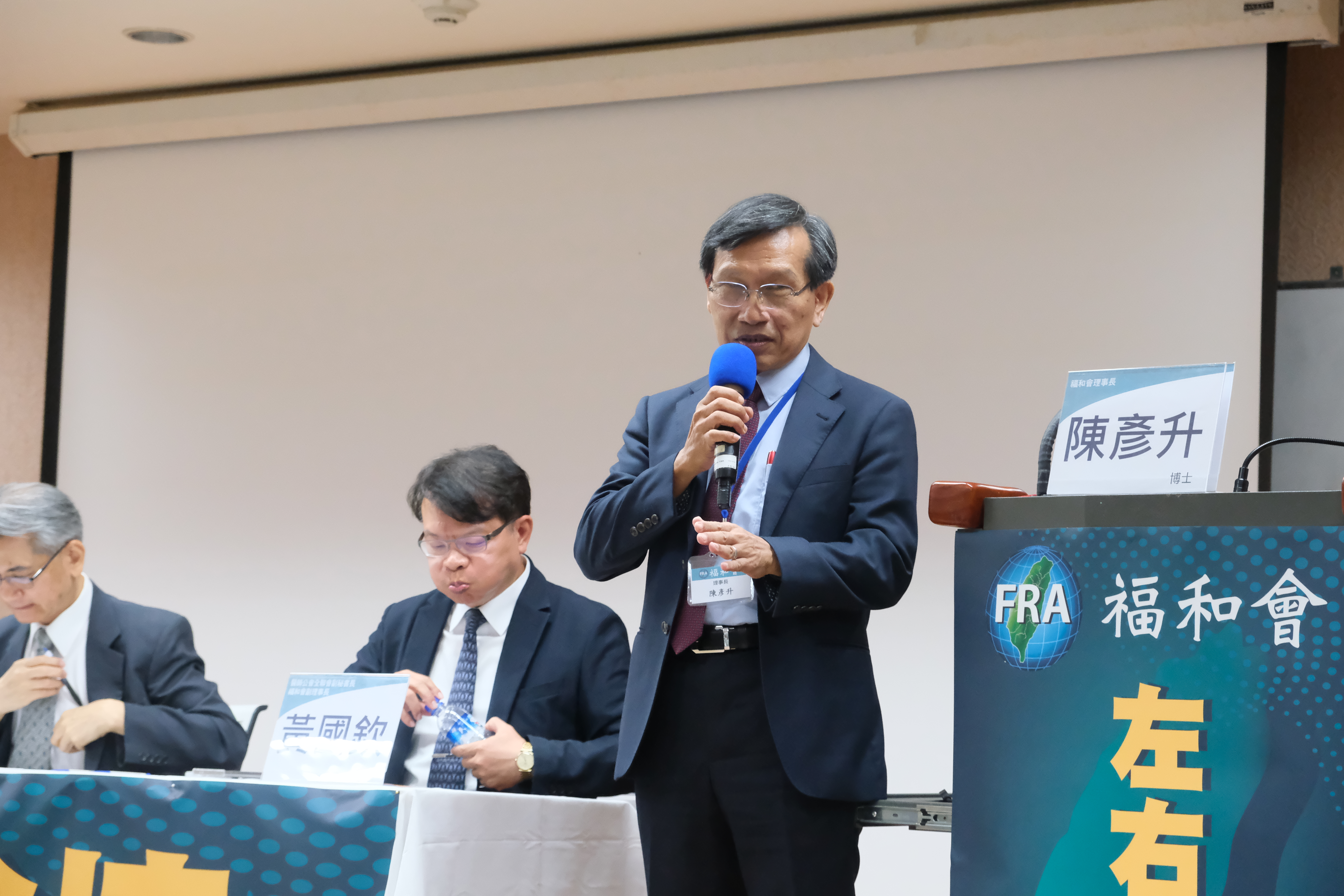
To close off the event, FRA Chair Jason Chen remarked that both energy and healthcare are vital issues of public concern and national security. Given limited time for discussion, the FRA hopes to host more forums in the future to deepen societal understanding of the intertwined issues of national resilience, public health, and security, and to foster broader, more informed public dialogue.
Second Left-Right Forum Second Left-Right Forum Second Left-Right Forum Second Left-Right Forum Second Left-Right Forum Second Left-Right Forum Second Left-Right Forum Second Left-Right Forum Second Left-Right Forum Second Left-Right Forum Second Left-Right Forum Second Left-Right Forum Second Left-Right Forum Second Left-Right Forum Second Left-Right Forum Second Left-Right Forum Second Left-Right Forum Second Left-Right Forum Second Left-Right Forum

FRA 2025 Civil Defense Forum

2025.9.27

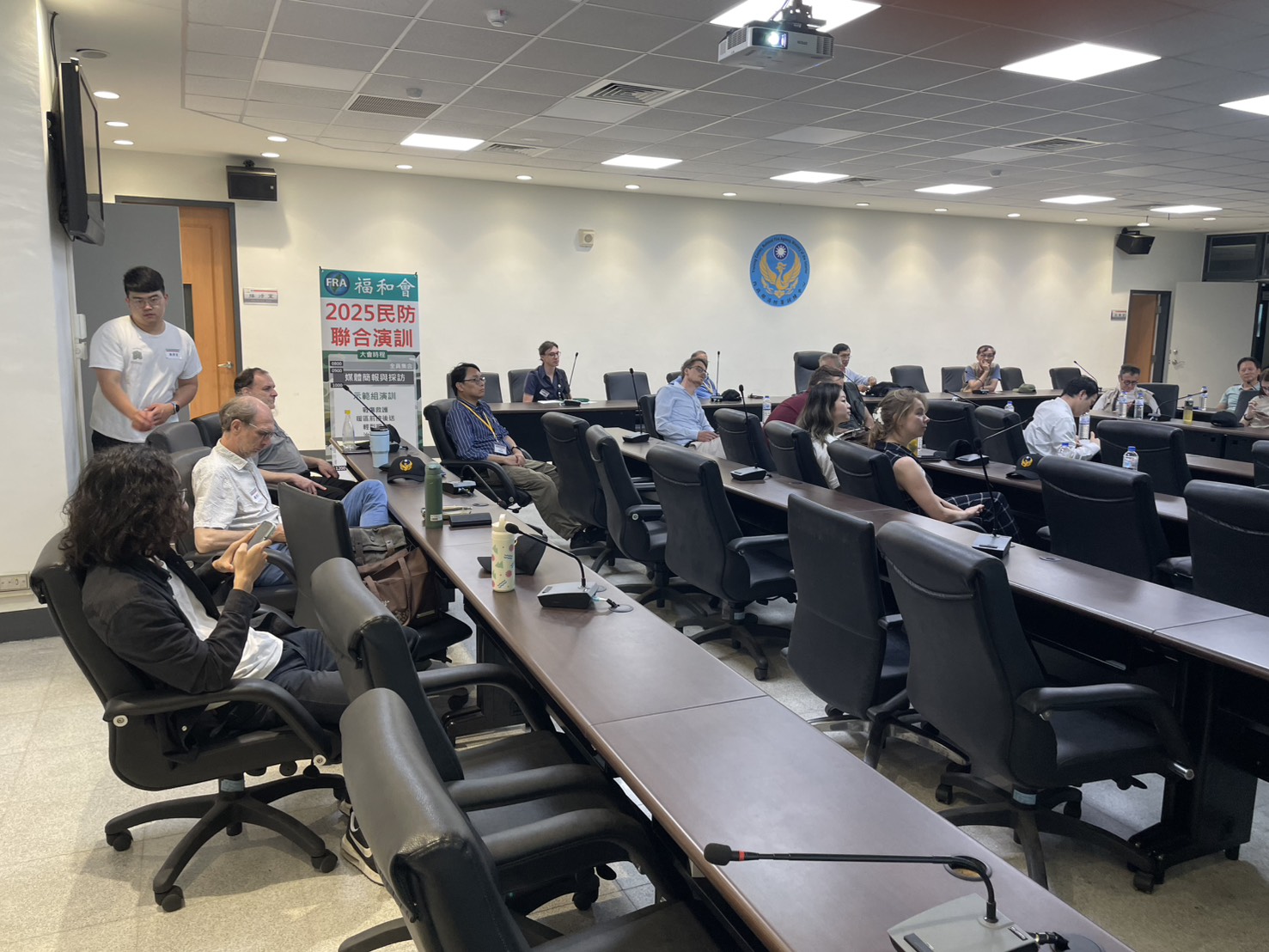
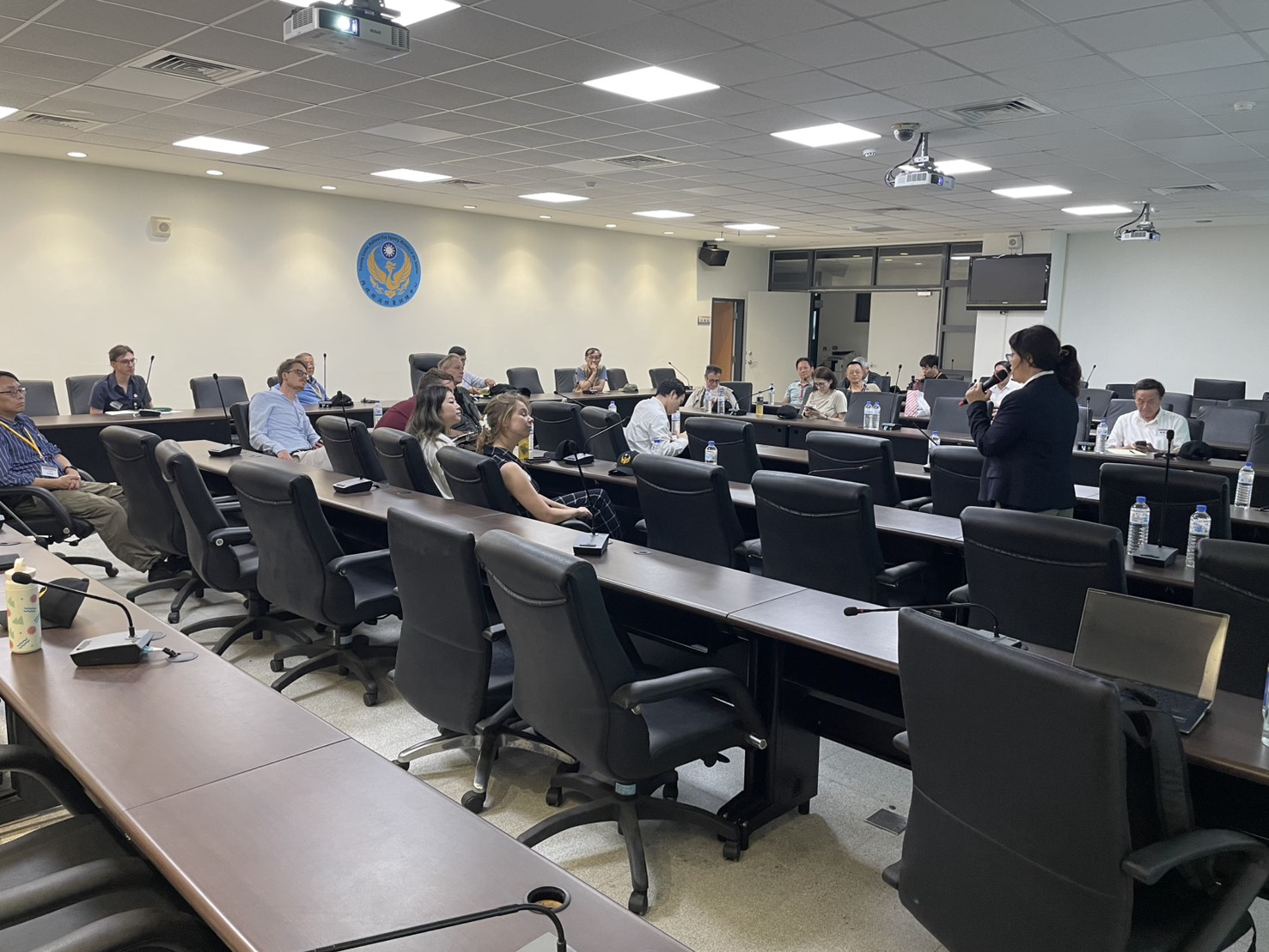
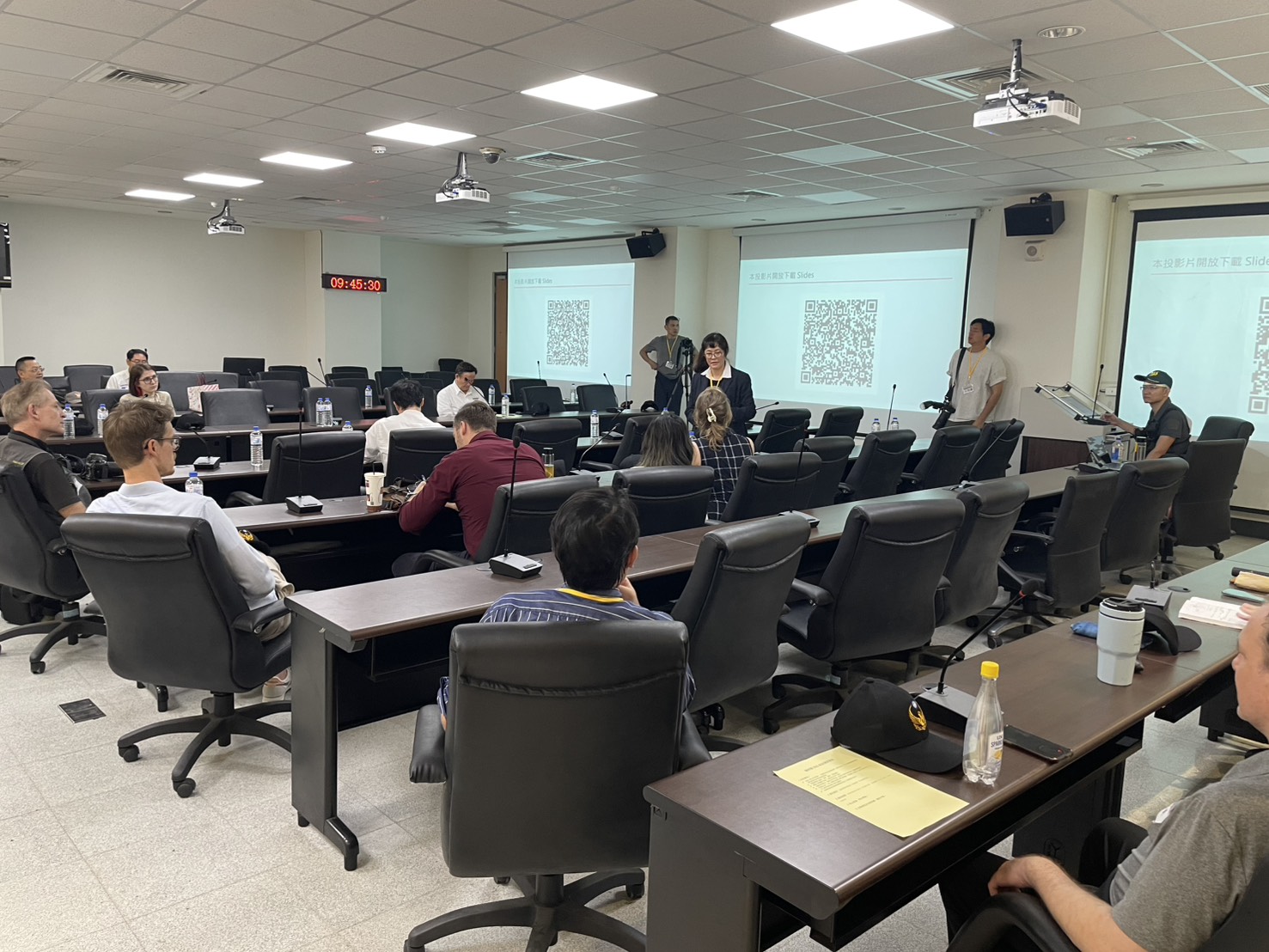
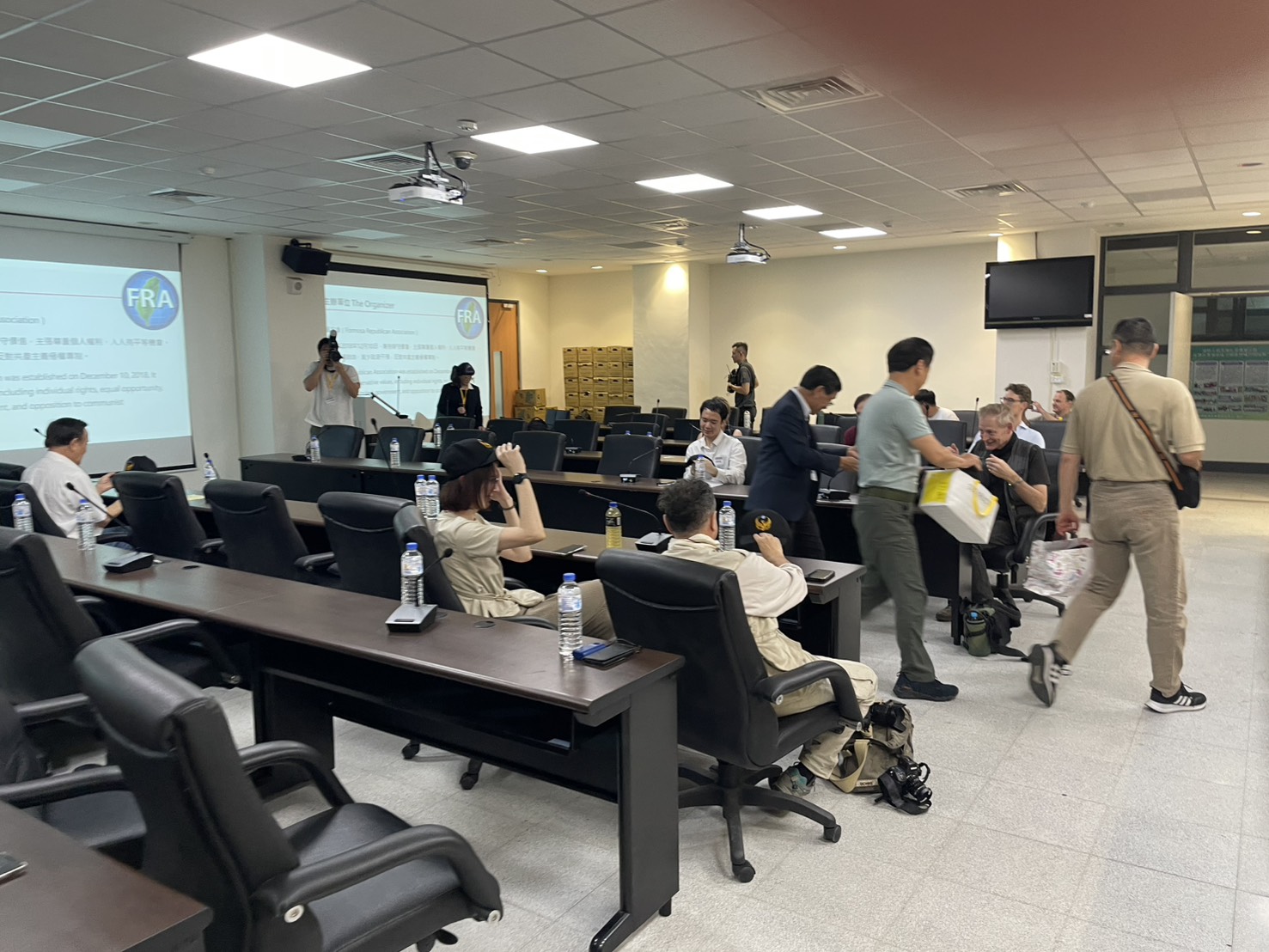
On September 27, the Civil Defense Forum—hosted by FRA and co‑organized by the Taiwan Liberty Society—was held in Taipei, drawing participation from more than 25 self‑training groups, disaster‑preparedness organizations, and the Taiwan Civil Groups Association from across the island. International think tanks also joined the event online. The forum was not merely a standalone gathering, but an important step in strengthening Taiwan’s societal resilience, demonstrating the shared determination of both government and civil society to confront risks posed by war and disasters. In the opening remarks, the host expressed gratitude for the support from all sectors and emphasized that the forum’s founding purpose was to bring together Taiwan’s diverse civic forces, enabling collective discussion and planning for potential wartime and disaster scenarios, and ultimately forming a blueprint for coordinated action.

The forum was structured around four major themes: ‘Taiwan Strait War Scenarios and County‑Level Contingency Planning,’ ‘Civil Defense Medical Response,’ ‘Shelter Management and Activation,’ and ‘Logistics Distribution, Communications, and Order Maintenance.’ Throughout the discussions, scholars and experts repeatedly emphasized that the key difference between war and natural disasters lies in the sustained impact of ‘saturation attacks,’ making it essential for drills to closely mirror real‑world conditions. They noted that the early phase of armed conflict is often characterized by information warfare and psychological operations, with missile or long‑range fire attacks emerging only in later stages. Therefore, Taiwan’s civil defense system must rehearse four core dimensions in advance—command structure, resource allocation, disaster‑zone rescue, and information interoperability—to prevent disorder during emergencies. Participants also highlighted that although the Disaster Prevention and Protection Act can be activated without a presidential emergency order, civil society must be prepared to establish a ‘self‑organized command structure’ should local governments become incapacitated. This perspective received broad agreement among the attending groups.

Representatives from various self‑training groups shared numerous practical challenges and response strategies. In the area of medical support, discussions extended from battlefield trauma care to common civilian illnesses and even chronic‑disease management, emphasizing that decentralized ‘resilient medicine’ will be essential in the future. Regarding communications, participants noted that military, police, fire departments, and civilian groups currently lack interoperability. Many agreed that civil organizations must independently develop radio or satellite communication protocols to ensure connectivity in the event of internet disruption. Another discussion highlighted that while civilian‑run shelters can supplement government capacity, they must maintain information alignment with official agencies, particularly in material supply and security management. The Taiwan Civil Groups Association further proposed three key areas for routine training: identification of friend and foe, grey‑man concealment skills, and cross‑group communication systems. Participants also called for the establishment of nationwide civil‑defense conduct guidelines—especially concerning order maintenance and gender equality—to prevent women from being excluded within formal civil‑defense structures. These recommendations reflect the strong expectations among civic organizations for institutional reform.

This forum not only brought together self‑training groups from across Taiwan, but—through the participation of government officials, scholars, experts, and international think tanks—also elevated the discussion to the level of institutional design, strategic planning, and global perspective. Participants unanimously agreed that when Taiwan faces the challenges of war or disaster, civic strength should not merely play a supporting role; rather, it should serve as a complementary pillar of resilience alongside the government. From medical response and communications to shelter management and order maintenance, every link underscored the importance of peacetime rehearsal. Only through continuous exchange and the building of operational familiarity can collaborative effectiveness be realized when crisis strikes. As the host remarked, ‘The international community has already seen that Taiwan has such a committed group of people—this is our determination to defend ourselves.’ Looking ahead, the Association will continue engaging with similar platforms to help Taiwan gradually build a civil‑defense system that is more resilient, cooperative, and sustainable.

FRA 2025 Civil Defense Forum FRA 2025 Civil Defense Forum FRA 2025 Civil Defense Forum FRA 2025 Civil Defense Forum FRA 2025 Civil Defense Forum FRA 2025 Civil Defense Forum FRA 2025 Civil Defense Forum FRA 2025 Civil Defense Forum FRA 2025 Civil Defense Forum FRA 2025 Civil Defense Forum FRA 2025 Civil Defense Forum FRA 2025 Civil Defense Forum FRA 2025 Civil Defense Forum

Commemorating Charlie Kirk in Ximending

2025.9.21

“Charlie Kirk, a prominent conservative political advocate in the United States, was recently assassinated by a terrorist—an act that shocked the international community. A memorial event was held in Ximending by the Taiwan Solidarity Union, with FRA serving as co‑organizer. Other participating groups included the Ximending Taiwan Independence Flag Team, Taiwan Nation, and the Taiwan Conservatism Society. Approximately three hundred people gathered at the site to express their condolences and pay tribute to Kirk.

TSU Chairwoman Chou Ni‑an stated that the United States places great importance on Kirk’s passing: not only did federal agencies lower their flags to half‑staff in mourning, but the Senate also passed a resolution designating Kirk’s birthday as a national day of commemoration—underscoring his status as a ‘national hero.’ Chou explained that the TSU chose to hold the memorial on the day of Kirk’s funeral as a way to carry forward his spirit.

TSU Secretary‑General Wang Ming‑yuan lamented that, in stark contrast to the high level of attention in the United States, the Taiwanese government and mainstream media have shown almost no response—something he found deeply regrettable. He stressed that Kirk devoted his life to the pursuit of truth and values, and even sacrificed himself for them, and therefore deserves far greater recognition.

Economist Wu Chia‑lung also delivered remarks at the memorial, noting that commemorating Kirk is not merely about honoring an individual, but about affirming the fundamental importance of freedom of speech and opposition to religious violence. He stated bluntly that Taiwan’s democratization contains structural deficiencies—while it has a liberal faction similar to the U.S. Democratic Party, it lacks a right‑leaning party comparable to the Republican Party. Taiwan, he argued, urgently needs a force willing to defend what is right and uphold essential values.

Lin Huan‑chun, daughter of former DPP Chairman Lin Yi‑hsiung, also attended the memorial. She noted that most people in Taiwan are unfamiliar with the significance of Kirk’s martyrdom, reflecting how local media have long been influenced by Chinese outlets or by far‑left international media, making it difficult for Taiwanese society to encounter diverse viewpoints. She urged the younger generation to bravely pursue political truth and to usher in their own ‘Turning Point.’

Chairwoman Chou Ni‑an concluded by noting that Turning Point USA, the organization founded by Kirk during his lifetime, successfully awakened a new generation of young Americans. Inspired by his spirit, the Taiwan Solidarity Union plans to bring together local right‑leaning advocates to establish ‘Turning Point Taiwan,’ injecting new political energy into Taiwanese society.

Commemorating Charlie Kirk in Ximending Commemorating Charlie Kirk in Ximending Commemorating Charlie Kirk in Ximending Commemorating Charlie Kirk in Ximending Commemorating Charlie Kirk in Ximending Commemorating Charlie Kirk in Ximending Commemorating Charlie Kirk in Ximending Commemorating Charlie Kirk in Ximending Commemorating Charlie Kirk in Ximending Commemorating Charlie Kirk in Ximending Commemorating Charlie Kirk in Ximending Commemorating Charlie Kirk in Ximending Commemorating Charlie Kirk in Ximending Commemorating Charlie Kirk in Ximending Commemorating Charlie Kirk in Ximending

FRA Hosts First “Left-Right Forum.”

2025.8.16

FRA’s first session of the Left–Right Grand Forum, focusing on how the Israel–Palestine conflict and the nationwide recall movement relate to Taiwan’s core interests.

Taiwan’s political landscape has long been divided along the lines of ‘unification versus independence’ or the traditional ‘blue–green’ split. Yet in most democratic countries, the primary framework for understanding public issues is the spectrum of ‘left and right.’ On the 16th, FRA held the first session of its Left–Right Grand Forum series, focusing on the ‘Israel–Palestine conflict’ and the ‘mass recall movement.’ The event brought together voices from religious communities, academia, political parties, and international‑relations commentators, guiding the public to examine what these developments reveal for Taiwan from multiple perspectives.

During the first half of the forum’s international affairs session, former Taiwan Solidarity Union chairman Liu Yi‑te served as the moderator. With left‑wing and right‑wing representatives speaking in alternating turns, the discussion explored “How Taiwan should view the Israel–Palestine issue from its own standpoint.

Pastor Huang Chun‑sheng stated that the Israel–Palestine conflict should not be simplified as a religious confrontation. Drawing on his own experiences in Jerusalem and Palestine, he emphasized that there are indeed communities and Christian groups in the region that long for peaceful coexistence. He pointed out that Israel’s internal political radicalization and settlement policies are major sources of the conflict, while Hamas’s attacks reflect the nature of extremism in undermining peace efforts. Pastor Huang reminded the audience that whether left‑wing or right‑wing, once a position becomes extreme and sacrifices human lives, it goes beyond political ideology. He urged that the Middle East situation should be understood from the standpoint of shared human values.

Professor Liu Yu‑shi emphasized that Taiwan should not approach the Israel–Palestine conflict through emotion or binary thinking, but instead make pragmatic judgments based on its own national interests. He noted that he himself had been left‑leaning as a student, but after receiving training in economics and recognizing the importance of safeguarding individual freedoms, he gradually came to accept right‑leaning values. He clarified recent public controversy, stressing that Taiwan’s Ministry of Foreign Affairs did not fund the Israeli military; rather, it provided humanitarian assistance to hospitals. Related rumors, he said, are examples of manipulated misinformation. Professor Liu further pointed out that Taiwan should learn from Israel’s technological development and defense strategies, and seek a balance between upholding universal values and protecting national interests.

Liu Pin‑chen, Deputy Secretary‑General of the New Power Party, stated that left‑wing perspectives focus on the conditions of individuals under oppressive structures, requiring opposition to state violence and racial segregation while supporting the dignity and survival of civilians. He argued that if Taiwan emphasizes the right to self‑determination, it should also pay attention to the self‑determination and dignity of other peoples living under oppression. Liu reminded the audience that with shifts in the international environment — including Donald Trump taking office — value‑based diplomacy has become more difficult to carry out. Taiwan’s foreign policy must therefore strike a balance between values and real‑world constraints: it must uphold principles while also guarding against external authoritarian actors using information warfare to divide society. He concluded by expressing hope that if Taiwan ever faces aggression, international support would come not only from strategic or industrial considerations, but also from a shared recognition of common humanity and universal values.

Zhao Jun‑shuo, the keynote speaker of the “U.S.–China–Taiwan War Room,” pointed out that the Israel–Palestine conflict must be understood within the broader context of great‑power competition in the Middle East and Iran’s strategic positioning. Iran, he explained, confronts the United States and its ally Israel through regional proxies and partners. He noted that solutions to these issues may not align with the right‑wing preference for gradual reform, but they can still be analyzed through a right‑leaning, issue‑focused framework. In his view, although Israel’s methods are harsh, Hamas has long exploited humanitarian crises for political gain and has not improved the lives of Palestinians. Zhao emphasized that Taiwan should actively learn from Israel’s strategies of “leveraging small advantages against larger powers” and “building national strength through technological advancement and military capability.” He argued that Israel should be regarded as a pragmatic partner and a model for cooperation and learning in both technology and security strategy.

The event also invited two foreign research fellows from Academia Sinica, Joshua Thomas Wenger and Paul Jobin, to serve as guest questioners. Dr. Jobin noted that he would not express his own views, but he was curious why the organizers chose the Israel–Palestine conflict as the theme. He reminded the audience that 147 UN member states recognize Palestinian sovereignty; if there is a “direction of history,” he hopes Taiwan will not misread it and make the wrong choice, which could amount to a kind of moral self‑destruction. Dr. Wenger argued that Taiwan should exercise caution in its pragmatic diplomacy, warning that taking sides in the Israel–Palestine conflict could harm Taiwan’s interests. Fuhe Association Chairman Chen Yen‑sheng explained that the Israel–Palestine issue is a global topic deeply connected to left‑right ideological debates. Because Taiwan lacks sufficient discussion of international strategic thinking framed through such ideological lenses, the organizers hoped to use this issue as an entry point for exploring left‑right perspectives.

The second half of the Left–Right Forum focused on the theme “Why the Recall Movement Represents the Realization of Taiwan’s Democracy.” Left‑wing and right‑wing representatives were again invited to share their views. Although the four speakers held differing political positions, they all emphasized that this grassroots civic force symbolizes the steadfast resolve demonstrated by Taiwanese society in the face of authoritarian threats.

Pastor Huang Chun‑sheng remarked that the recall movement represents a “stumbling yet correct path toward democracy.” He argued that democracy, freedom, and human rights are values of the “Kingdom of God,” and that Taiwan must rely on an electoral revolution to resist authoritarianism and pro‑China forces. Although recall efforts may not succeed every time, the civic energy they generate has already transformed into political participation, oversight initiatives, and civil society organizations across the island. This momentum, he said, will continue to serve as an important driving force for Taiwan’s democratic development.

Professor Liu Yu‑shi stated that the recall movement is, in essence, a form of “anti‑communist resistance within the constitutional system,” using the recall power granted by the Constitution to counter China’s infiltration and aggression. She emphasized that the 1.3 million votes cast in the July 26 recall campaign have formed a “new anti‑communist community,” far surpassing the 3% threshold that international studies identify as necessary for effective resistance against invasion. She noted that many recall groups are now transforming into civil defense teams, complementing existing self‑training groups and embodying the spirit of “saving our own country with our own hands.

Deputy Secretary‑General Liu Pin‑chen argued that the recall movement is a form of grassroots, direct democratic practice. From the Bluebird Movement to the controversy over “recklessly slashing budgets,” the recall wave has combined concerns about anti‑authoritarianism and social justice, reflecting the left‑wing emphasis on protecting the vulnerable, safeguarding land, and advancing welfare policies. He called for channeling the energy of the recall movement into fostering “healthy competition among local political parties,” allowing the long‑standing unification–independence divide to gradually recede so that Taiwan’s democracy can focus more fully on domestic and social issues.

Commentator Zhao Jun‑shuo approached the issue from the perspective of international politics, arguing that Taiwan stands on “the strategic front line of a Cold War that has not yet ended.” He stressed that the failure of the recall movement does not signify defeat; rather, it sends a strong signal to China that the Taiwanese people possess firm civic resolve. He emphasized that Sun Yat‑sen’s institutional design — election, recall, initiative, and referendum — has provided Taiwan with democratic tools for self‑preservation. Although the August 23 recall may not have been able to overturn the political situation, it demonstrated that more than one million citizens were willing to mobilize independently and take to the streets without party affiliation. This, he argued, constitutes a crucial force for Taiwan in confronting authoritarian threats.

The Fuhe Association’s Left–Right Forum received an enthusiastic response, and the series will continue moving forward. The next session is scheduled for Saturday, October 18, and will focus on major domestic issues such as national health insurance and energy policy. By applying both left‑wing and right‑wing analytical frameworks, the forum aims to offer Taiwanese society a public discussion perspective distinct from the traditional Blue–Green divide.

Livestream Link – First Session

Livestream Link – Second Session

FRA Hosts First Left-Right Forum. FRA Hosts First Left-Right Forum. FRA Hosts First Left-Right Forum. FRA Hosts First Left-Right Forum. FRA Hosts First Left-Right Forum. FRA Hosts First Left-Right Forum. FRA Hosts First Left-Right Forum. FRA Hosts First Left-Right Forum. FRA Hosts First Left-Right Forum. FRA Hosts First Left-Right Forum. FRA Hosts First Left-Right Forum. FRA Hosts First Left-Right Forum. FRA Hosts First Left-Right Forum. FRA Hosts First Left-Right Forum. FRA Hosts First Left-Right Forum. FRA Hosts First Left-Right Forum. FRA Hosts First Left-Right Forum. FRA Hosts First Left-Right Forum. FRA Hosts First Left-Right Forum. FRA Hosts First Left-Right Forum. FRA Hosts First Left-Right Forum. FRA Hosts First Left-Right Forum. FRA Hosts First Left-Right Forum. FRA Hosts First Left-Right Forum. FRA Hosts First Left-Right Forum. FRA Hosts First Left-Right Forum. FRA Hosts First Left-Right Forum. FRA Hosts First Left-Right Forum. FRA Hosts First Left-Right Forum. FRA Hosts First Left-Right Forum. FRA Hosts First Left-Right Forum. FRA Hosts First Left-Right Forum. FRA Hosts First Left-Right Forum. FRA Hosts First Left-Right Forum. FRA Hosts First Left-Right Forum.

FRA aerospace industry visit

2025.8.7

FRA conducted an aerospace industry visit, beginning with a stop at TiSPACE, Taiwan’s leading private space‑technology company headed by Chairman Dr. Jason Chen. The delegation received a briefing on the development of space technologies and the history of rocket engineering, and toured the company’s carbon‑fiber rocket body, solid‑fuel propulsion system, as well as its manufacturing line and completed test products.

The delegation then visited the metal 3D‑printing additive‑manufacturing production line used for rocket components. The facility features 3D printers that Taiwan has independently improved, enabling larger printing volumes, more automated manufacturing processes, and automatic recycling of residual metal powder. A large‑scale mass‑production line has also been established. Metal 3D printing allows the creation of complex three‑dimensional structures that are difficult or impossible to produce through conventional manufacturing methods—such as casting, forging, rolling, extrusion, drawing, bending, pressing, turning, milling, drilling—or even CNC machining. These structures can be completed in a single build without requiring complicated, separate fabrication and assembly procedures, and different materials can be printed sequentially in one continuous growth process. The site displayed a wide variety of finished products, demonstrating applications such as specialized heat sinks, components made from unique materials, and other advanced designs.

The delegation then visited a reconnaissance‑and‑communications drone project that has already received commercial orders. The drone features multiple rotors arranged for both vertical and horizontal operation, allowing it to take off and land vertically while still achieving strong horizontal flight performance. Future development will continue to focus on improving the efficiency of its electric propeller motors.

In the afternoon, the delegation visited AIDC (Aerospace Industrial Development Corporation). After receiving a briefing, they toured AIDC’s production lines, where many major components for globally renowned aircraft are manufactured under contract. The visit then continued to the domestically produced Brave Eagle advanced jet trainer. Although designed as a training aircraft, the Brave Eagle can be equipped with live munitions and perform combat missions in wartime.

The final stop was a visit to Xiang‑Yuan Cultural & Tourism Residence, a boutique lodging and dining space converted from the American‑style premium housing that once accommodated the foreign consultants invited to assist in developing the Indigenous Defense Fighter (IDF). Its aviation‑themed café features interior design built entirely around aerospace elements, creating a distinctive and playful atmosphere.

This visit deepened members’ understanding of Taiwan’s aerospace and defense‑technology development and heightened their awareness of its strategic importance.

__________ __________ __________ __________ __________ __________ __________ __________ __________ __________ __________ __________ __________ __________ __________ __________ __________ __________ __________ __________ __________ __________ __________ __________

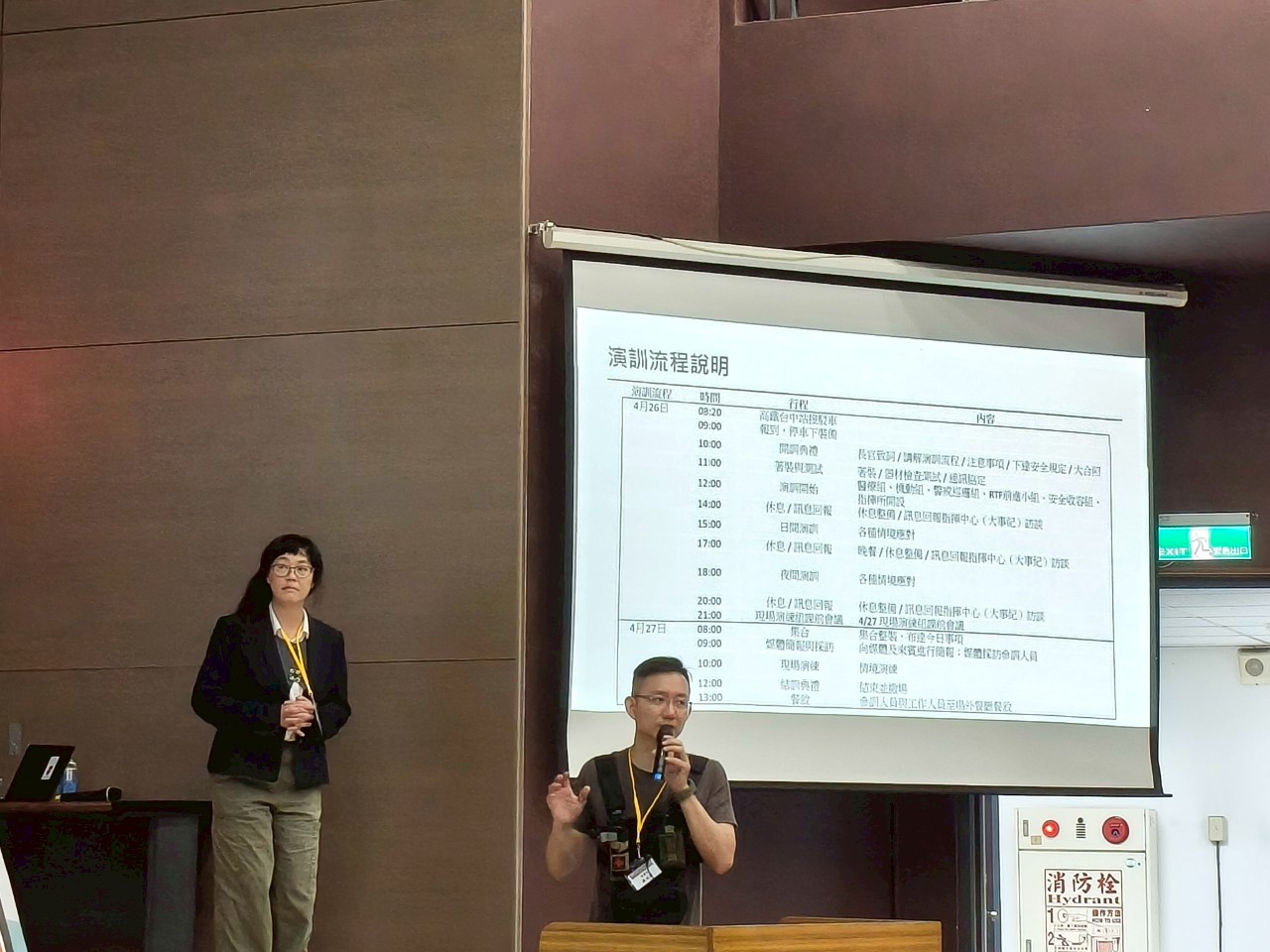
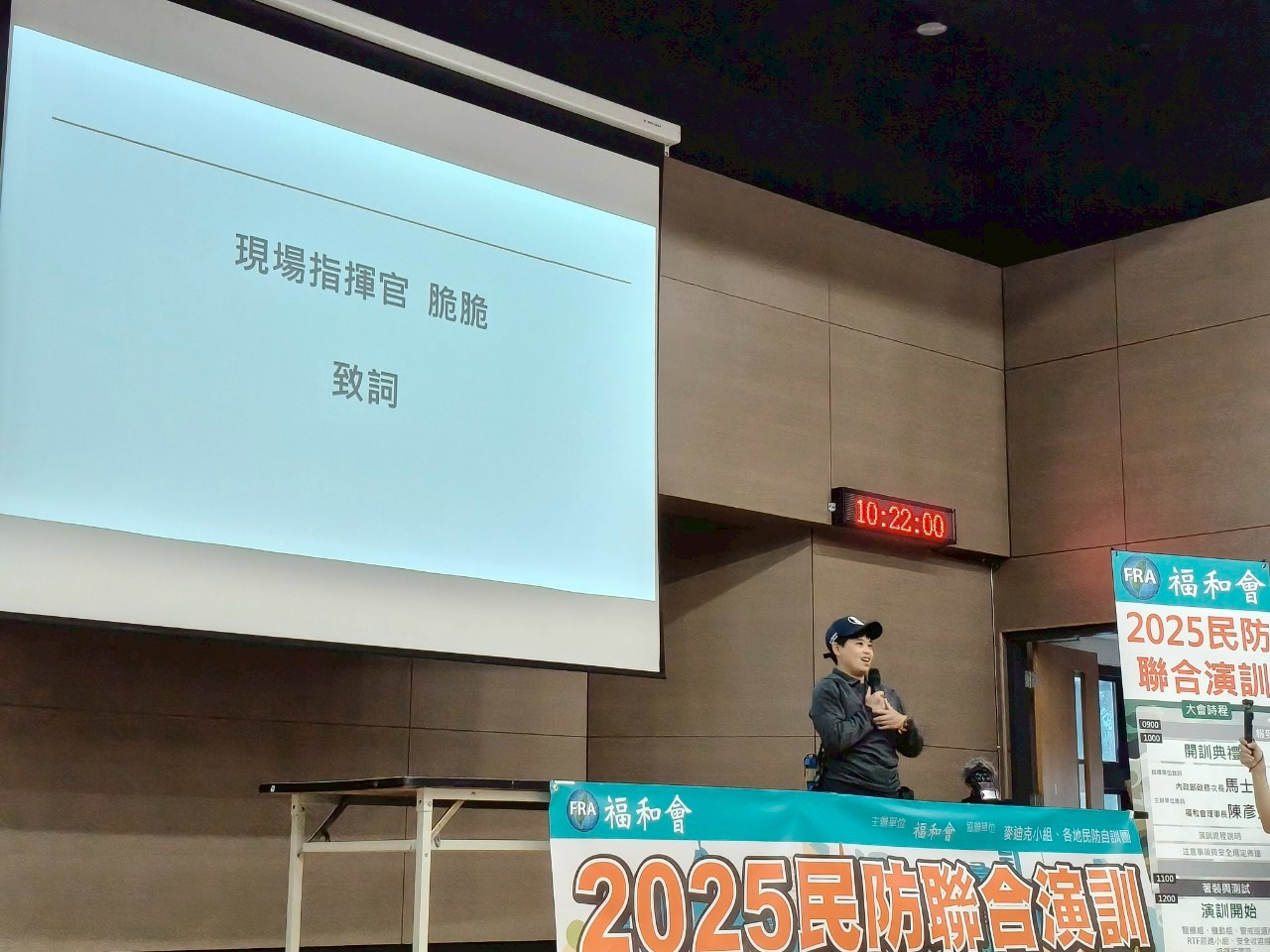
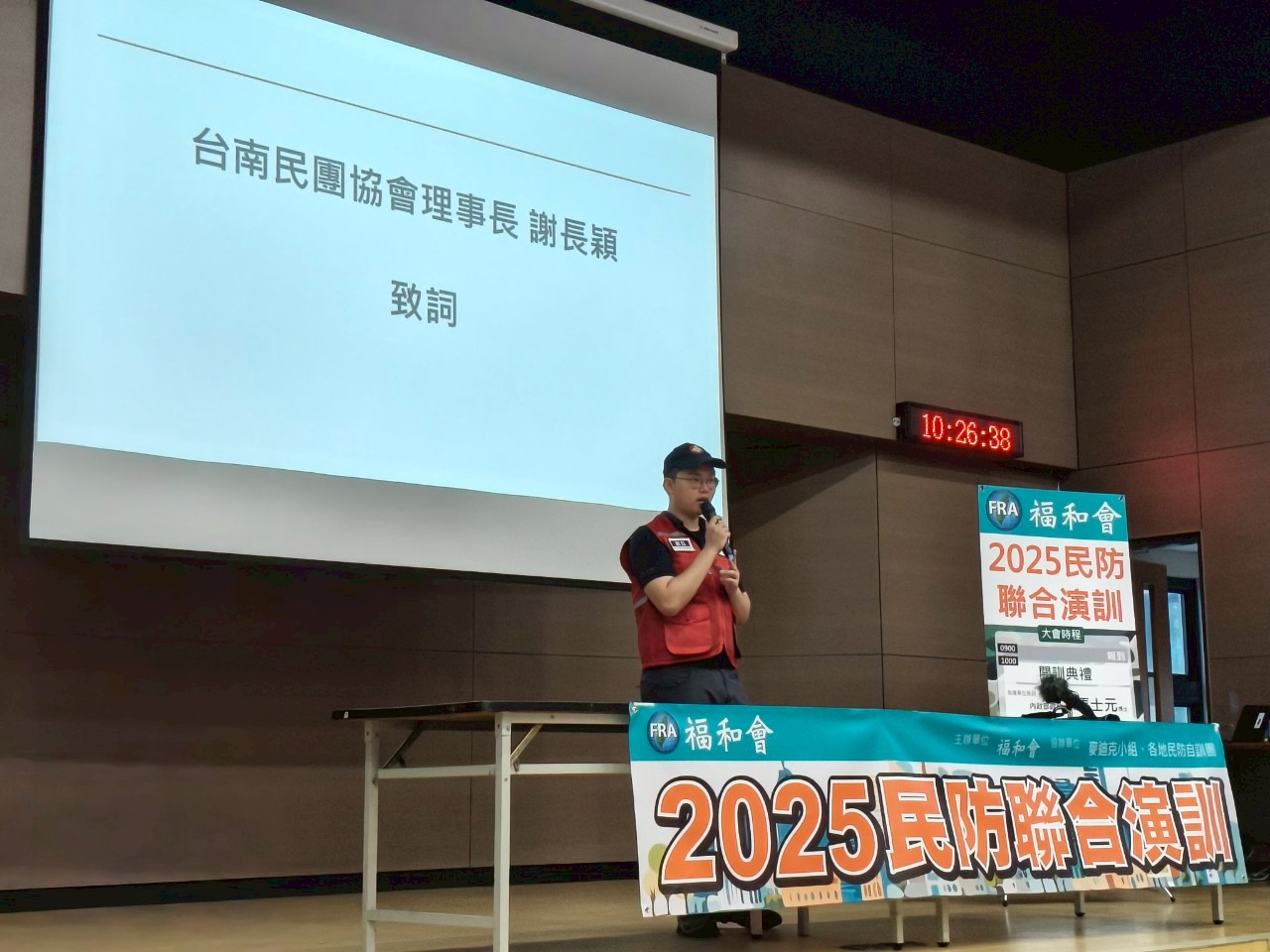
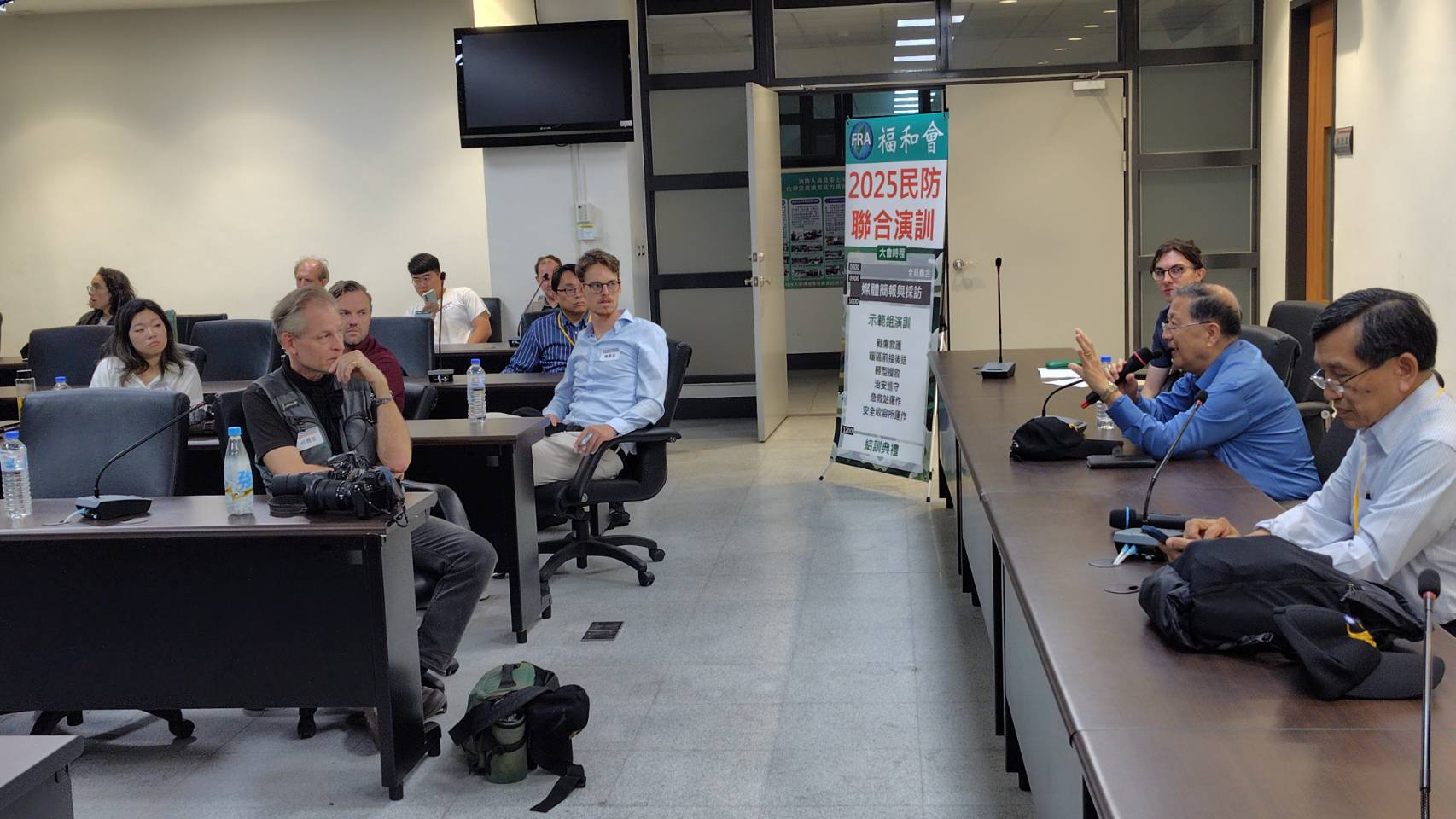
FRA 2025 Civil Defense Joint Exercise

2025.4.26-27

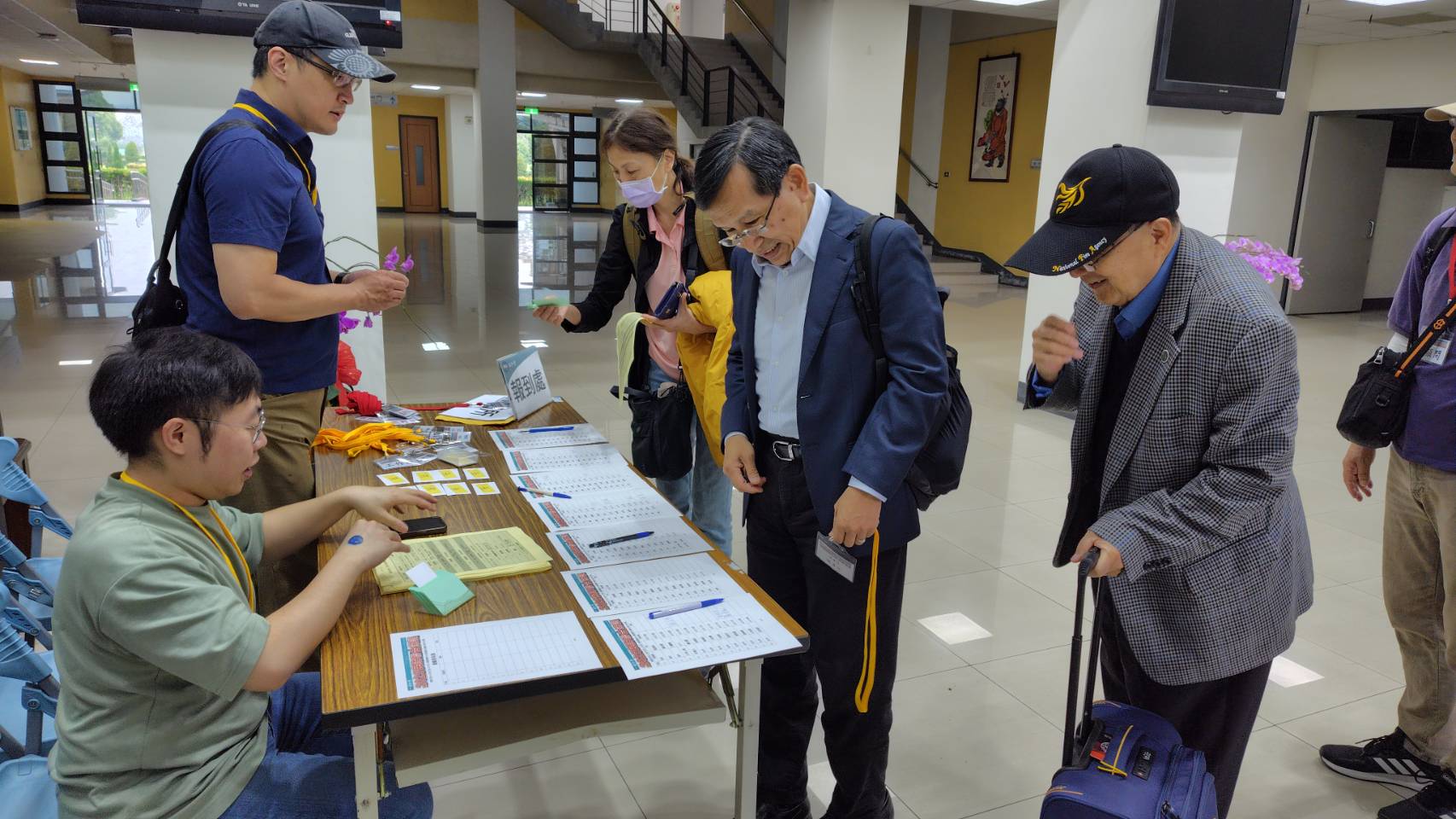
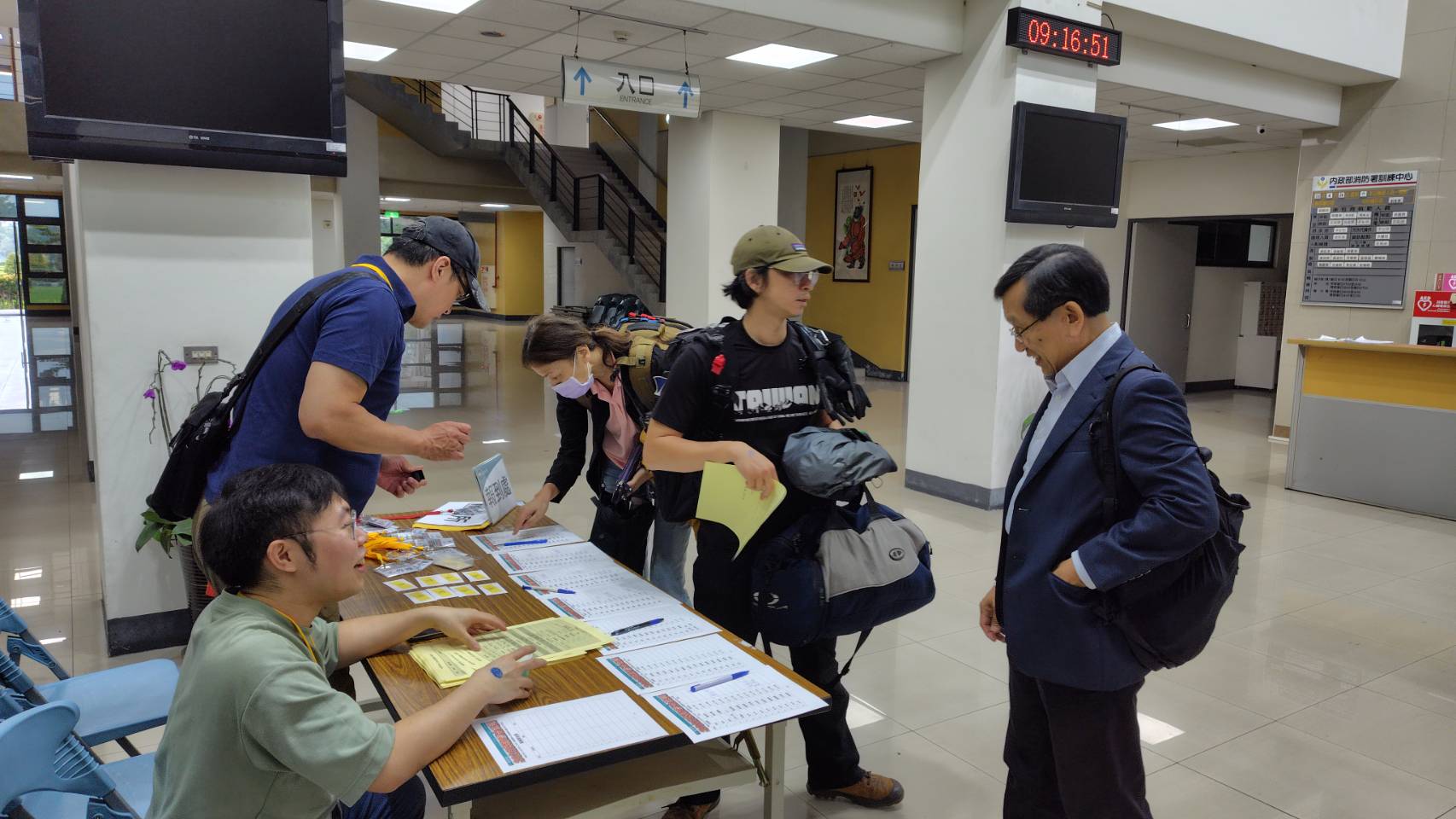
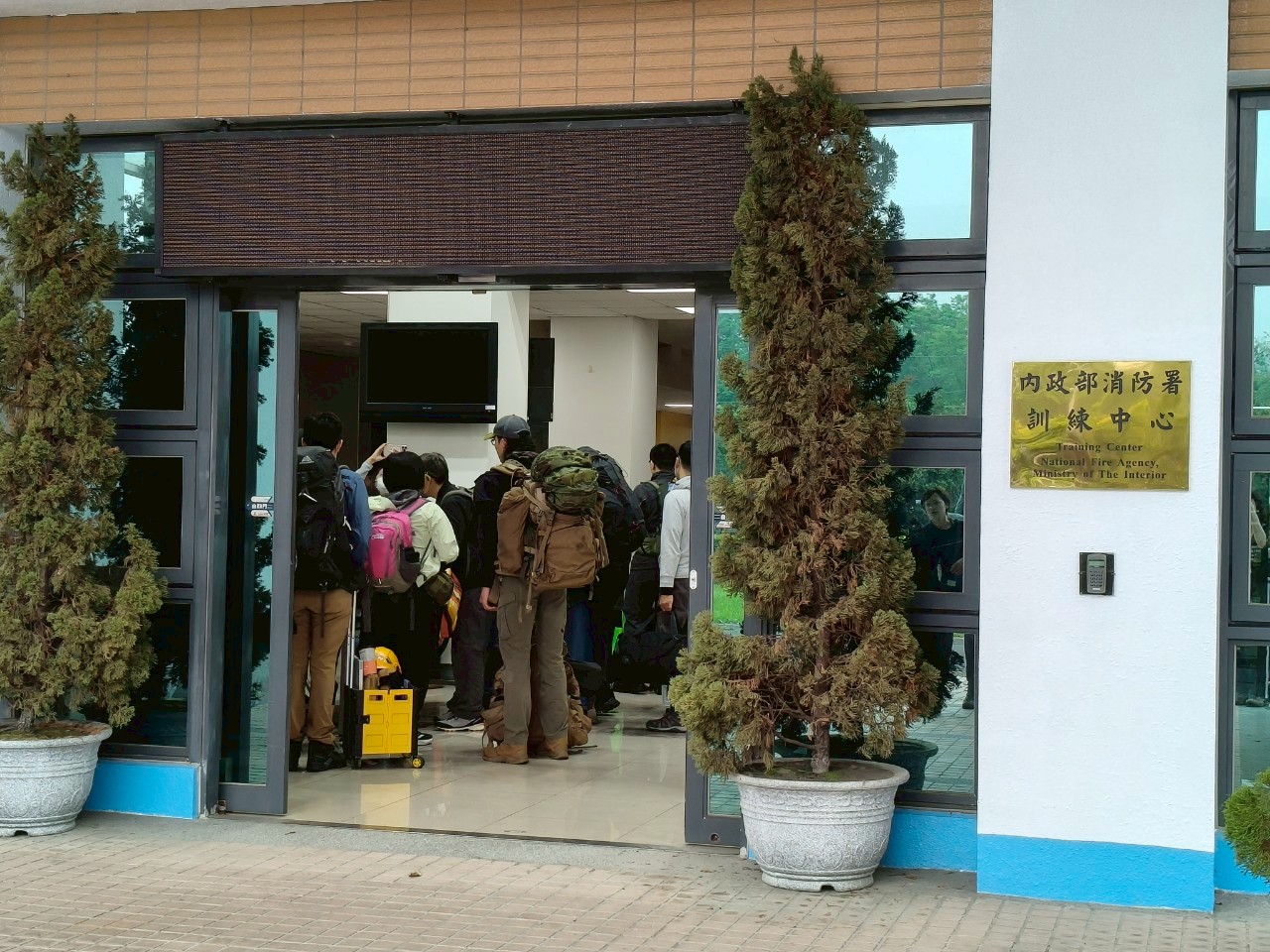
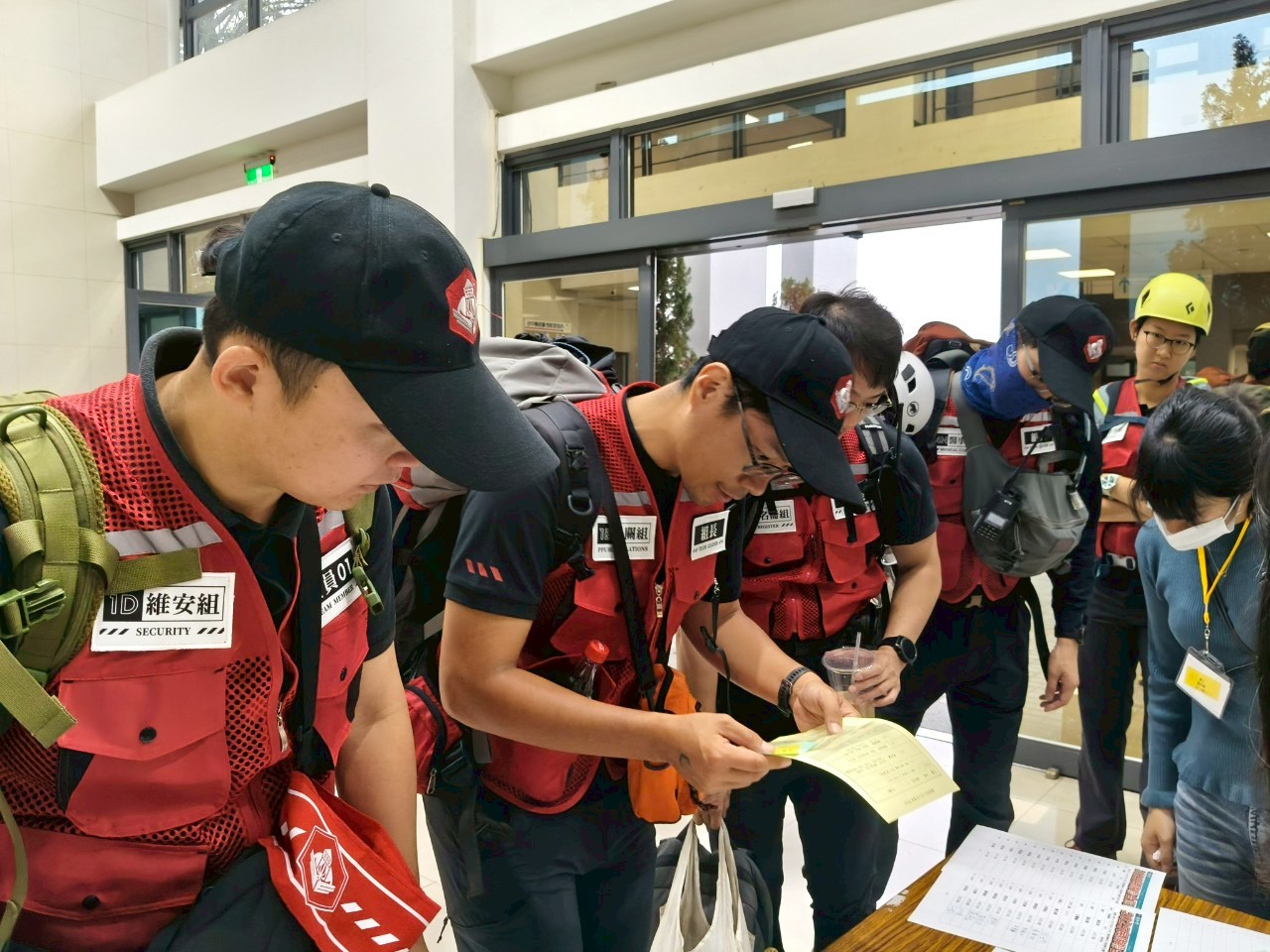
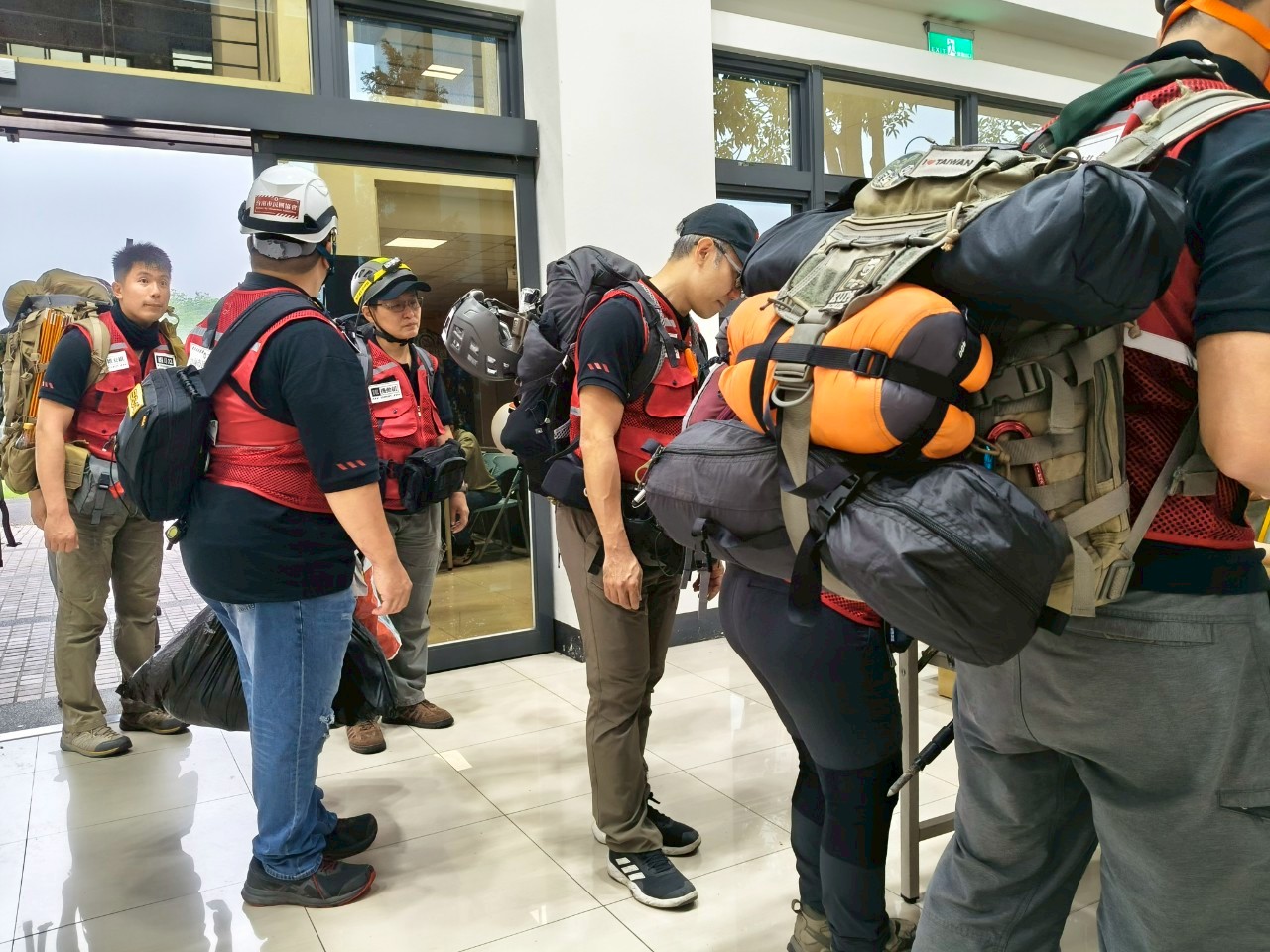
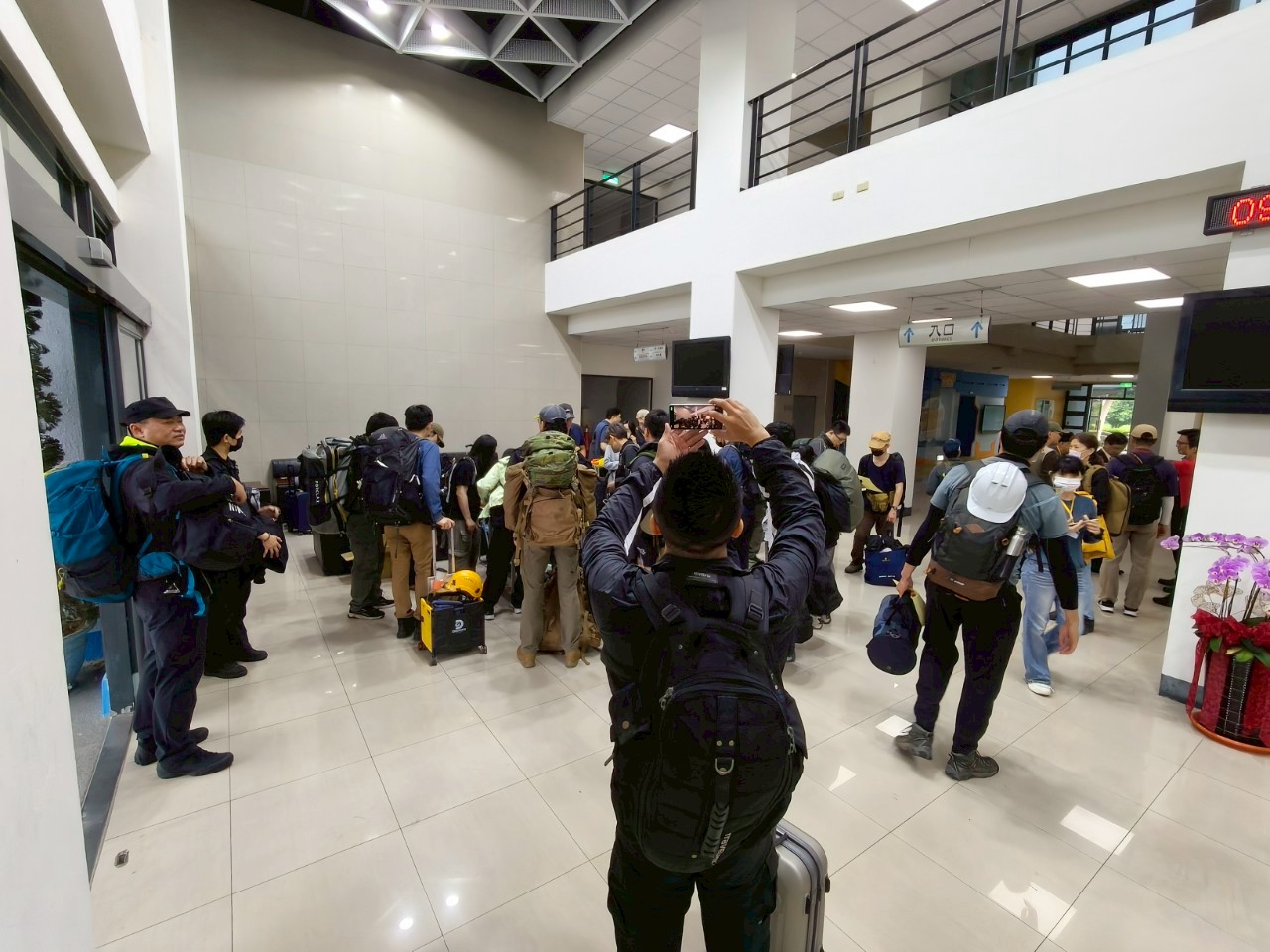
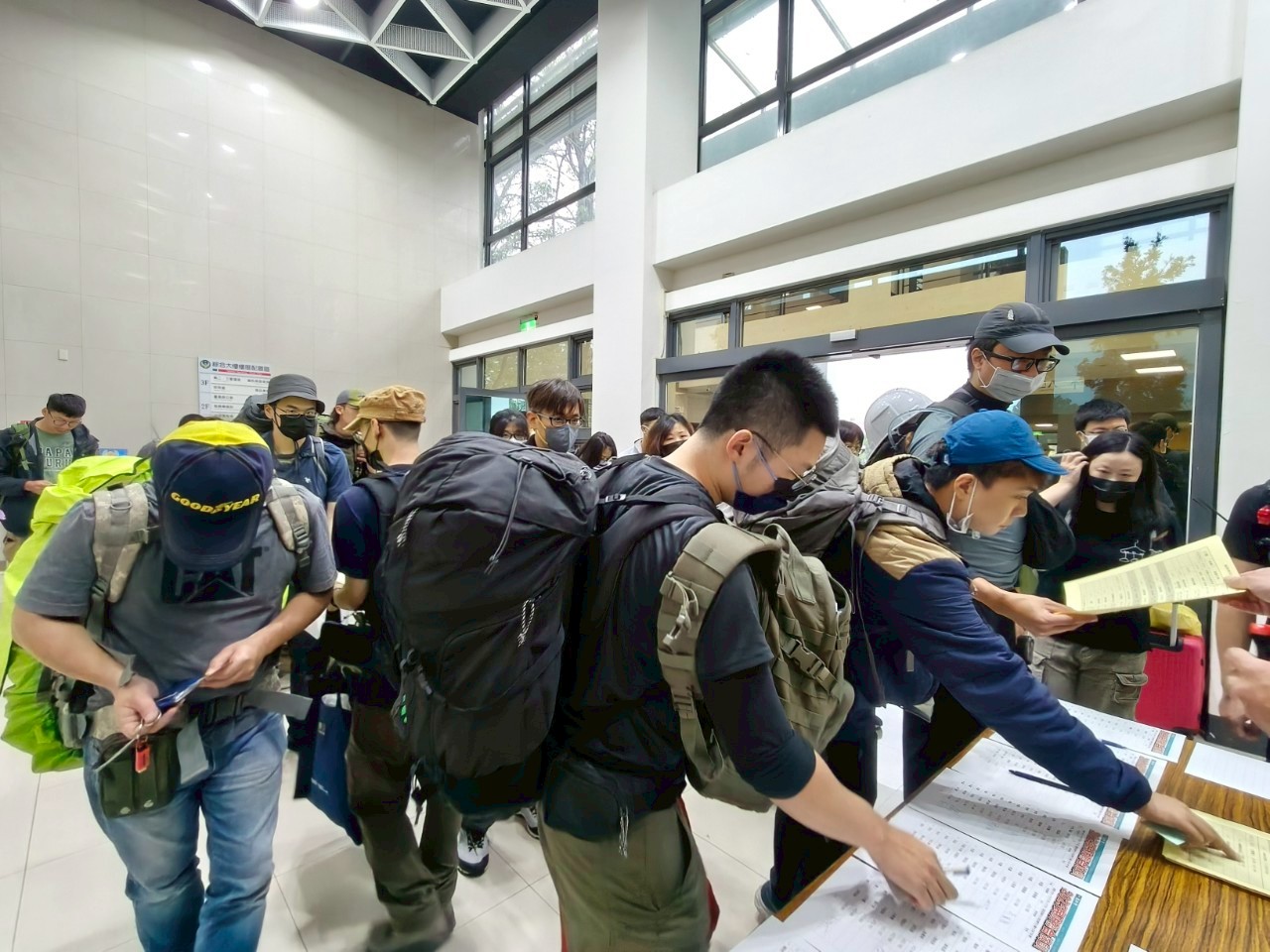
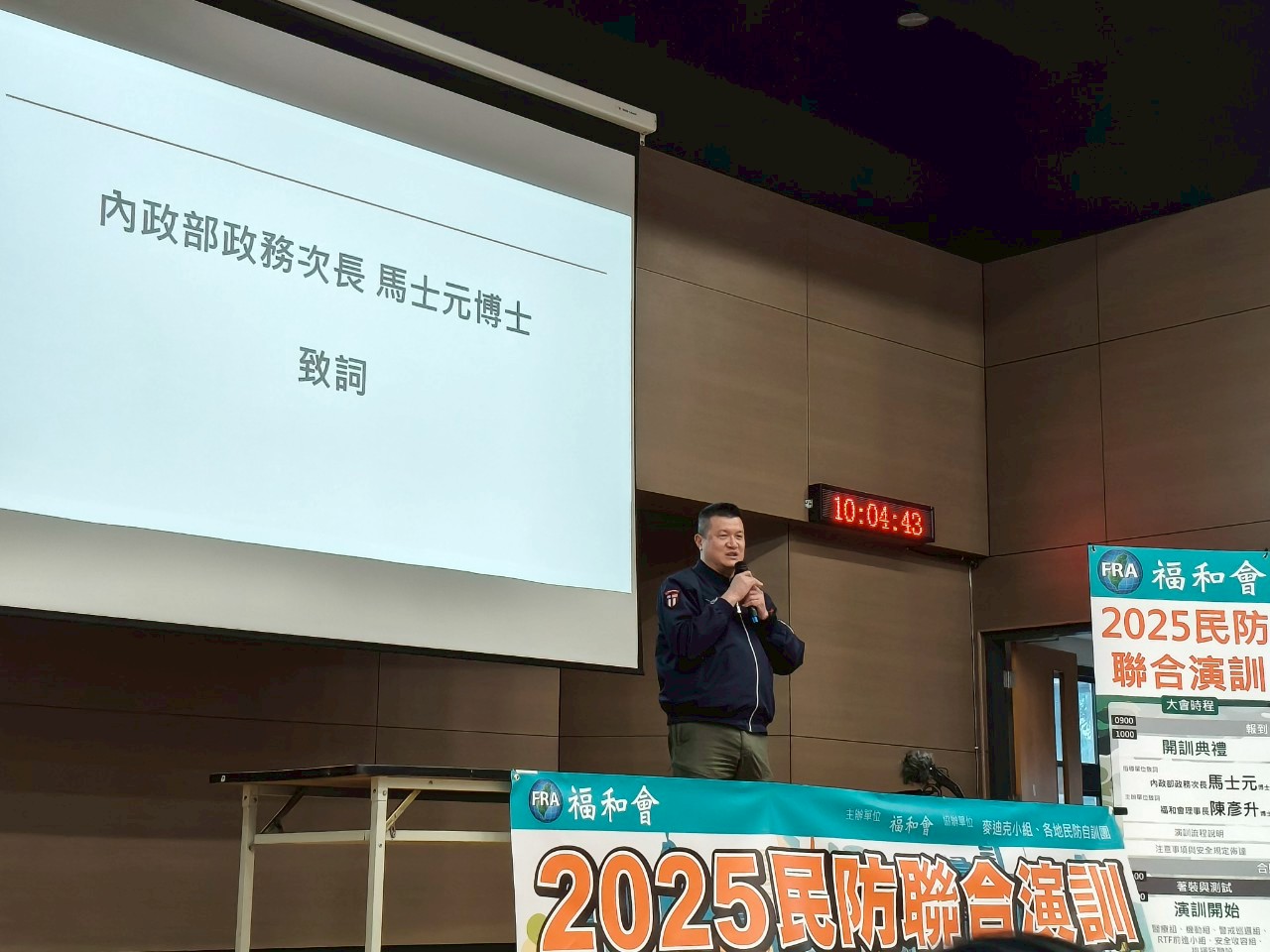
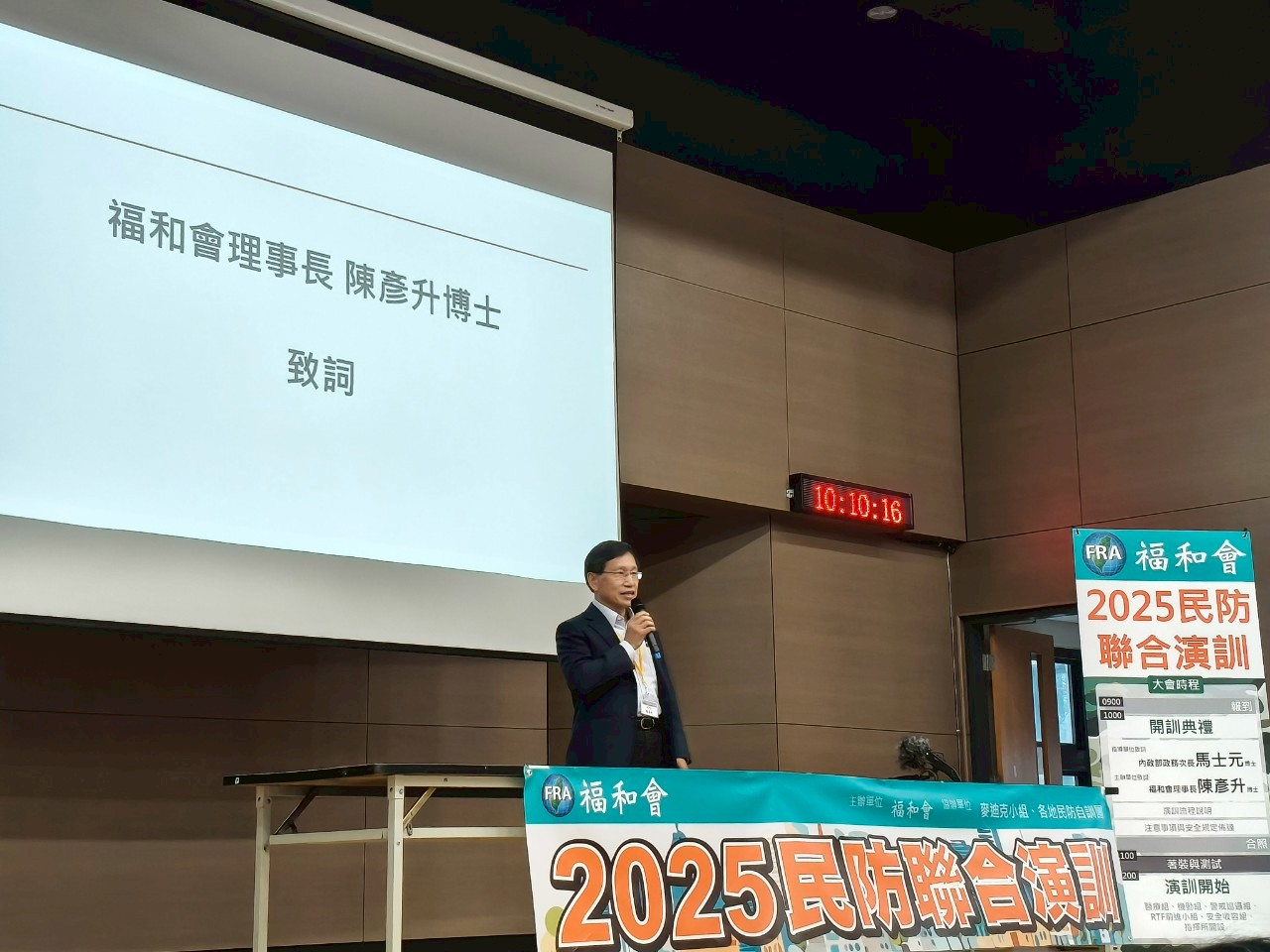
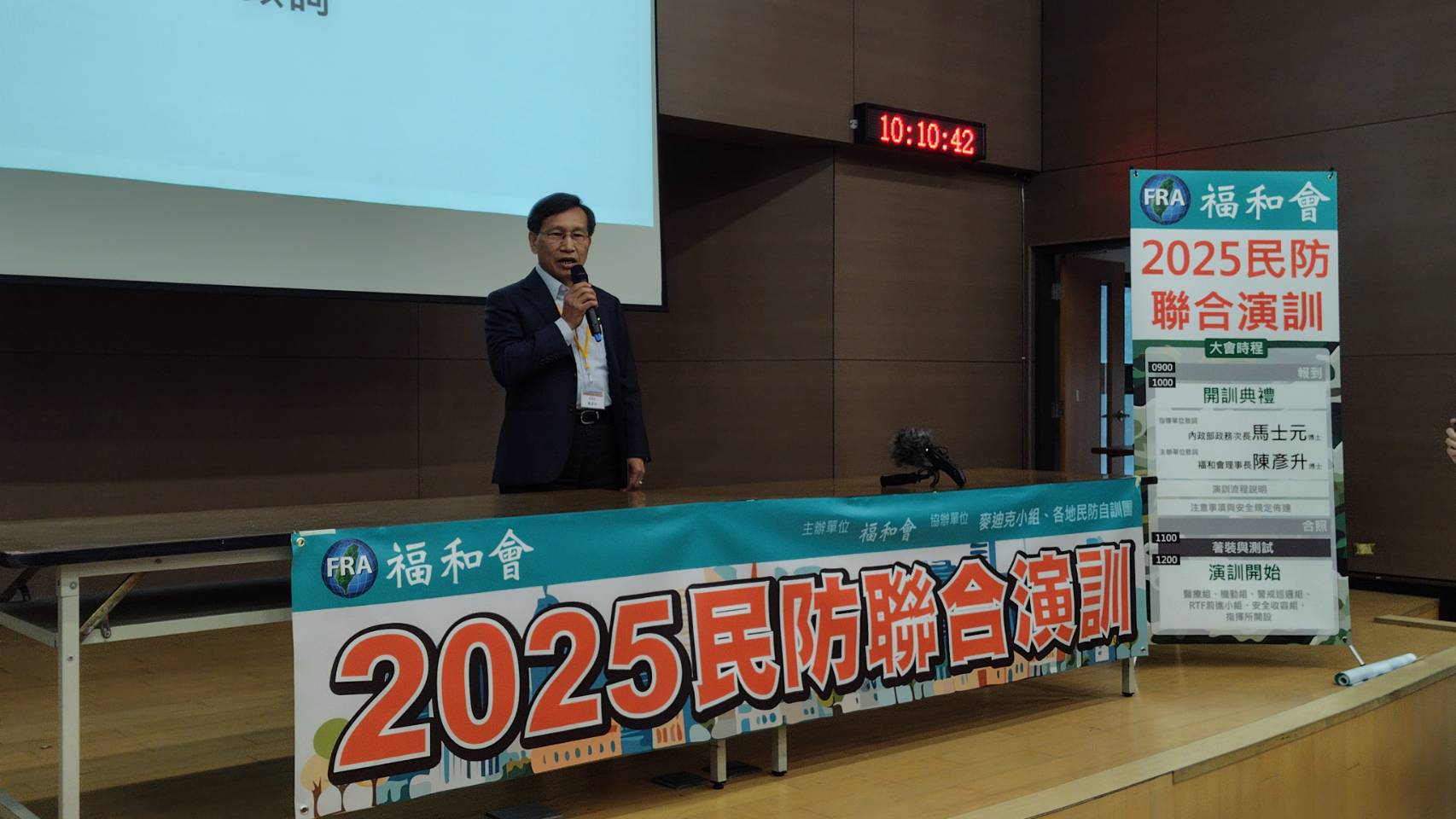
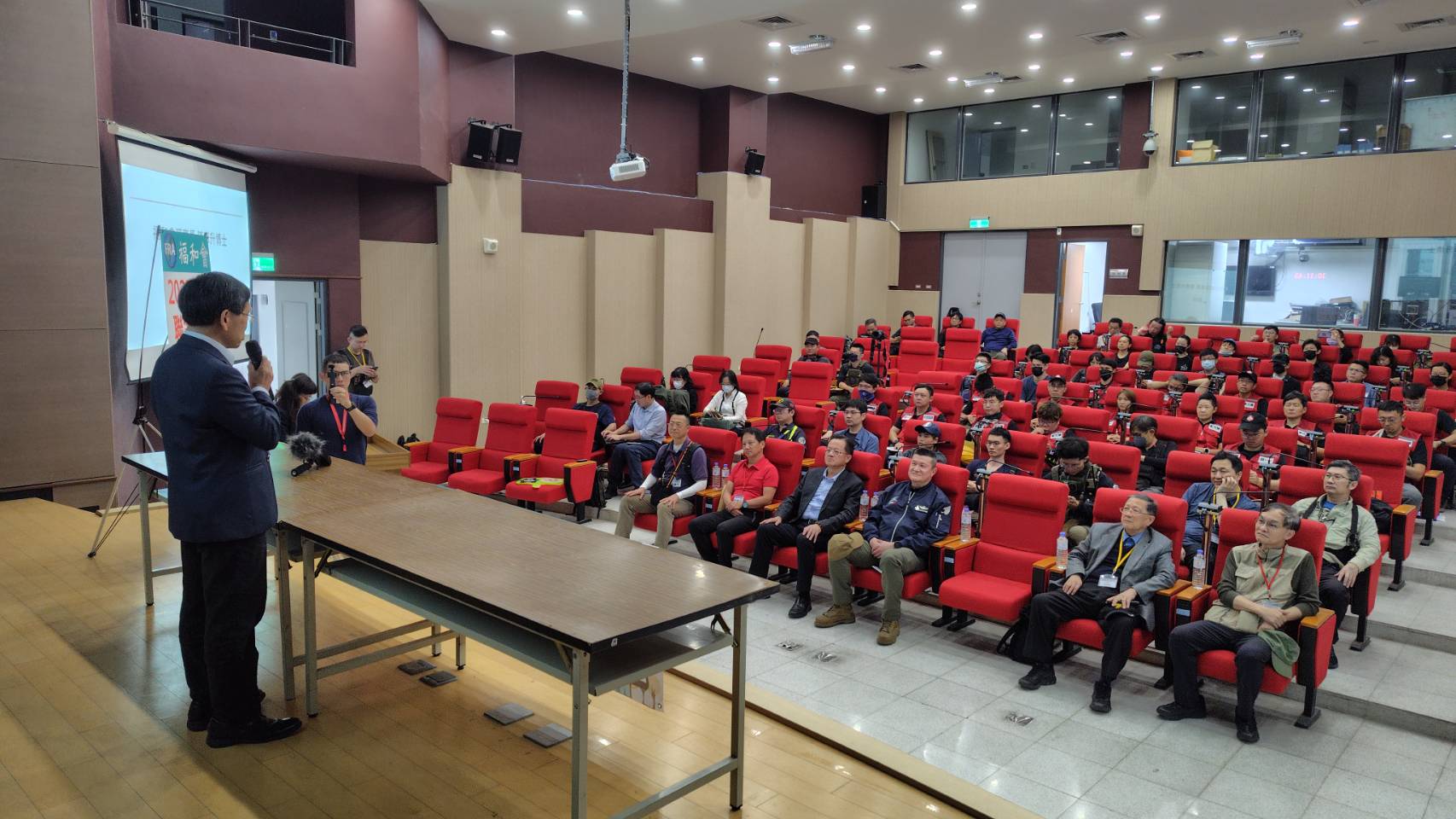
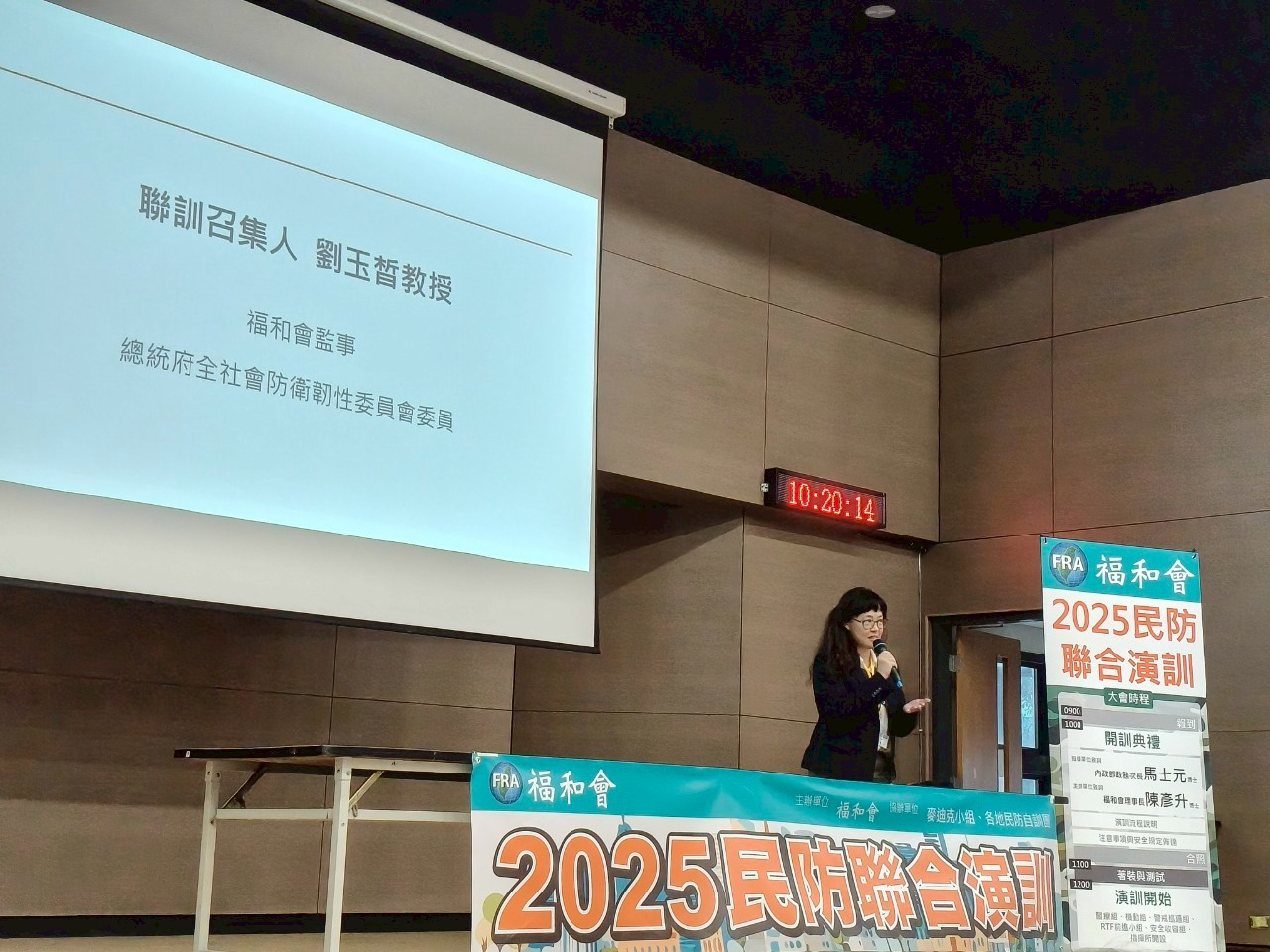
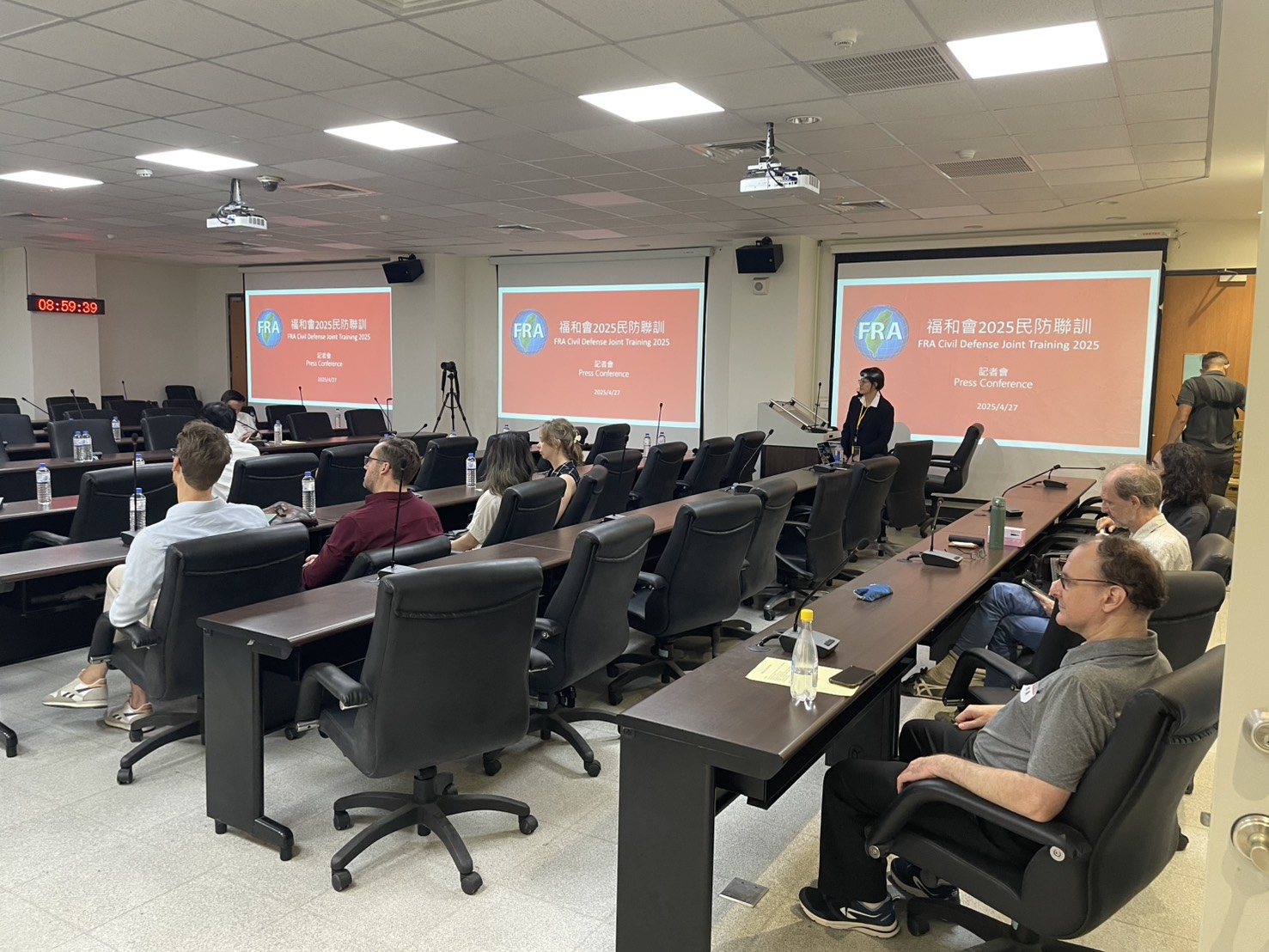
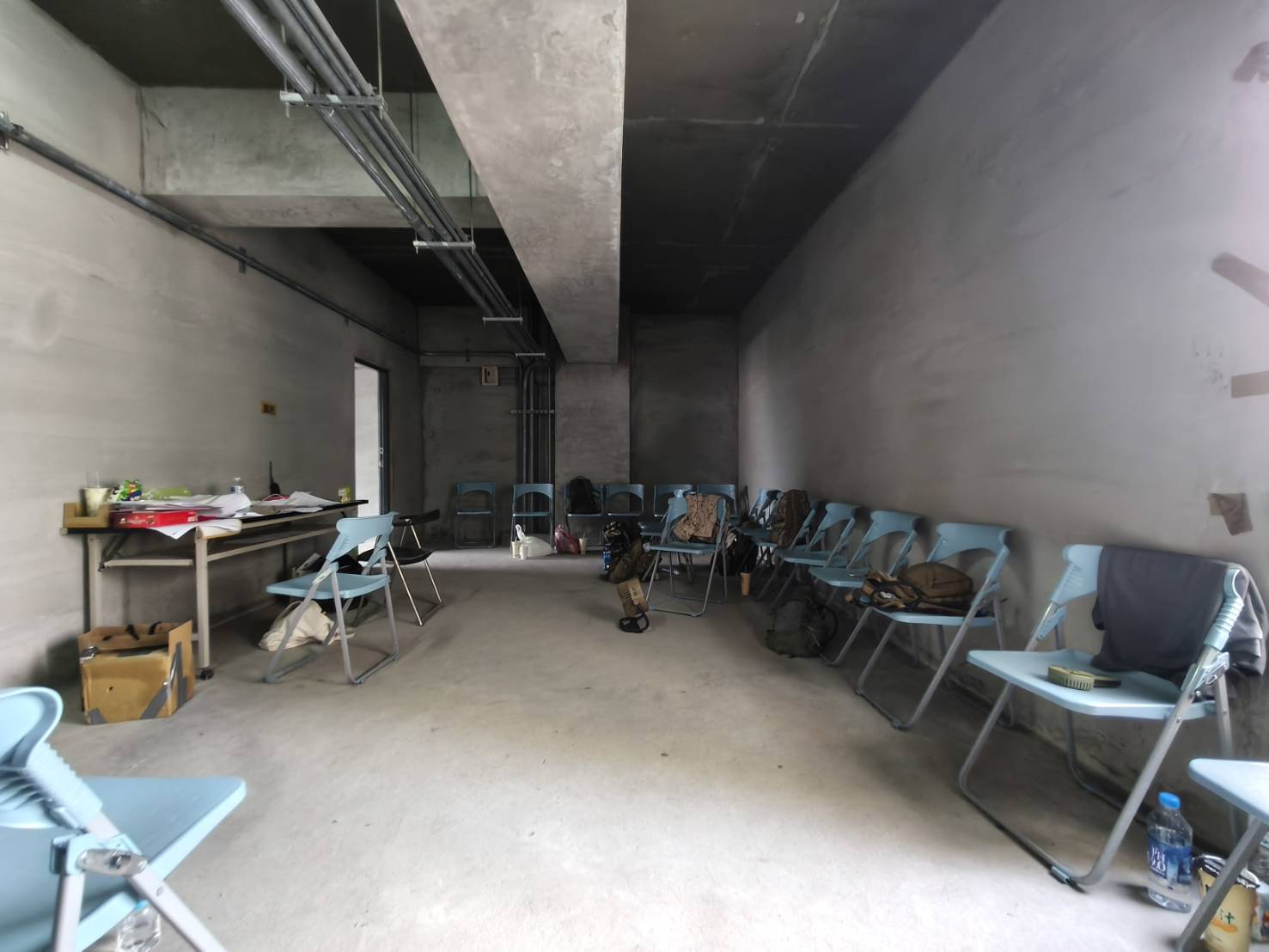
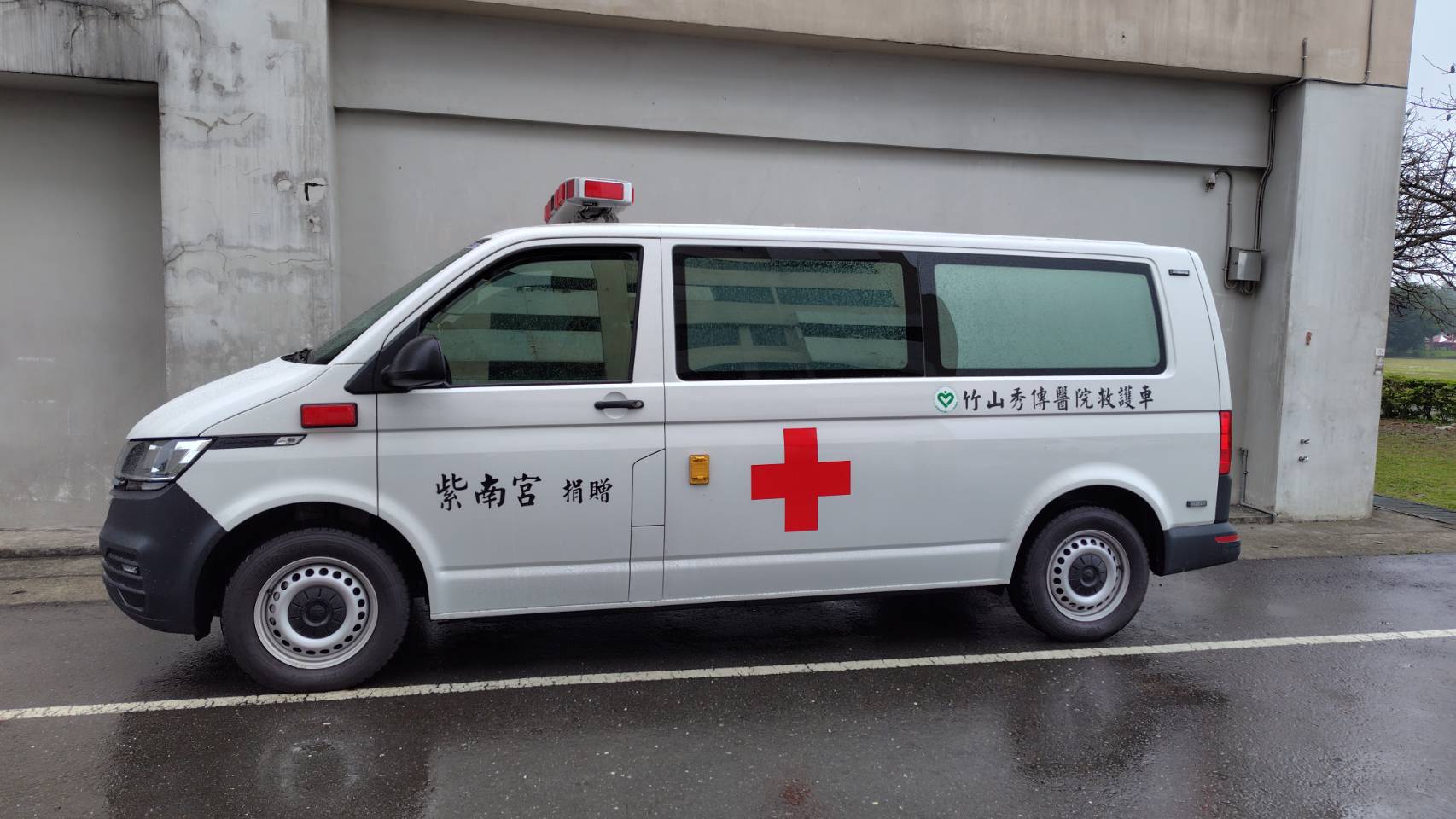
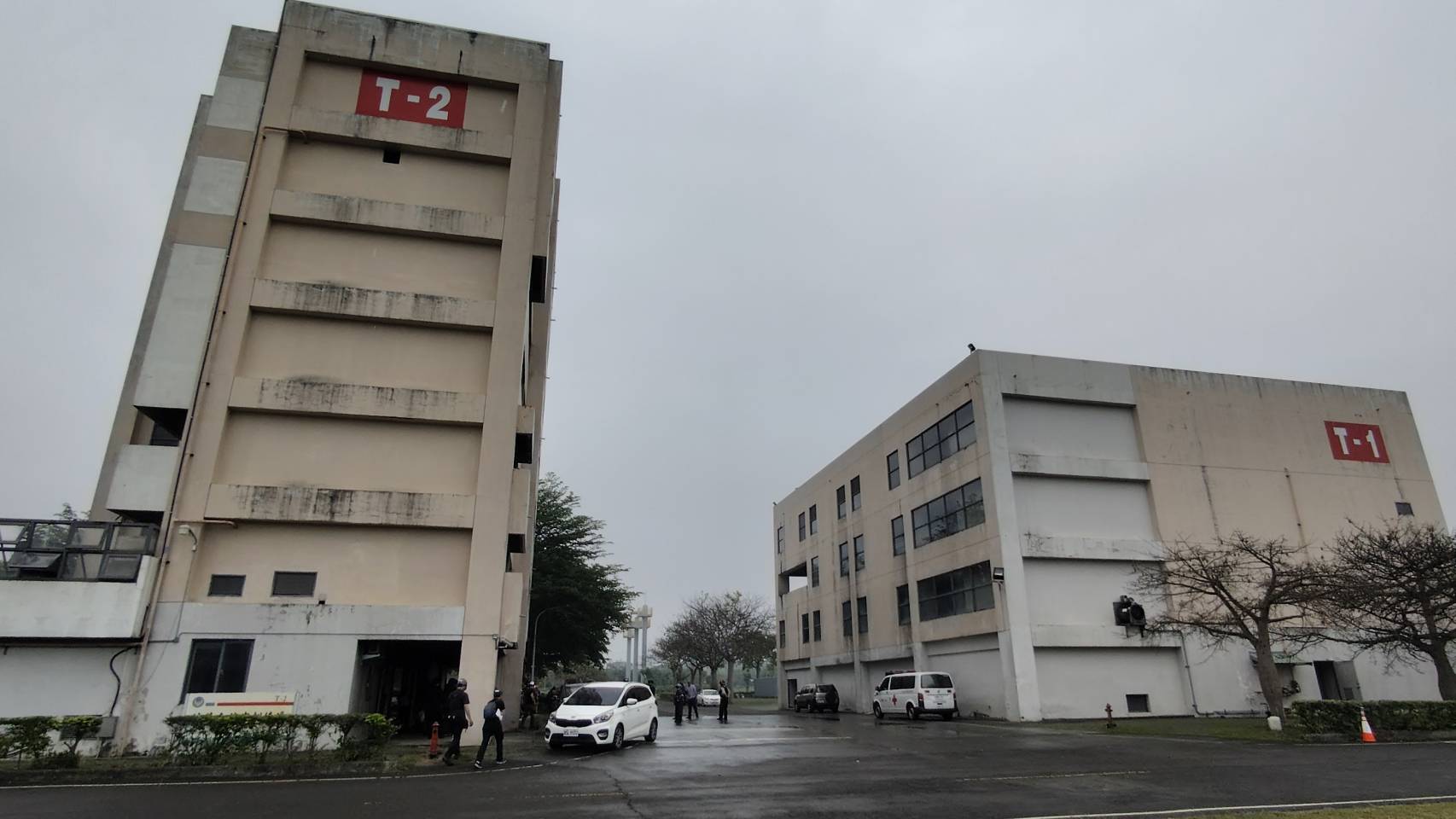
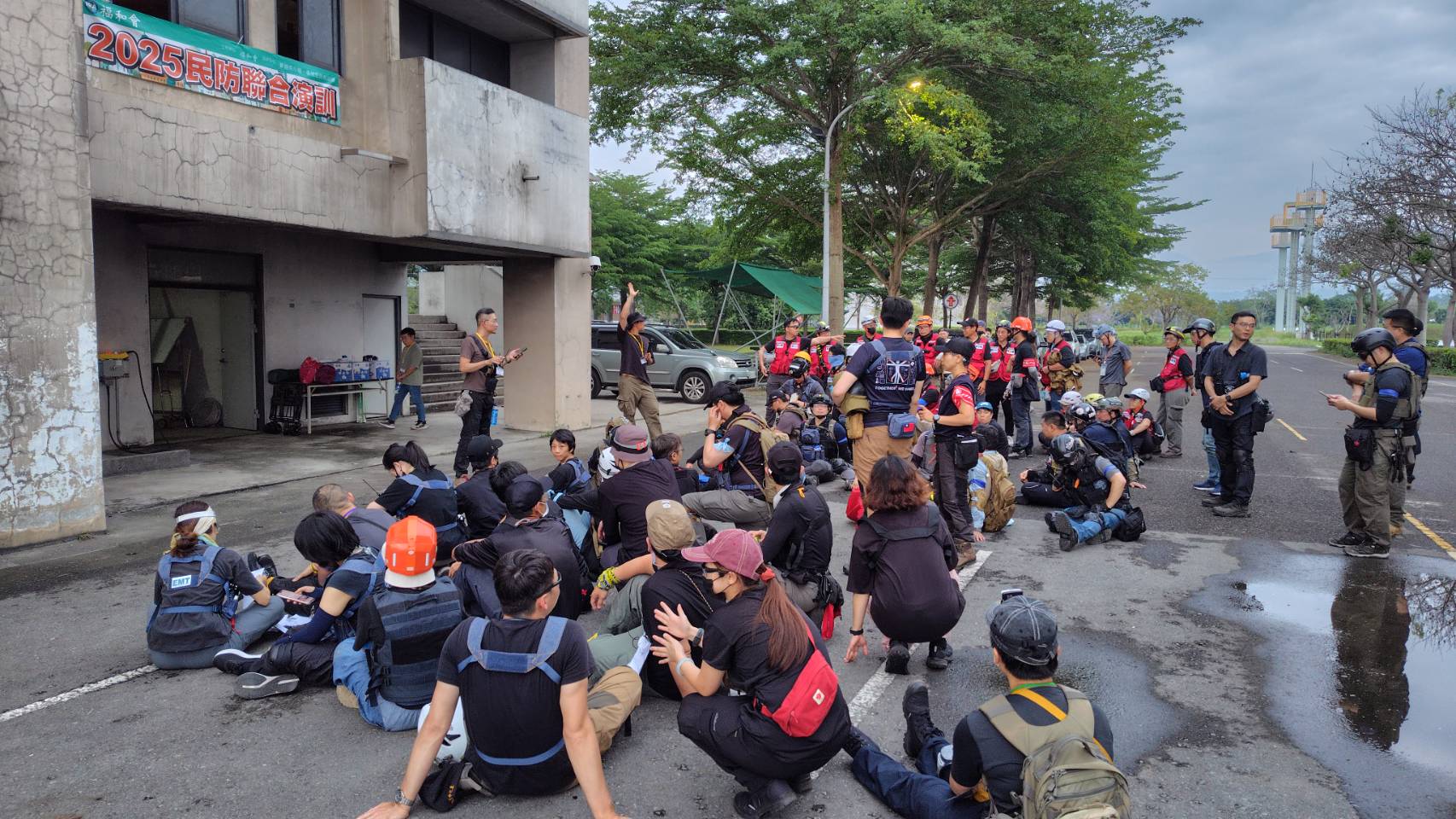
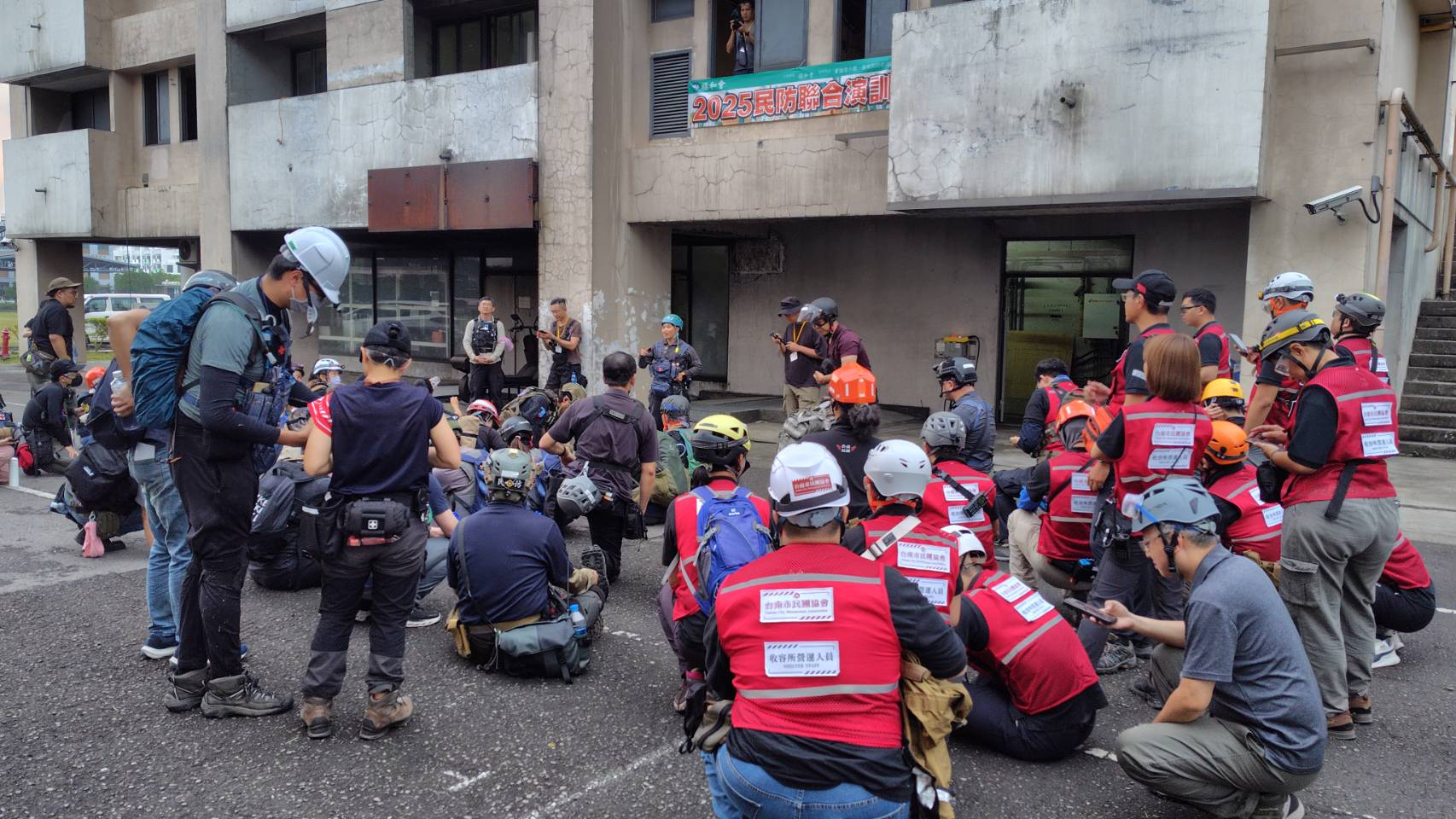
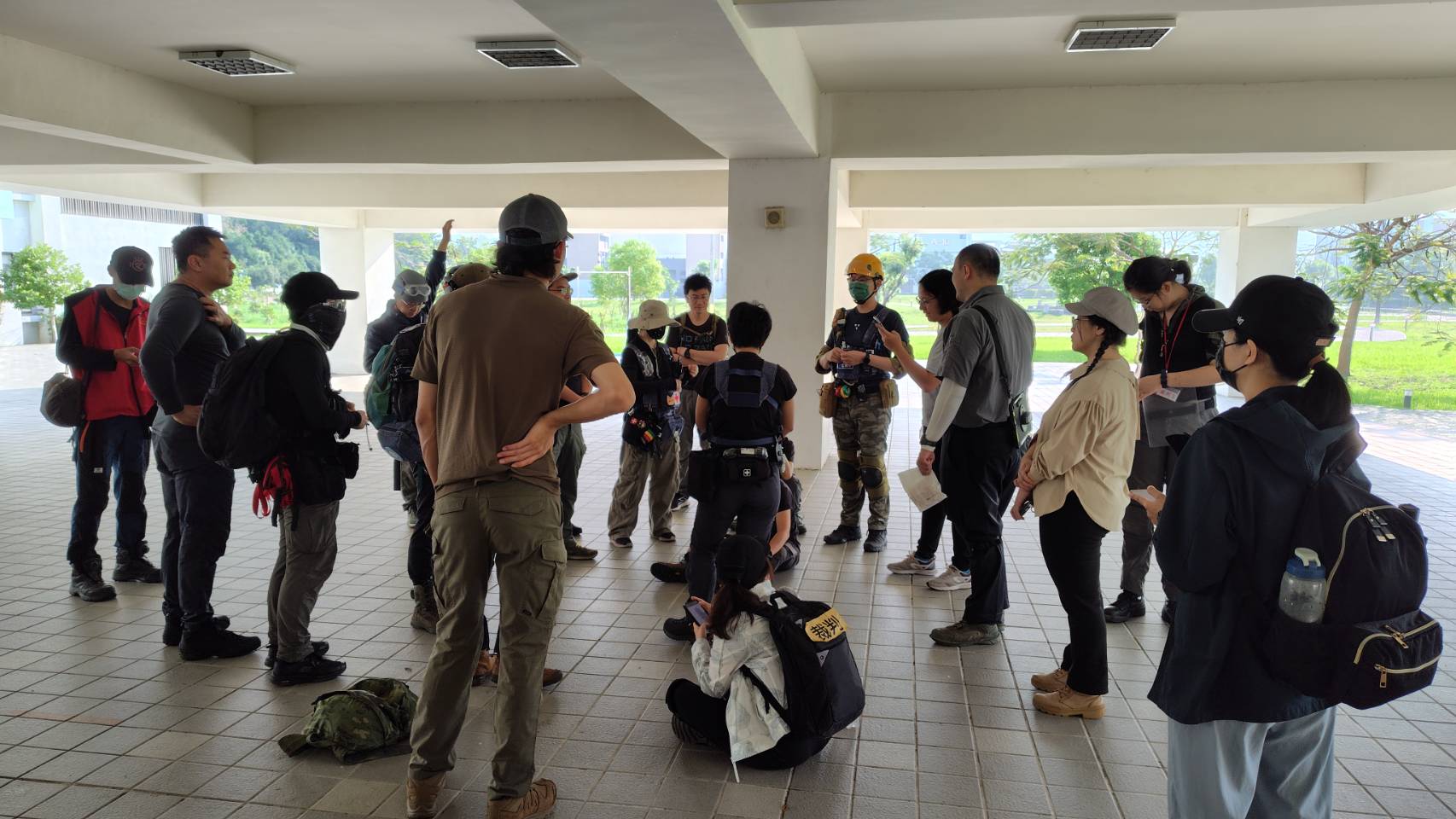
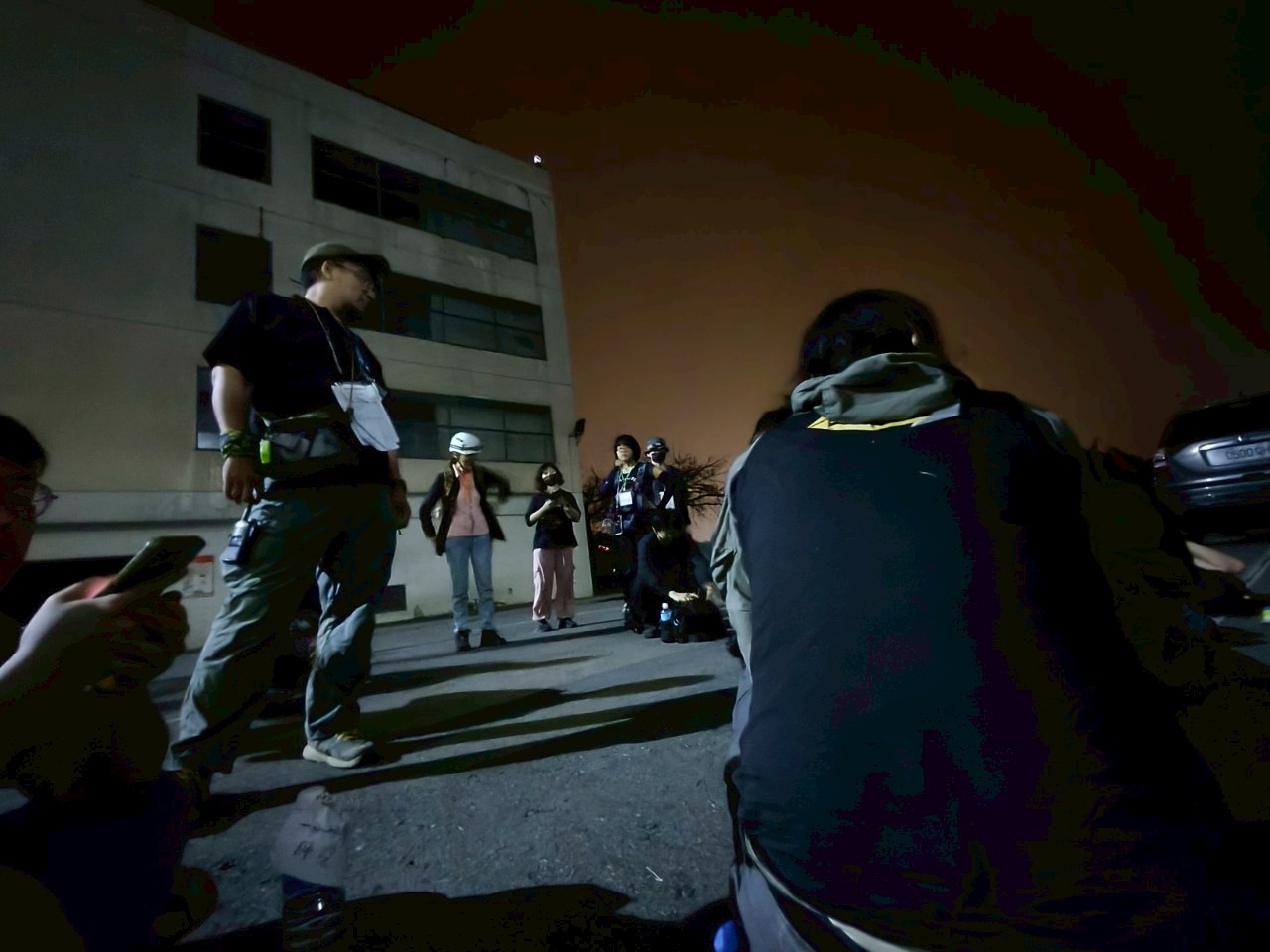
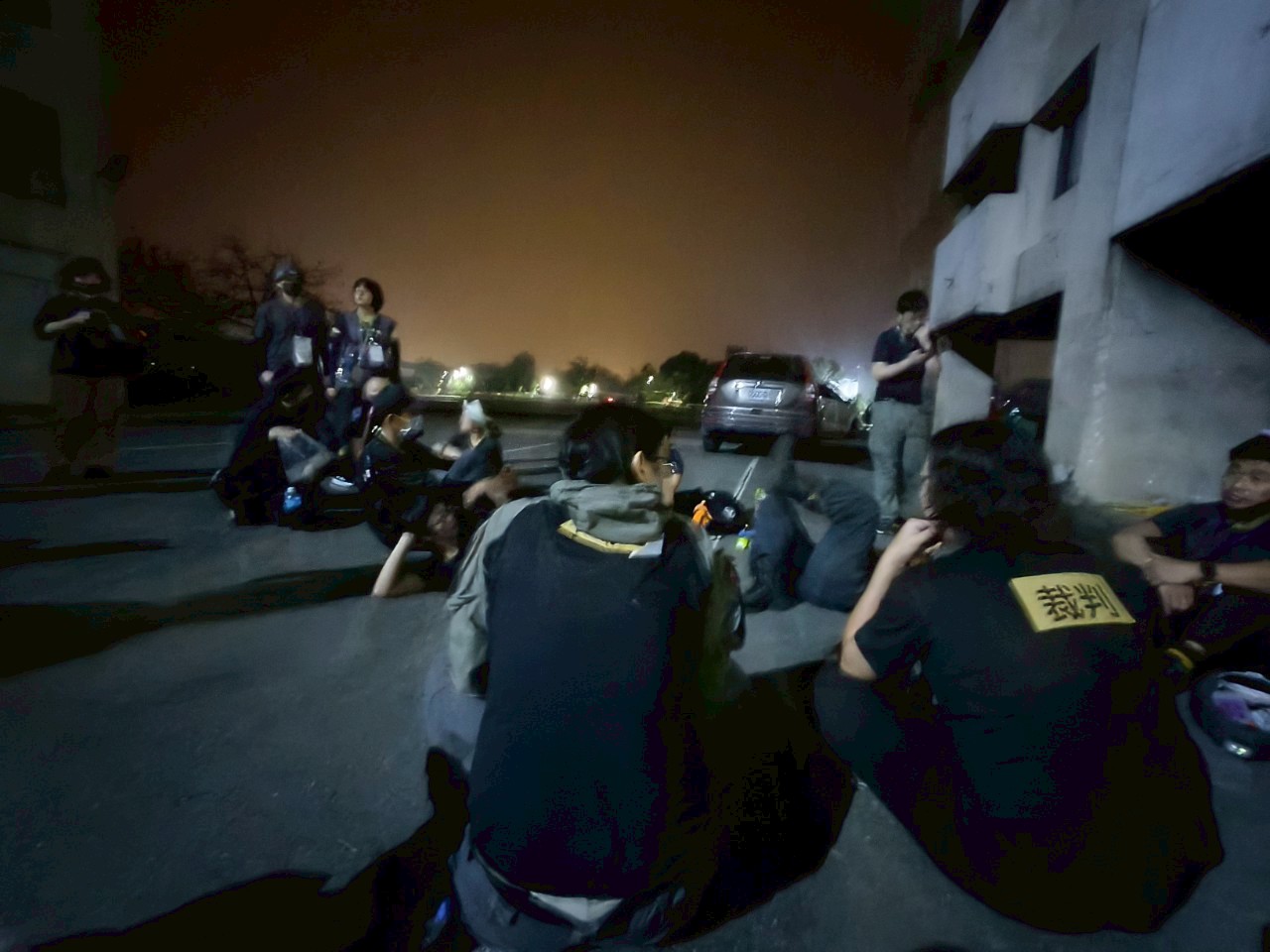
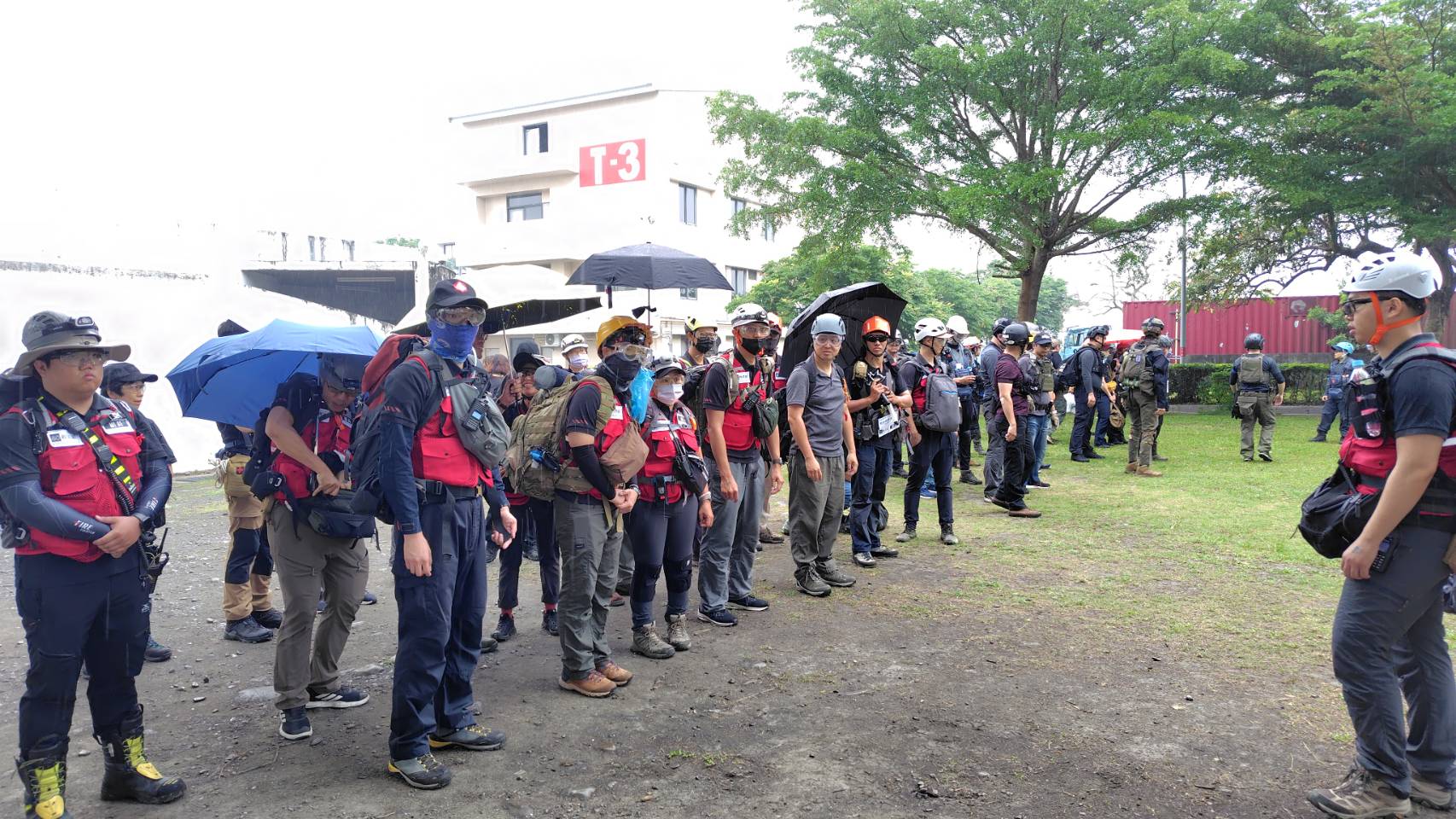
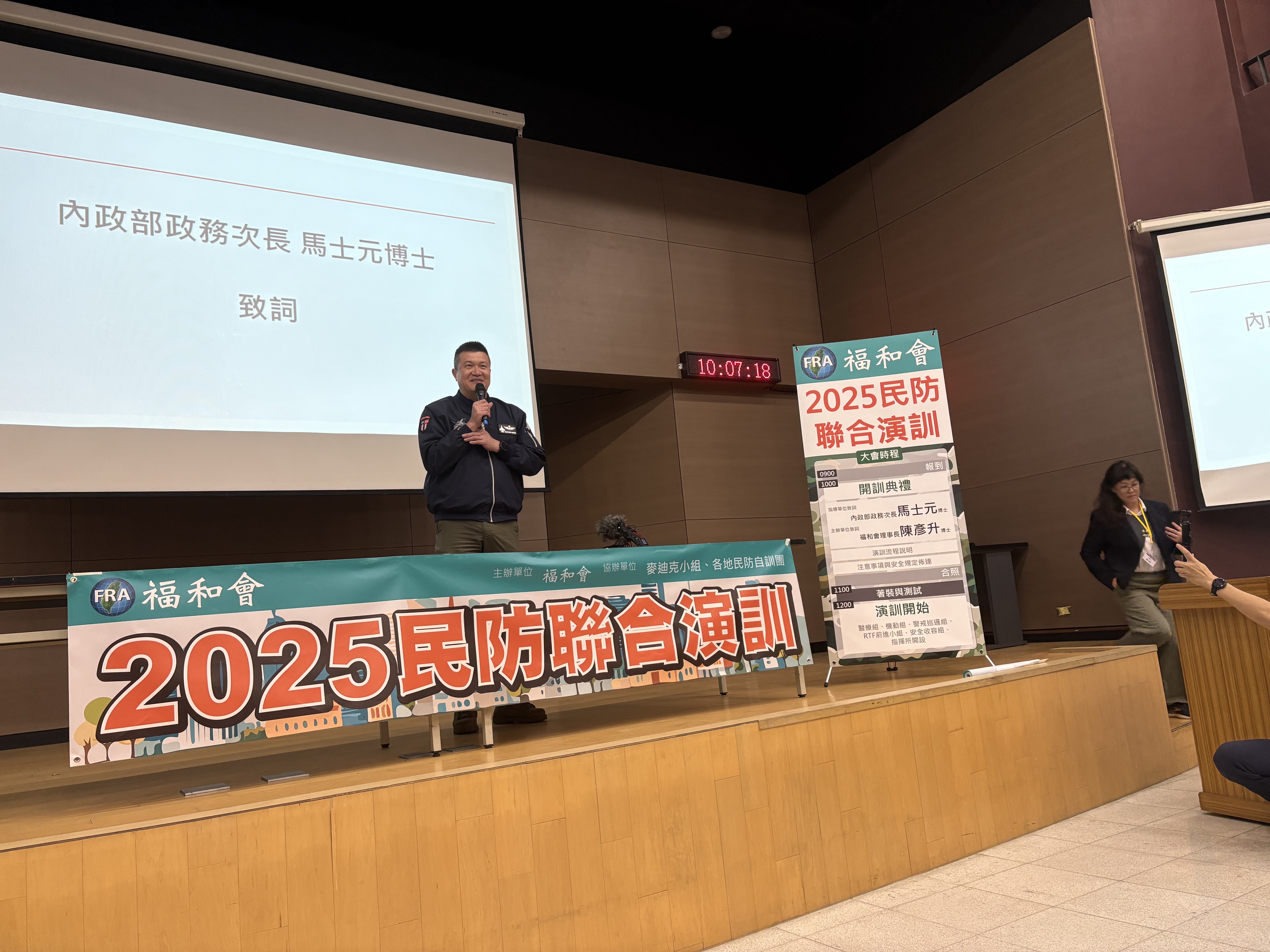
The Formosa Republican Association (FRA) held its “2025 Civil Defense Joint Exercise” from April 26th to 27th, bringing together civil disaster response organizations from across Taiwan. With over a hundred participants, the event was Taiwan’s largest civil defense exercise to-date, and demonstrated the organizational strength and proactiveness of Taiwanese society in self-defense efforts.

The exercise adopted a "scriptless” approach and simulated sudden conflict and disinformation scenarios to test civil defense groups’ emergency response, leadership, casualty management, and communcation capabilities. During the exercise, each team followed a clear system of command to act swiftly, conducting first-aid, maintaining order, relocating civilians, and managing resources. These processes highlighted the coordination and reponse abilities of civil organizations in high-pressure situations, and established a foundation for expanded civil disaster reponse cooperation in the future.

The exercise also drew observers and experts from Japan, the Netherlands, Canada, Ukraine, and other friendly nations, showcasing avid international support for Taiwan in the global network for democratic defense.

The FRA will continue advocating this exercise as an annual drill and through it, strengthen public awareness and societal resilience to create a more robust and responsive national civil defense system for Taiwan.

Focus Taiwan: Large-scale civil defense drill staged in Nantou County

ICRT: Civil defense drill held in Nantou County

Taipei Times: Civil defense exercises held in Nantou County

Taiwan News: NGO conducts civil defense training in central Taiwan

FRA 2025 Civil Defense Joint Exercise FRA 2025 Civil Defense Joint Exercise FRA 2025 Civil Defense Joint Exercise FRA 2025 Civil Defense Joint Exercise FRA 2025 Civil Defense Joint Exercise FRA 2025 Civil Defense Joint Exercise FRA 2025 Civil Defense Joint Exercise FRA 2025 Civil Defense Joint Exercise FRA 2025 Civil Defense Joint Exercise FRA 2025 Civil Defense Joint Exercise FRA 2025 Civil Defense Joint Exercise FRA 2025 Civil Defense Joint Exercise FRA 2025 Civil Defense Joint Exercise FRA 2025 Civil Defense Joint Exercise FRA 2025 Civil Defense Joint Exercise FRA 2025 Civil Defense Joint Exercise FRA 2025 Civil Defense Joint Exercise FRA 2025 Civil Defense Joint Exercise FRA 2025 Civil Defense Joint Exercise FRA 2025 Civil Defense Joint Exercise FRA 2025 Civil Defense Joint Exercise FRA 2025 Civil Defense Joint Exercise FRA 2025 Civil Defense Joint Exercise FRA 2025 Civil Defense Joint Exercise FRA 2025 Civil Defense Joint Exercise FRA 2025 Civil Defense Joint Exercise FRA 2025 Civil Defense Joint Exercise FRA 2025 Civil Defense Joint Exercise FRA 2025 Civil Defense Joint Exercise FRA 2025 Civil Defense Joint Exercise FRA 2025 Civil Defense Joint Exercise FRA 2025 Civil Defense Joint Exercise FRA 2025 Civil Defense Joint Exercise FRA 2025 Civil Defense Joint Exercise
		Tel:+886-2-2716-6180  
		e-mail:fratwn2018@gmail.com
		Address: 3F, No. 346, Sec 3, Nanjing E. Rd., Songshan Dist. Taipei City 105, Taiwan
		Account:Taiwan Business Bank Nan King East Road Branch 050-0902 090-12-095195
		

Conservatism Domestic International About | 繁 日
2026
2025
2024
2023
2022
2021
2020
2019
2018
Previous Events

FRA 7th Anniversary Annual Meeting

FRA 7th Anniversary Annual Meeting 2025.12.11

Founded in 2018, FRA was initiated by Elder Robert Lee, former Executive Yuan Policy Adviser and Overseas Community Affairs Council Commissioner. With the collective support of distinguished leaders from various sectors, the Association was formally established and initially led by Dr.Tommy Y. Lin—Presidential Office National Policy Adviser, former Chairman of Mackay Medical College, and Director of Lotung Wufu Eye Clinic. Under his steady leadership, the Association achieved significant progress. Upon completing his term in 2025, he stepped down and became Lifetime Honorary Chairman, passing the leadership to the current Chairman, Dr. Jason Chen, founder of Taiwan Ascend Space and former Vice President of the Formosan Association for Public Affairs.

On December 11, 2025, the newly elected board members invited distinguished figures from across society to join FRA 7th Anniversary Annual Meeting, bringing together longtime supporters and new friends while sharing the Association’s achievements in recent years.

Since its preparatory stage,FRA has organized forums on economic and financial policy. At the time, it already raised concerns about the unscientific and unreasonable nature of Japan’s seafood import restrictions, noting that such measures harmed Taiwan–Japan relations. During the Association’s 2023 visit to Japan, members met with Sanae Takaichi, then Minister for Economic Security, who likewise expressed Japan’s deep concern over the issue. After years of advocacy by FRA, government policy eventually shifted, and the restrictions were lifted. Now that Sanae Takaichi has become Prime Minister of Japan, this earlier chapter has become all the more meaningful.

Over the years, FRA has organized numerous forums on national defense and security, offering many policy recommendations. In 2025, it convened Taiwan’s first nationwide joint training for civil defense groups, with a scale of around one hundred participants; this training will continue annually. FRA has also held National Health Insurance forums, labor‑force policy forums, energy forums, and other major events. Through these efforts, the Formosa Association has demonstrated comprehensive concern for the nation’s critical sectors, along with strong capabilities in policy research, advocacy, and tangible policy influence.

FRA has been actively engaged in civic diplomacy. Former U.S. Secretary of State Mike Pompeo—often described as ‘the most pro‑Taiwan Secretary of State’—was invited by the Association in 2024 to deliver the ‘Never Give an Inch’ lecture and attend the Taipei launch of his new book. In 2025, the Association invited him again to Taiwan to give a keynote speech at the forum ‘Toward Lasting World Peace: The Shared Mission of the United States and Taiwan.’

In addition to the 2023 delegation visit to Japan, FRA organized another delegation in 2024, co‑hosting and participating in the Japan Strategic Studies Forum’s fourth ‘Taiwan Strait Crisis Policy Simulation’ wargame. Multiple countries, led by the United States, sent observers to attend the exercise.

Following the tragic killing of Charlie Kirk, a leading young conservative voice in the United States—a loss mourned around the world—FRA immediately began organizing a commemorative event. It invited conservative political leaders from the United States, Japan, and Brazil, as well as Israel’s representative in Taiwan, Maya Yaron, and established contact with Turning Point USA, the organization founded by Kirk.

Participants at this year’s 7th Anniversary Annual Meeting included Minister of Education Cheng Ying‑yao; Minister of Digital Affairs Lin Yi‑ching; Legislator Lee Kun‑cheng; Legislator Chen Ying; Overseas Community Affairs Council Deputy Minister and Formosa Association member Li Yen‑hui; as well as numerous city councilors from New Taipei, Taoyuan, Keelung, and Hsinchu—among them Cho Kuan‑ting and Chen Nai‑yu. Former Taichung Mayor Chang Wen‑ying, Taiwan Solidarity Union Chairwoman Chou Ni‑an, former TSU Chairman Liu Yi‑te, and New Power Party Chairwoman Wang Wan‑yu were also in attendance.

The keynote speech of the anniversary meeting was delivered by Professor Li Hsiao‑feng on the theme ‘An Illustrated History of Taiwan.’ Professor Li is not only a leading authority on Taiwan history, but also the younger brother of Elder Robert Lee, the late initiator of FRA. Having Professor Li present Taiwan’s history at the annual meeting carried special significance.

The annual meeting also introduced the young team responsible for FRA’s international cooperation initiatives, along with two of FRA’s long‑term programs. One is FRA’s effort to promote a conservative perspective on international affairs, which led to the creation of the ‘Ten‑Minute World Brief’ international news digest and its derivative collaborative podcast ‘Global Affairs: Collector’s Edition.’ The ‘Ten‑Minute World Brief’ will itself be developed into a standalone podcast in the future. The second long‑term initiative stems from FRA’s belief that the spirit of conservatism is rooted in humanity’s learning from history. To that end, FRA has been producing and refining concise world‑history lecture materials and regularly convenes focused‑group world‑history reading sessions.

The annual meeting concluded with all members of FRA’s third‑term board joining together in a chorus of ‘Taiwan the Green.’ Building on the stable foundation established over the past seven years, FRA will continue moving forward, remaining committed to supporting Taiwan’s development in both domestic and international affairs.

7th Anniversary Retrospective Video Link

7th Anniversary 7th Anniversary 7th Anniversary 7th Anniversary 7th Anniversary 7th Anniversary 7th Anniversary 7th Anniversary 7th Anniversary 7th Anniversary 7th Anniversary 7th Anniversary 7th Anniversary 7th Anniversary 7th Anniversary 7th Anniversary 7th Anniversary 7th Anniversary 7th Anniversary 7th Anniversary 7th Anniversary 7th Anniversary 7th Anniversary 7th Anniversary 7th Anniversary 7th Anniversary 7th Anniversary 7th Anniversary 7th Anniversary 7th Anniversary 7th Anniversary 7th Anniversary

FRA Hosts Second “Left-Right Forum.”

FRA Hosts Second “Left-Right Forum.” 2025.10.18

FRA Hosts Second “Left-Right Forum,” Focuses on Energy and Healthcare Resilience Amid Geopolitical Risks

On October 18, the FRA held the second session of its “Left and Right Forum” series at the National Taiwan University College of Public Health. Centered on energy policy and the healthcare system, the event brought together experts, scholars, and civil society representatives to explore how Taiwan can balance efficiency and equity while facing the pressures of resilience needs, environmental challenges, and healthcare sustainability especially amid rising geopolitical tensions. Speakers pointed out that as the threat of war grows, whether Taiwan’s energy supply can meet wartime demands and whether its medical and pharmaceutical systems can keep operating during conflict have become tests of institutional strength and policy choices.

Fossil Fuels, Green Energy, Nuclear Power: A Three-Way Contest

The first half of the forum, moderated by dentist and social activist Shih Shu-hua, focused on energy issues. Panelists included Lin Li-fu, former Deputy Director of the Atomic Energy Council; Lan Yi-feng, Executive Director of the FRA; Tsai Chung-yueh, veteran environmental activist; and Chen Hsueh-li, Executive Director of the Citizens Association for Public Policies. Their discussion drew from perspectives on nuclear safety, green energy transition, and energy independence to examine the tensions between carbon reduction, economic development, and safety. FRA Executive Director Lan Yi-feng noted that while Taiwan often views politics through a blue–green lens, the real framework for public policy discussion internationally operates on a left-right model. According to him, “Only by understanding left and right can we understand the language of international politics and media.” He cited The New York Times as an example of a self-identified left-leaning publication whose stance readers should be aware of.

Tracing the global energy context, Lan explained that during the Cold War, most right-leaning groups supported nuclear power while left-leaning groups opposed it. However, as decarbonization became a major issue in the 2000s, parts of the Western left shifted toward supporting nuclear energy as a means of reducing carbon emissions. In contrast, much of Taiwan’s anti-nuclear movement has retained their stance. Lan argued that energy choices should return to data and cost-based analysis (such as Levelized Cost of Energy, or LCOE). Both pro- and anti-nuclear stances can stem from different values, such as from reducing carbon emissions (left), or from seeking efficiency and security (right). “The conclusion may be the same, but the motivations differ,” he concluded.

He also explained the “duck curve” and the causes of NOx pollution, reminding the audience that what Taiwan refers to as “dirty energy” points to air pollution, while the international left primarily uses the term to refer to carbon emissions.

Lin Li-fu, former Deputy Director of the Atomic Energy Council, cautioned against viewing energy debates as a “Three Kingdoms” rivalry and instead called for a “Three Allies” cooperative approach. He proposed three guiding principles: low electricity prices, energy security and resilience, and a low-carbon transition.

On electricity pricing, Lin noted that Taiwan’s policy of keeping residential rates lower than industrial rates reflects a left-leaning emphasis on equity, whereas countries like Japan and Germany adopt market-based systems where industrial users pay lower rates due to high consumption. This difference, he said, illustrates the divide between left and right economic philosophies.

He warned that Taiwan must keep overall electricity prices reasonable and affordable to maintain industrial competitiveness, or risk weakening its manufacturing and export foundations. Taiwan’s natural gas reserves currently cover only 11–14 days of use, far below South Korea’s and Japan’s 30–46 days, posing a key vulnerability in energy resilience. He called on the government to prioritize energy risks and build a more stable and diversified reserve system.

Using LCOE benchmarks, Lin estimated that the ideal cost of power generation should be NT$1.5–4.5 per kWh (roughly US$50–150 per MWh), a range that balances affordability and competitiveness. While Taiwan has not yet met this target due to lagging technology and immature industries, it holds major potential in renewable energy such as ocean thermal, marine current power, and geothermal energy and even ranks among the world’s top three in some such areas. Combined with its semiconductor expertise, Taiwan could develop globally competitive industries if it leverages domestic strengths and adopts new technologies. “In an AI and digital era, electricity prices are national power,” Lin concluded, emphasizing that energy policy should first ensure reliable and affordable electricity for industry.

Environmental activist Tsai Chung-yueh highlighted “secondary peak-hour” risks, noting that Taiwan’s greatest energy strain occurs from 6–10 P.M., and not midday in summer. Solar energy can ease the midday load, but energy storage and pumped hydroelectricity are needed after sunset. Recent blackouts, he argued, stem mainly from grid fragility and transmission issues, not generation shortfalls, and decentralized systems with renewable and storage capacity can operate even after disasters, demonstrating greater resilience.

He pointed out that energy policy cannot rely on a single solution, and a mixed portfolio is widely recognized as essential. The main energy debate, then, centers more on nuclear power. LCOE calculations, he warned, can be misleading if they exclude backend and waste disposal costs. Taiwan currently lacks a permanent nuclear waste site, and uncertainties around nuclear back-end funding and regulatory changes must be addressed. Additionally, he pointed out that given Taiwan’s dense population and seismic activity, new nuclear plants, as well as the extended use of existing plants, face heightened safety and social challenges.

On geopolitical risks, Tsai urged rethinking energy models under a “blockade scenario,” explaining that if exports stop and industrial power demand falls, overall load patterns would shift. In such cases, locally available renewable energy and storage systems would become vital strategic energy sources for sustaining essential functions.

Chen Hsueh-li, of the Citizens Association for Public Policies, called geothermal energy Taiwan’s most overlooked but scalable local resource. She cited geological surveys showing high potential for geothermal development if the country adopts a de-risking pathway of systematic exploration followed by drilling and demonstration. She pointed out that an initial NT$3 billion investment in exploration could dramatically raise success rates, a small but crucial cost compared to the NT$530 billion used for gas conversion.

She noted that US data centers increasingly use self-supplied power, applying oil and gas technologies to new-generation geothermal (EGS) systems and rapidly reducing costs. Geothermal and small modular reactors (SMRs) are now emerging as parallel options, but SMRs face uncertain timelines and waste issues, making geothermal timelier and more accessible for Taiwan. She recommended launching national exploration and demonstration projects in high-potential regions such as the northern volcanic zones, offshore areas, and the Lanyang Plain (also known as the Yilan Plain).

Guest speaker Guermantes Lailari, a visiting scholar at the Institute for National Defense and Security Research, raised concerns about the surging electricity demand from AI and semiconductor manufacturing, wartime energy security, and Taiwan’s reliance on Chinese energy technologies. Panelists responded that energy conservation could ease demand, with industrial energy savings of 30% able to stabilize overall consumption. On China’s dominance in renewable and nuclear equipment, they suggested building short-term reserves while developing local industries and international partnerships over the medium and long term to reduce dependance. Additionally, they explained that under wartime or blockade conditions, instead of sheer generation volume, distributed generation and storage would be key to maintaining essential power and communications.

At the Crossroads of Fairness and Efficiency: Healthcare Sustainability and Social Resilience

The second half of the forum turned to healthcare, featuring NTU College of Public Health Dean Cheng Shou-hsia and Taiwan Medical Association Deputy Secretary-General Huang Kuo-chin, as well as prior panelists Lin Li-fu and Tsai Chung-yueh who offered perspectives as professionals from outside the medical establishment. Moderator Shih Shu-hua also shared his experience with running both a private dental clinic and a National Health Insurance (NHI) clinic.

Dean Cheng Shou-hsia noted that Taiwan’s NHI is fundamentally left-leaning—government-led and emphasizing fairness and accessibility. Yet aging demographics, a shrinking workforce, and rising costs from new drugs and technologies are creating financial strain on the system. While satisfaction with NHI remains high, this “high satisfaction–low payment” paradox reduces reform incentives, threatening sustainability. He urged the government to reassess funding and payment models, align spending with international benchmarks, and gradually shift from case-based to outcome-based payments, rewarding medical results rather than service volume. Alongside this shift, he said reasonable co-payments should be implemented to improve resource efficiency. Cheng also stressed the importance of social resilience during conflict and crises. While large hospitals perform mass-casualty drills, the real risk lies in disruptions to food, water, power, and medical supplies. Public hospitals, he said, should form the backbone of wartime healthcare capacity, and inter-ministerial coordination must support this model to strengthen systemic resilience.

Huang Kuo-chin, FRA Vice Chair and practicing physician, argued that while Taiwan’s NHI is labeled “social insurance,” in practice it has become highly welfare-oriented, with heavy government subsidies and political interference making it a hybrid of social insurance and welfare policy. He warned that public satisfaction masks deep structural problems, with overreliance on low premiums and high subsidies masking financial risks.

The NHI’s budget system and declining point values have distorted price signals, lowering efficiency and creating a system where seeing more patients often means earning less. This, along with challenges in public hospital operations, has driven medical talent toward self-pay and aesthetic medicine markets. With fewer financial contributors, a large elderly population, and greater long-term care needs, revenue gaps will only widen, necessitating higher taxes or premiums. According to Huang, policy reform must apply market incentives and tiered understanding to provide medical providers and physicians with reasonable compensation and distribute financial responsibility among citizens. To address these issues, Huang proposed a “dual-track strategy.” First, expand revenue through differentiated premiums and complementary private insurance, and second, limit costs by enforcing reasonable co-payments, curbing overuse, and reducing defensive medicine. He concluded that NHI reform is not just technical; it’s a values-based choice, and Taiwan must decide honestly how much it is willing to pay for fairness versus efficiency.

Speaking from a consumer perspective, Lin Li-fu compared Taiwan’s healthcare system to Germany’s dual-track (public + private) model, emphasizing the need for transparency about service differences and waiting times. Governments, he said, should publish international benchmarks and performance data to build societal consensus on spending adjustments.

On the social worker side, Tsai Chung-yueh drew parallels with energy pricing, suggested a tiered approach to healthcare financing that ensures basic accessibility while reflecting true marginal costs for excessive use, thus preserving public resources and social cohesion. He argued that under the principle of fairness, higher-income and higher-usage groups should contribute more through pricing and taxation, and more focus should be given to the stability of care for vulnerable populations and long-term care integration.

Guest speaker Guermantes Lailari closed out the discussion by with a conversation on geopolitics, asking whether Taiwan’s healthcare system is prepared for wartime stress. He questioned whether hospitals are able to operate under bombardment or blackouts, and whether drug and medical supply chains—especially those reliant on China—have contingency plans.

Panelists replied that hospitals conduct regular mass-casualty and trauma drills, and Taiwan’s experience managing crises such as the 2015 New Taipei Water Park Explosion as well as the SARS and COVID-19 outbreaks shows solid emergency response capacity. However, public and institutional awareness of wartime contingencies remains limited. Dean Cheng Shou-hsia added that the greatest wartime challenge would likely be the loss of electricity, water, and logistical resources, testing Taiwan’s broader social resilience.

To close off the event, FRA Chair Jason Chen remarked that both energy and healthcare are vital issues of public concern and national security. Given limited time for discussion, the FRA hopes to host more forums in the future to deepen societal understanding of the intertwined issues of national resilience, public health, and security, and to foster broader, more informed public dialogue.

Second Left-Right Forum Second Left-Right Forum Second Left-Right Forum Second Left-Right Forum Second Left-Right Forum Second Left-Right Forum Second Left-Right Forum Second Left-Right Forum Second Left-Right Forum Second Left-Right Forum Second Left-Right Forum Second Left-Right Forum Second Left-Right Forum Second Left-Right Forum Second Left-Right Forum Second Left-Right Forum Second Left-Right Forum Second Left-Right Forum

FRA 2025 Civil Defense Forum

FRA 2025 Civil Defense Forum 2025.9.27

On September 27, the Civil Defense Forum—hosted by FRA and co‑organized by the Taiwan Liberty Society—was held in Taipei, drawing participation from more than 25 self‑training groups, disaster‑preparedness organizations, and the Taiwan Civil Groups Association from across the island. International think tanks also joined the event online. The forum was not merely a standalone gathering, but an important step in strengthening Taiwan’s societal resilience, demonstrating the shared determination of both government and civil society to confront risks posed by war and disasters. In the opening remarks, the host expressed gratitude for the support from all sectors and emphasized that the forum’s founding purpose was to bring together Taiwan’s diverse civic forces, enabling collective discussion and planning for potential wartime and disaster scenarios, and ultimately forming a blueprint for coordinated action.
The forum was structured around four major themes: ‘Taiwan Strait War Scenarios and County‑Level Contingency Planning,’ ‘Civil Defense Medical Response,’ ‘Shelter Management and Activation,’ and ‘Logistics Distribution, Communications, and Order Maintenance.’ Throughout the discussions, scholars and experts repeatedly emphasized that the key difference between war and natural disasters lies in the sustained impact of ‘saturation attacks,’ making it essential for drills to closely mirror real‑world conditions. They noted that the early phase of armed conflict is often characterized by information warfare and psychological operations, with missile or long‑range fire attacks emerging only in later stages. Therefore, Taiwan’s civil defense system must rehearse four core dimensions in advance—command structure, resource allocation, disaster‑zone rescue, and information interoperability—to prevent disorder during emergencies. Participants also highlighted that although the Disaster Prevention and Protection Act can be activated without a presidential emergency order, civil society must be prepared to establish a ‘self‑organized command structure’ should local governments become incapacitated. This perspective received broad agreement among the attending groups.

Representatives from various self‑training groups shared numerous practical challenges and response strategies. In the area of medical support, discussions extended from battlefield trauma care to common civilian illnesses and even chronic‑disease management, emphasizing that decentralized ‘resilient medicine’ will be essential in the future. Regarding communications, participants noted that military, police, fire departments, and civilian groups currently lack interoperability. Many agreed that civil organizations must independently develop radio or satellite communication protocols to ensure connectivity in the event of internet disruption. Another discussion highlighted that while civilian‑run shelters can supplement government capacity, they must maintain information alignment with official agencies, particularly in material supply and security management. The Taiwan Civil Groups Association further proposed three key areas for routine training: identification of friend and foe, grey‑man concealment skills, and cross‑group communication systems. Participants also called for the establishment of nationwide civil‑defense conduct guidelines—especially concerning order maintenance and gender equality—to prevent women from being excluded within formal civil‑defense structures. These recommendations reflect the strong expectations among civic organizations for institutional reform.

This forum not only brought together self‑training groups from across Taiwan, but—through the participation of government officials, scholars, experts, and international think tanks—also elevated the discussion to the level of institutional design, strategic planning, and global perspective. Participants unanimously agreed that when Taiwan faces the challenges of war or disaster, civic strength should not merely play a supporting role; rather, it should serve as a complementary pillar of resilience alongside the government. From medical response and communications to shelter management and order maintenance, every link underscored the importance of peacetime rehearsal. Only through continuous exchange and the building of operational familiarity can collaborative effectiveness be realized when crisis strikes. As the host remarked, ‘The international community has already seen that Taiwan has such a committed group of people—this is our determination to defend ourselves.’ Looking ahead, the Association will continue engaging with similar platforms to help Taiwan gradually build a civil‑defense system that is more resilient, cooperative, and sustainable.

FRA 2025 Civil Defense Forum FRA 2025 Civil Defense Forum FRA 2025 Civil Defense Forum FRA 2025 Civil Defense Forum FRA 2025 Civil Defense Forum FRA 2025 Civil Defense Forum FRA 2025 Civil Defense Forum FRA 2025 Civil Defense Forum FRA 2025 Civil Defense Forum FRA 2025 Civil Defense Forum FRA 2025 Civil Defense Forum FRA 2025 Civil Defense Forum

Commemorating Charlie Kirk in Ximending

Commemorating Charlie Kirk in Ximending 2025.9.21

“Charlie Kirk, a prominent conservative political advocate in the United States, was recently assassinated by a terrorist—an act that shocked the international community. A memorial event was held in Ximending by the Taiwan Solidarity Union, with FRA serving as co‑organizer. Other participating groups included the Ximending Taiwan Independence Flag Team, Taiwan Nation, and the Taiwan Conservatism Society. Approximately three hundred people gathered at the site to express their condolences and pay tribute to Kirk.

TSU Chairwoman Chou Ni‑an stated that the United States places great importance on Kirk’s passing: not only did federal agencies lower their flags to half‑staff in mourning, but the Senate also passed a resolution designating Kirk’s birthday as a national day of commemoration—underscoring his status as a ‘national hero.’ Chou explained that the TSU chose to hold the memorial on the day of Kirk’s funeral as a way to carry forward his spirit.

TSU Secretary‑General Wang Ming‑yuan lamented that, in stark contrast to the high level of attention in the United States, the Taiwanese government and mainstream media have shown almost no response—something he found deeply regrettable. He stressed that Kirk devoted his life to the pursuit of truth and values, and even sacrificed himself for them, and therefore deserves far greater recognition.

Economist Wu Chia‑lung also delivered remarks at the memorial, noting that commemorating Kirk is not merely about honoring an individual, but about affirming the fundamental importance of freedom of speech and opposition to religious violence. He stated bluntly that Taiwan’s democratization contains structural deficiencies—while it has a liberal faction similar to the U.S. Democratic Party, it lacks a right‑leaning party comparable to the Republican Party. Taiwan, he argued, urgently needs a force willing to defend what is right and uphold essential values.

Lin Huan‑chun, daughter of former DPP Chairman Lin Yi‑hsiung, also attended the memorial. She noted that most people in Taiwan are unfamiliar with the significance of Kirk’s martyrdom, reflecting how local media have long been influenced by Chinese outlets or by far‑left international media, making it difficult for Taiwanese society to encounter diverse viewpoints. She urged the younger generation to bravely pursue political truth and to usher in their own ‘Turning Point.’

Chairwoman Chou Ni‑an concluded by noting that Turning Point USA, the organization founded by Kirk during his lifetime, successfully awakened a new generation of young Americans. Inspired by his spirit, the Taiwan Solidarity Union plans to bring together local right‑leaning advocates to establish ‘Turning Point Taiwan,’ injecting new political energy into Taiwanese society.

Commemorating Charlie Kirk in Ximending Commemorating Charlie Kirk in Ximending Commemorating Charlie Kirk in Ximending Commemorating Charlie Kirk in Ximending Commemorating Charlie Kirk in Ximending Commemorating Charlie Kirk in Ximending Commemorating Charlie Kirk in Ximending Commemorating Charlie Kirk in Ximending Commemorating Charlie Kirk in Ximending Commemorating Charlie Kirk in Ximending Commemorating Charlie Kirk in Ximending Commemorating Charlie Kirk in Ximending Commemorating Charlie Kirk in Ximending Commemorating Charlie Kirk in Ximending

FRA Hosts First “Left-Right Forum.”

2025.8.16
FRA Hosts First “Left-Right Forum.”

FRA’s first session of the Left–Right Grand Forum, focusing on how the Israel–Palestine conflict and the nationwide recall movement relate to Taiwan’s core interests.

Taiwan’s political landscape has long been divided along the lines of ‘unification versus independence’ or the traditional ‘blue–green’ split. Yet in most democratic countries, the primary framework for understanding public issues is the spectrum of ‘left and right.’ On the 16th, FRA held the first session of its Left–Right Grand Forum series, focusing on the ‘Israel–Palestine conflict’ and the ‘mass recall movement.’ The event brought together voices from religious communities, academia, political parties, and international‑relations commentators, guiding the public to examine what these developments reveal for Taiwan from multiple perspectives.

During the first half of the forum’s international affairs session, former Taiwan Solidarity Union chairman Liu Yi‑te served as the moderator. With left‑wing and right‑wing representatives speaking in alternating turns, the discussion explored “How Taiwan should view the Israel–Palestine issue from its own standpoint.

Pastor Huang Chun‑sheng stated that the Israel–Palestine conflict should not be simplified as a religious confrontation. Drawing on his own experiences in Jerusalem and Palestine, he emphasized that there are indeed communities and Christian groups in the region that long for peaceful coexistence. He pointed out that Israel’s internal political radicalization and settlement policies are major sources of the conflict, while Hamas’s attacks reflect the nature of extremism in undermining peace efforts. Pastor Huang reminded the audience that whether left‑wing or right‑wing, once a position becomes extreme and sacrifices human lives, it goes beyond political ideology. He urged that the Middle East situation should be understood from the standpoint of shared human values.

Professor Liu Yu‑shi emphasized that Taiwan should not approach the Israel–Palestine conflict through emotion or binary thinking, but instead make pragmatic judgments based on its own national interests. He noted that he himself had been left‑leaning as a student, but after receiving training in economics and recognizing the importance of safeguarding individual freedoms, he gradually came to accept right‑leaning values. He clarified recent public controversy, stressing that Taiwan’s Ministry of Foreign Affairs did not fund the Israeli military; rather, it provided humanitarian assistance to hospitals. Related rumors, he said, are examples of manipulated misinformation. Professor Liu further pointed out that Taiwan should learn from Israel’s technological development and defense strategies, and seek a balance between upholding universal values and protecting national interests.

Liu Pin‑chen, Deputy Secretary‑General of the New Power Party, stated that left‑wing perspectives focus on the conditions of individuals under oppressive structures, requiring opposition to state violence and racial segregation while supporting the dignity and survival of civilians. He argued that if Taiwan emphasizes the right to self‑determination, it should also pay attention to the self‑determination and dignity of other peoples living under oppression. Liu reminded the audience that with shifts in the international environment — including Donald Trump taking office — value‑based diplomacy has become more difficult to carry out. Taiwan’s foreign policy must therefore strike a balance between values and real‑world constraints: it must uphold principles while also guarding against external authoritarian actors using information warfare to divide society. He concluded by expressing hope that if Taiwan ever faces aggression, international support would come not only from strategic or industrial considerations, but also from a shared recognition of common humanity and universal values.

Zhao Jun‑shuo, the keynote speaker of the “U.S.–China–Taiwan War Room,” pointed out that the Israel–Palestine conflict must be understood within the broader context of great‑power competition in the Middle East and Iran’s strategic positioning. Iran, he explained, confronts the United States and its ally Israel through regional proxies and partners. He noted that solutions to these issues may not align with the right‑wing preference for gradual reform, but they can still be analyzed through a right‑leaning, issue‑focused framework. In his view, although Israel’s methods are harsh, Hamas has long exploited humanitarian crises for political gain and has not improved the lives of Palestinians. Zhao emphasized that Taiwan should actively learn from Israel’s strategies of “leveraging small advantages against larger powers” and “building national strength through technological advancement and military capability.” He argued that Israel should be regarded as a pragmatic partner and a model for cooperation and learning in both technology and security strategy.

The event also invited two foreign research fellows from Academia Sinica, Joshua Thomas Wenger and Paul Jobin, to serve as guest questioners. Dr. Jobin noted that he would not express his own views, but he was curious why the organizers chose the Israel–Palestine conflict as the theme. He reminded the audience that 147 UN member states recognize Palestinian sovereignty; if there is a “direction of history,” he hopes Taiwan will not misread it and make the wrong choice, which could amount to a kind of moral self‑destruction. Dr. Wenger argued that Taiwan should exercise caution in its pragmatic diplomacy, warning that taking sides in the Israel–Palestine conflict could harm Taiwan’s interests. Fuhe Association Chairman Chen Yen‑sheng explained that the Israel–Palestine issue is a global topic deeply connected to left‑right ideological debates. Because Taiwan lacks sufficient discussion of international strategic thinking framed through such ideological lenses, the organizers hoped to use this issue as an entry point for exploring left‑right perspectives.

The second half of the Left–Right Forum focused on the theme “Why the Recall Movement Represents the Realization of Taiwan’s Democracy.” Left‑wing and right‑wing representatives were again invited to share their views. Although the four speakers held differing political positions, they all emphasized that this grassroots civic force symbolizes the steadfast resolve demonstrated by Taiwanese society in the face of authoritarian threats.

Pastor Huang Chun‑sheng remarked that the recall movement represents a “stumbling yet correct path toward democracy.” He argued that democracy, freedom, and human rights are values of the “Kingdom of God,” and that Taiwan must rely on an electoral revolution to resist authoritarianism and pro‑China forces. Although recall efforts may not succeed every time, the civic energy they generate has already transformed into political participation, oversight initiatives, and civil society organizations across the island. This momentum, he said, will continue to serve as an important driving force for Taiwan’s democratic development.

Professor Liu Yu‑shi stated that the recall movement is, in essence, a form of “anti‑communist resistance within the constitutional system,” using the recall power granted by the Constitution to counter China’s infiltration and aggression. She emphasized that the 1.3 million votes cast in the July 26 recall campaign have formed a “new anti‑communist community,” far surpassing the 3% threshold that international studies identify as necessary for effective resistance against invasion. She noted that many recall groups are now transforming into civil defense teams, complementing existing self‑training groups and embodying the spirit of “saving our own country with our own hands.

Deputy Secretary‑General Liu Pin‑chen argued that the recall movement is a form of grassroots, direct democratic practice. From the Bluebird Movement to the controversy over “recklessly slashing budgets,” the recall wave has combined concerns about anti‑authoritarianism and social justice, reflecting the left‑wing emphasis on protecting the vulnerable, safeguarding land, and advancing welfare policies. He called for channeling the energy of the recall movement into fostering “healthy competition among local political parties,” allowing the long‑standing unification–independence divide to gradually recede so that Taiwan’s democracy can focus more fully on domestic and social issues.

Commentator Zhao Jun‑shuo approached the issue from the perspective of international politics, arguing that Taiwan stands on “the strategic front line of a Cold War that has not yet ended.” He stressed that the failure of the recall movement does not signify defeat; rather, it sends a strong signal to China that the Taiwanese people possess firm civic resolve. He emphasized that Sun Yat‑sen’s institutional design — election, recall, initiative, and referendum — has provided Taiwan with democratic tools for self‑preservation. Although the August 23 recall may not have been able to overturn the political situation, it demonstrated that more than one million citizens were willing to mobilize independently and take to the streets without party affiliation. This, he argued, constitutes a crucial force for Taiwan in confronting authoritarian threats.

The Fuhe Association’s Left–Right Forum received an enthusiastic response, and the series will continue moving forward. The next session is scheduled for Saturday, October 18, and will focus on major domestic issues such as national health insurance and energy policy. By applying both left‑wing and right‑wing analytical frameworks, the forum aims to offer Taiwanese society a public discussion perspective distinct from the traditional Blue–Green divide.

Livestream Link – First Session

Livestream Link – Second Session

 First Left-Right Forum  First Left-Right Forum  First Left-Right Forum  First Left-Right Forum  First Left-Right Forum  First Left-Right Forum  First Left-Right Forum  First Left-Right Forum  First Left-Right Forum  First Left-Right Forum  First Left-Right Forum  First Left-Right Forum  First Left-Right Forum  First Left-Right Forum  First Left-Right Forum  First Left-Right Forum  First Left-Right Forum  First Left-Right Forum  First Left-Right Forum  First Left-Right Forum  First Left-Right Forum  First Left-Right Forum  First Left-Right Forum  First Left-Right Forum  First Left-Right Forum  First Left-Right Forum  First Left-Right Forum  First Left-Right Forum  First Left-Right Forum  First Left-Right Forum  First Left-Right Forum  First Left-Right Forum  First Left-Right Forum  First Left-Right Forum

FRA aerospace industry visit

2025.8.7

FRA conducted an aerospace industry visit, beginning with a stop at TiSPACE, Taiwan’s leading private space‑technology company headed by Chairman Dr. Jason Chen. The delegation received a briefing on the development of space technologies and the history of rocket engineering, and toured the company’s carbon‑fiber rocket body, solid‑fuel propulsion system, as well as its manufacturing line and completed test products.

The delegation then visited the metal 3D‑printing additive‑manufacturing production line used for rocket components. The facility features 3D printers that Taiwan has independently improved, enabling larger printing volumes, more automated manufacturing processes, and automatic recycling of residual metal powder. A large‑scale mass‑production line has also been established. Metal 3D printing allows the creation of complex three‑dimensional structures that are difficult or impossible to produce through conventional manufacturing methods—such as casting, forging, rolling, extrusion, drawing, bending, pressing, turning, milling, drilling—or even CNC machining. These structures can be completed in a single build without requiring complicated, separate fabrication and assembly procedures, and different materials can be printed sequentially in one continuous growth process. The site displayed a wide variety of finished products, demonstrating applications such as specialized heat sinks, components made from unique materials, and other advanced designs.

The delegation then visited a reconnaissance‑and‑communications drone project that has already received commercial orders. The drone features multiple rotors arranged for both vertical and horizontal operation, allowing it to take off and land vertically while still achieving strong horizontal flight performance. Future development will continue to focus on improving the efficiency of its electric propeller motors.

In the afternoon, the delegation visited AIDC (Aerospace Industrial Development Corporation). After receiving a briefing, they toured AIDC’s production lines, where many major components for globally renowned aircraft are manufactured under contract. The visit then continued to the domestically produced Brave Eagle advanced jet trainer. Although designed as a training aircraft, the Brave Eagle can be equipped with live munitions and perform combat missions in wartime.

The final stop was a visit to Xiang‑Yuan Cultural & Tourism Residence, a boutique lodging and dining space converted from the American‑style premium housing that once accommodated the foreign consultants invited to assist in developing the Indigenous Defense Fighter (IDF). Its aviation‑themed café features interior design built entirely around aerospace elements, creating a distinctive and playful atmosphere.

This visit deepened members’ understanding of Taiwan’s aerospace and defense‑technology development and heightened their awareness of its strategic importance.

__________ __________ __________ __________ __________ __________ __________ __________ __________ __________ __________ __________ __________ __________ __________ __________ __________ __________ __________ __________ __________ __________ __________ __________

FRA 2025 Civil Defense Joint Exercise

FRA 2025 Civil Defense Joint Exercise
2025.4.26-27

The Formosa Republican Association (FRA) held its “2025 Civil Defense Joint Exercise” from April 26th to 27th, bringing together civil disaster response organizations from across Taiwan. With over a hundred participants, the event was Taiwan’s largest civil defense exercise to-date, and demonstrated the organizational strength and proactiveness of Taiwanese society in self-defense efforts.

The exercise adopted a "scriptless” approach and simulated sudden conflict and disinformation scenarios to test civil defense groups’ emergency response, leadership, casualty management, and communcation capabilities. During the exercise, each team followed a clear system of command to act swiftly, conducting first-aid, maintaining order, relocating civilians, and managing resources. These processes highlighted the coordination and reponse abilities of civil organizations in high-pressure situations, and established a foundation for expanded civil disaster reponse cooperation in the future.

The exercise also drew observers and experts from Japan, the Netherlands, Canada, Ukraine, and other friendly nations, showcasing avid international support for Taiwan in the global network for democratic defense.

The FRA will continue advocating this exercise as an annual drill and through it, strengthen public awareness and societal resilience to create a more robust and responsive national civil defense system for Taiwan.

Focus Taiwan: Large-scale civil defense drill staged in Nantou County

ICRT: Civil defense drill held in Nantou County

Taipei Times: Civil defense exercises held in Nantou County

Taiwan News: NGO conducts civil defense training in central Taiwan

FRA 2025 Civil Defense Joint Exercise FRA 2025 Civil Defense Joint Exercise FRA 2025 Civil Defense Joint Exercise FRA 2025 Civil Defense Joint Exercise FRA 2025 Civil Defense Joint Exercise FRA 2025 Civil Defense Joint Exercise FRA 2025 Civil Defense Joint Exercise FRA 2025 Civil Defense Joint Exercise FRA 2025 Civil Defense Joint Exercise FRA 2025 Civil Defense Joint Exercise FRA 2025 Civil Defense Joint Exercise FRA 2025 Civil Defense Joint Exercise FRA 2025 Civil Defense Joint Exercise FRA 2025 Civil Defense Joint Exercise FRA 2025 Civil Defense Joint Exercise FRA 2025 Civil Defense Joint Exercise FRA 2025 Civil Defense Joint Exercise FRA 2025 Civil Defense Joint Exercise FRA 2025 Civil Defense Joint Exercise FRA 2025 Civil Defense Joint Exercise FRA 2025 Civil Defense Joint Exercise FRA 2025 Civil Defense Joint Exercise FRA 2025 Civil Defense Joint Exercise FRA 2025 Civil Defense Joint Exercise FRA 2025 Civil Defense Joint Exercise FRA 2025 Civil Defense Joint Exercise FRA 2025 Civil Defense Joint Exercise FRA 2025 Civil Defense Joint Exercise FRA 2025 Civil Defense Joint Exercise FRA 2025 Civil Defense Joint Exercise FRA 2025 Civil Defense Joint Exercise FRA 2025 Civil Defense Joint Exercise FRA 2025 Civil Defense Joint Exercise

福和會 Formosa Republican Association facebook


Tel:+886-2-2716-6180
e-mail:fratwn2018@gmail.com
Address:
3F, No. 346, Sec 3, Nanjing E. Rd., Songshan Dist.
Taipei City 105, Taiwan
Account:
Taiwan Business Bank Nan King East Road Branch
050-0902 090-12-095195