FRA Hosts Second “Left-Right Forum,” Focuses on Energy and Healthcare Resilience Amid Geopolitical Risks
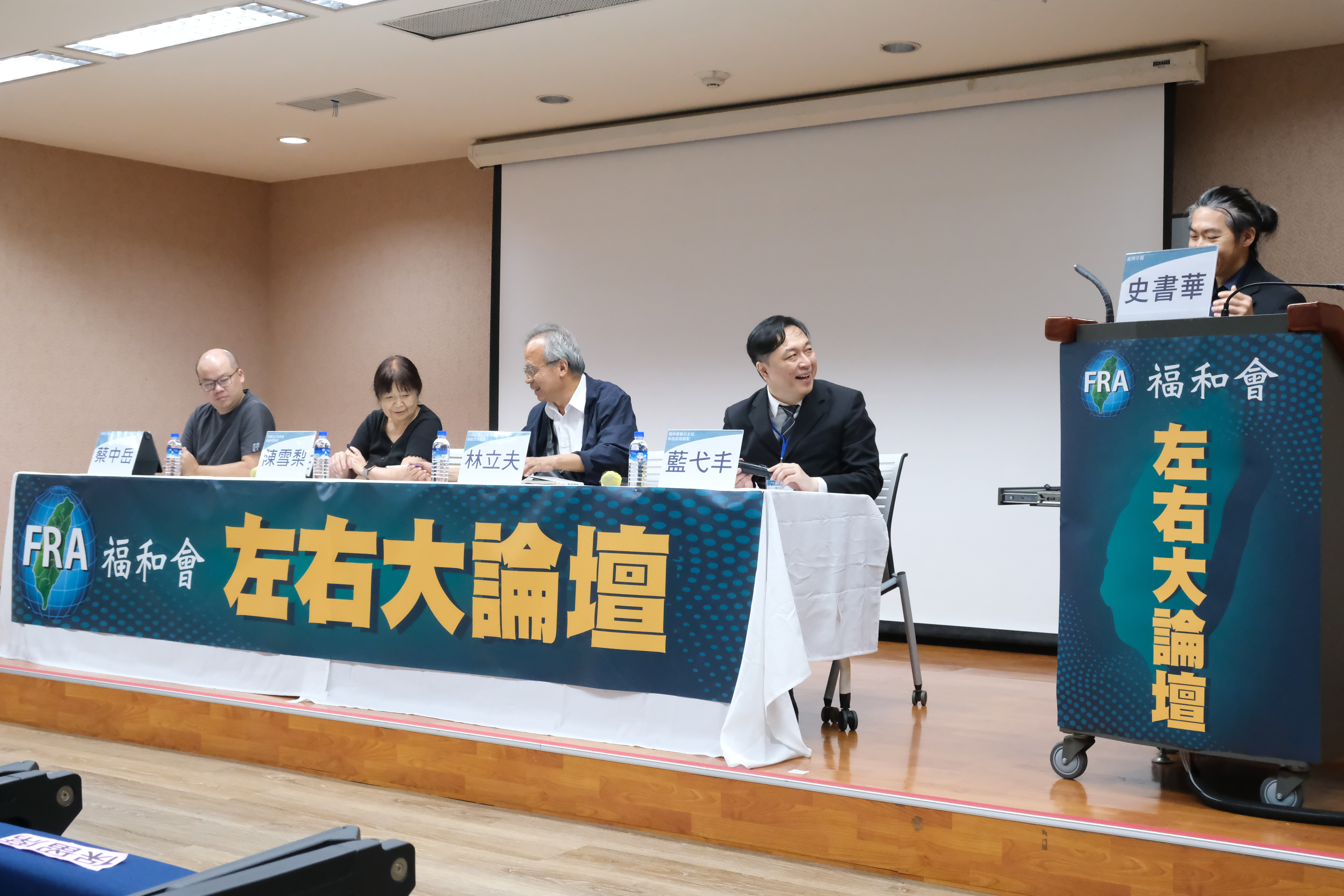
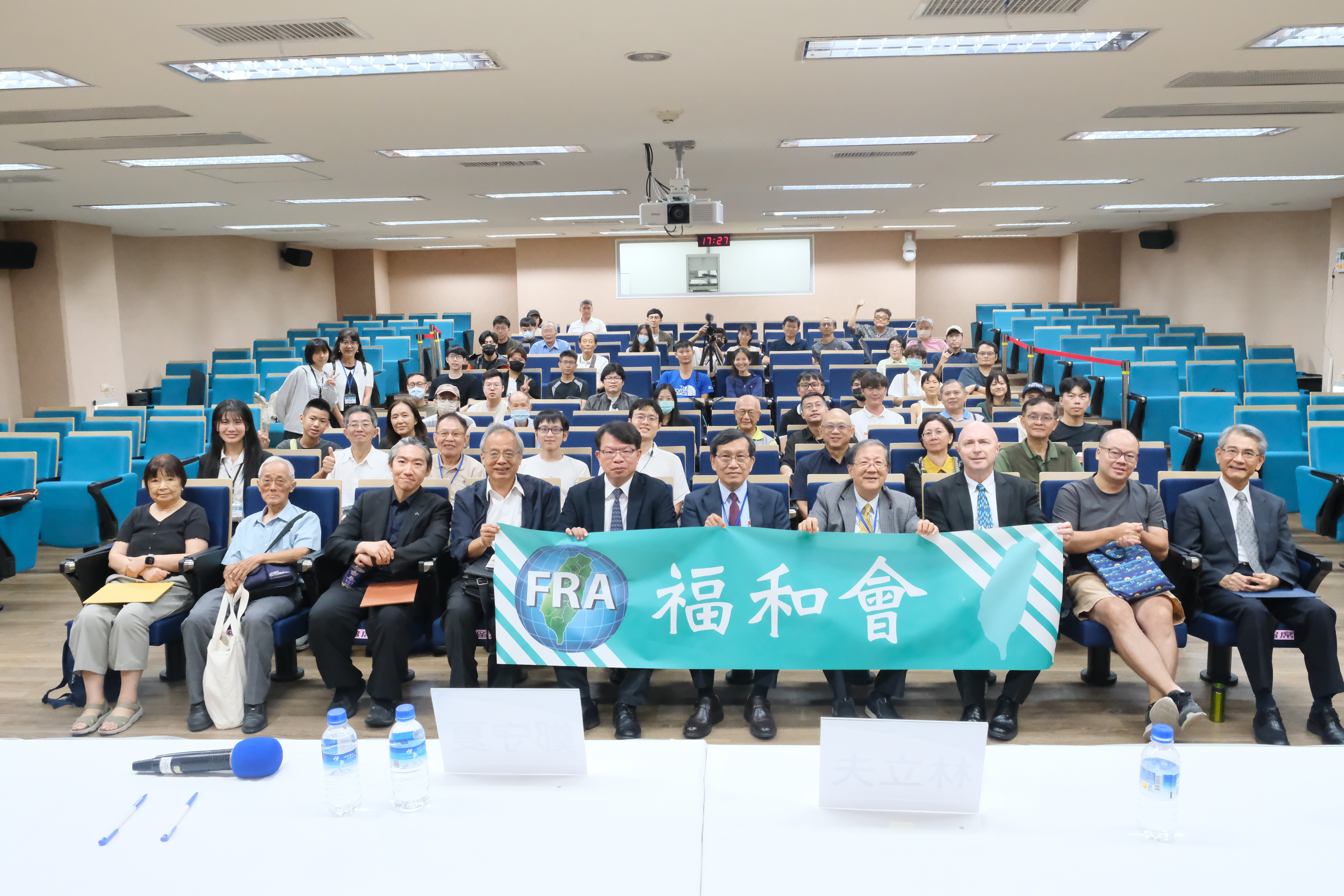
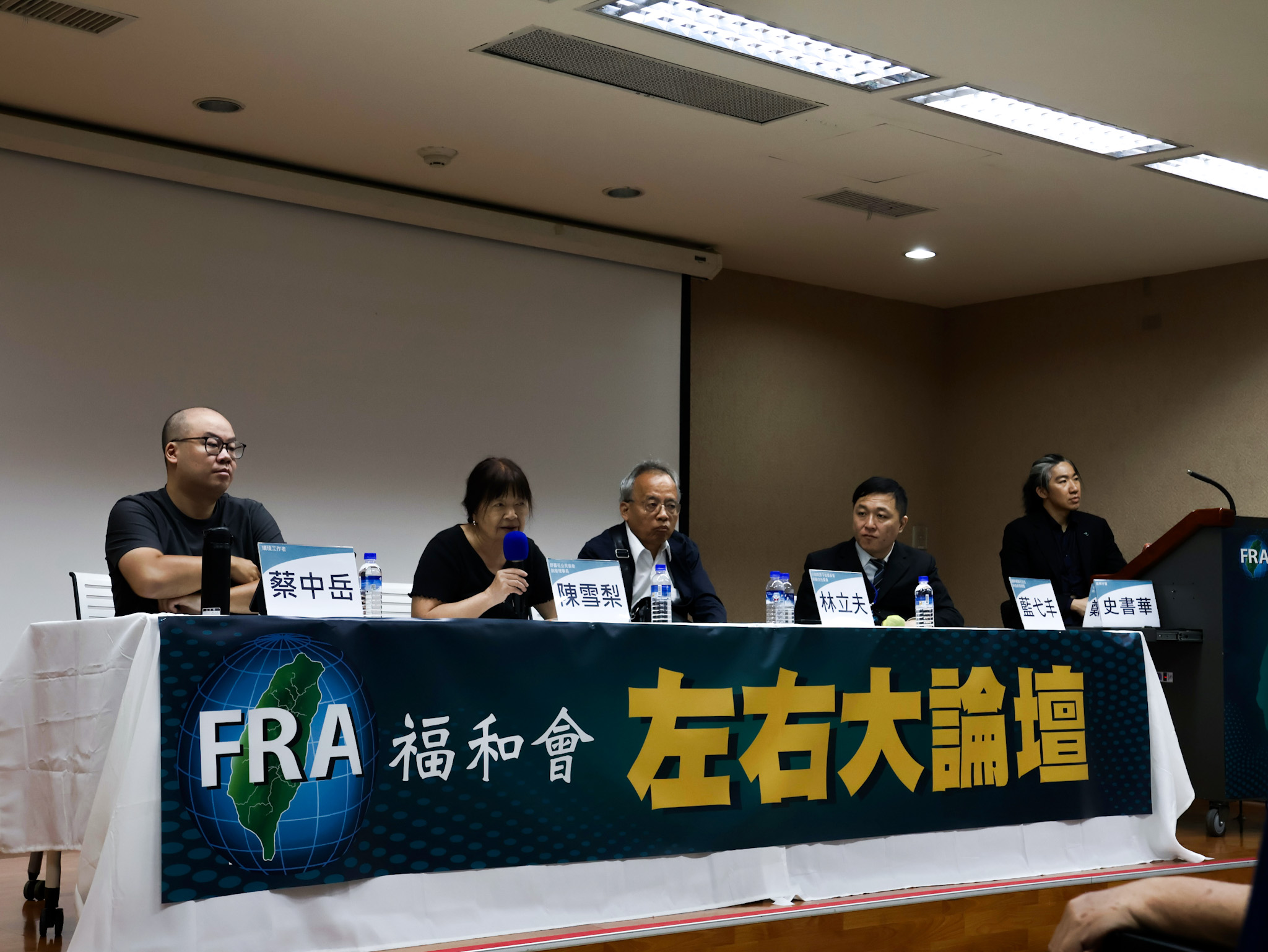
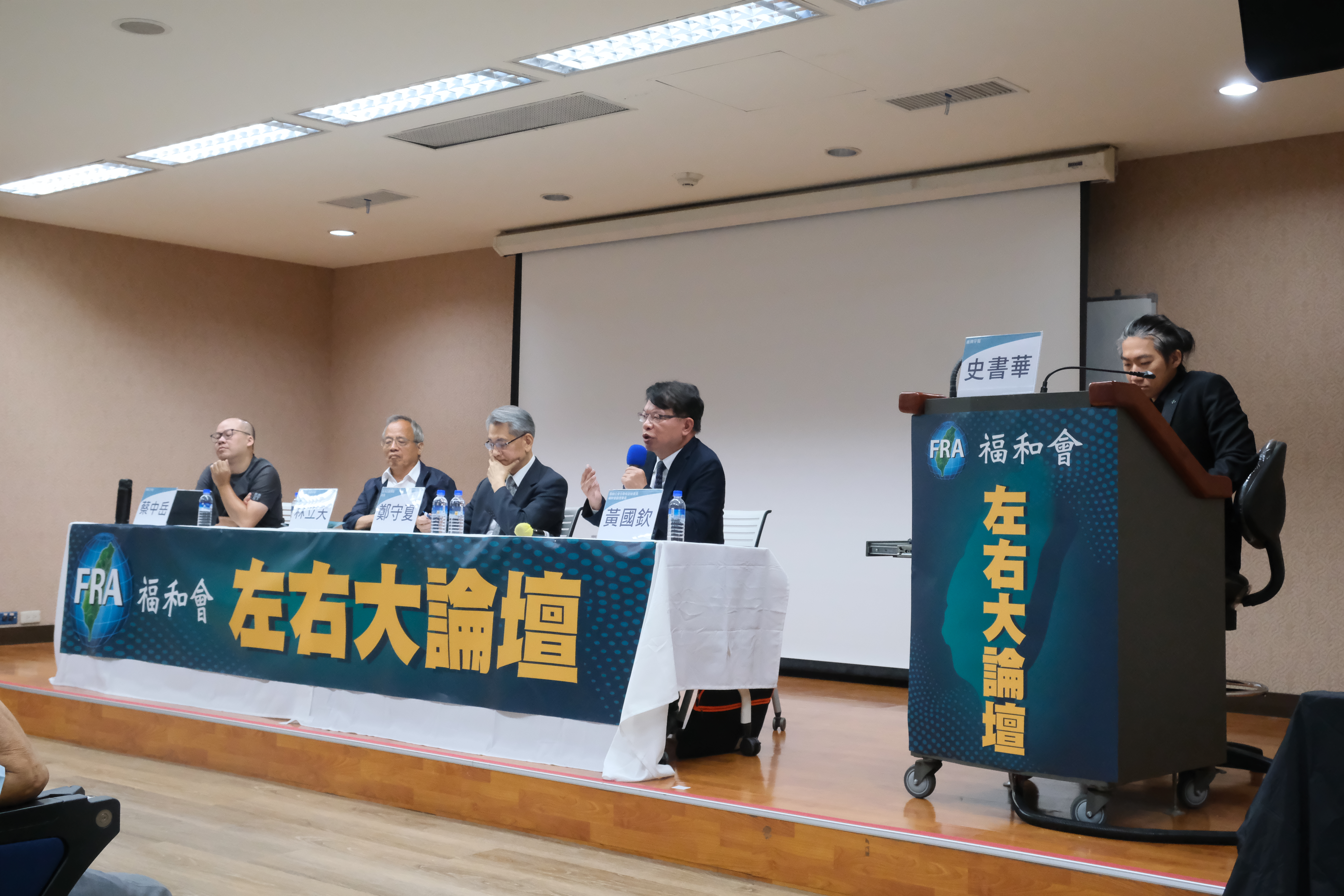
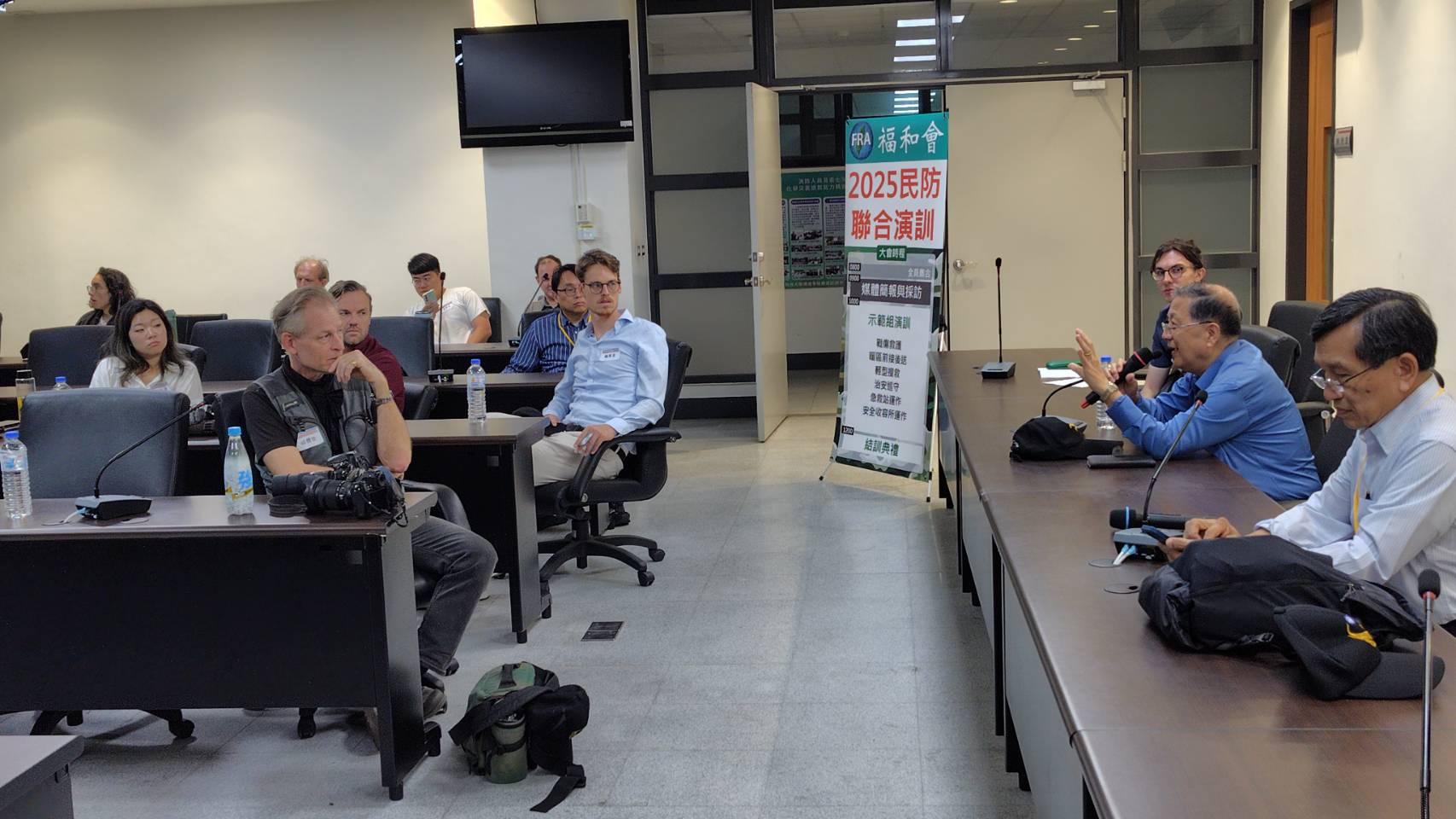
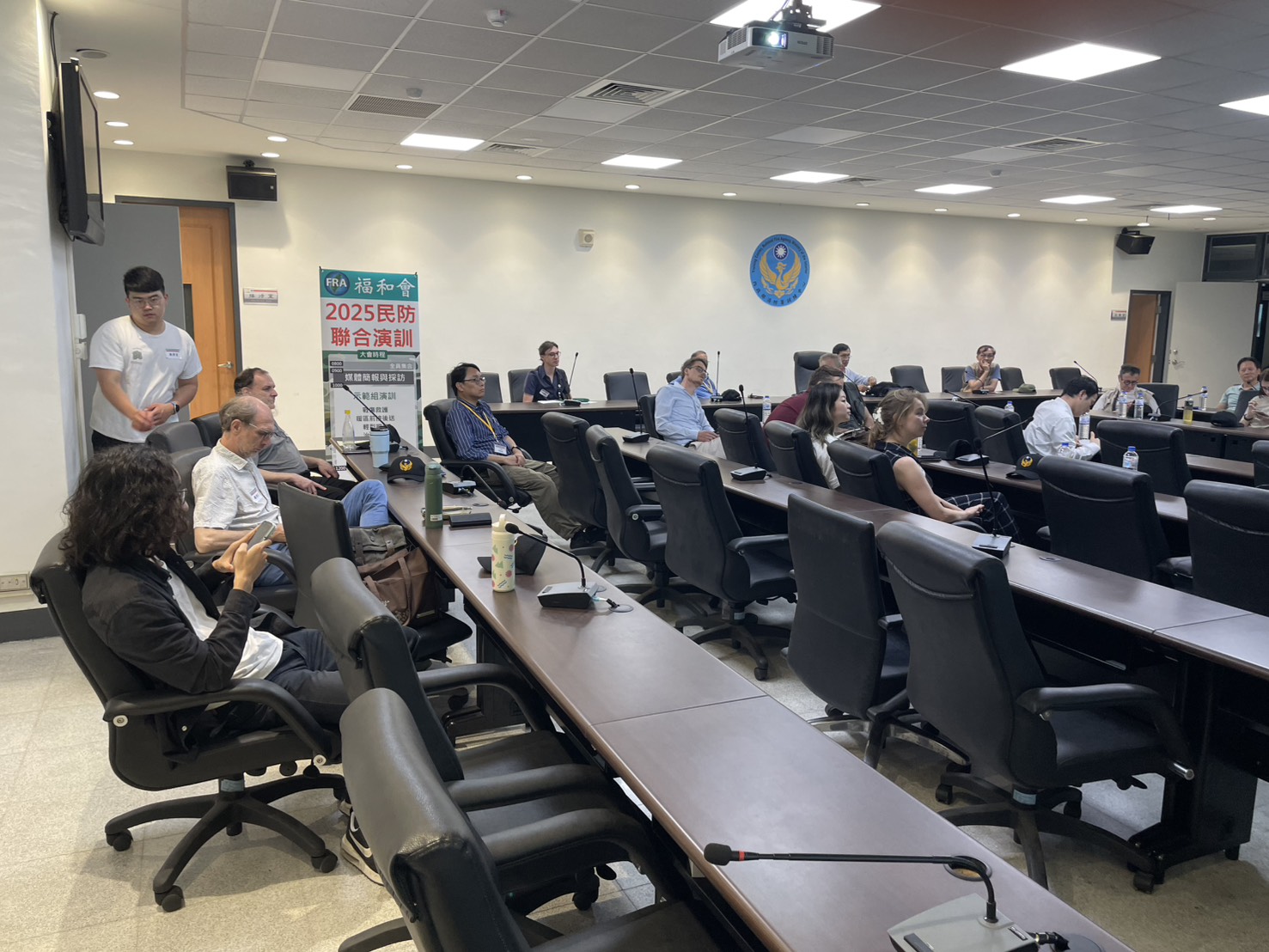
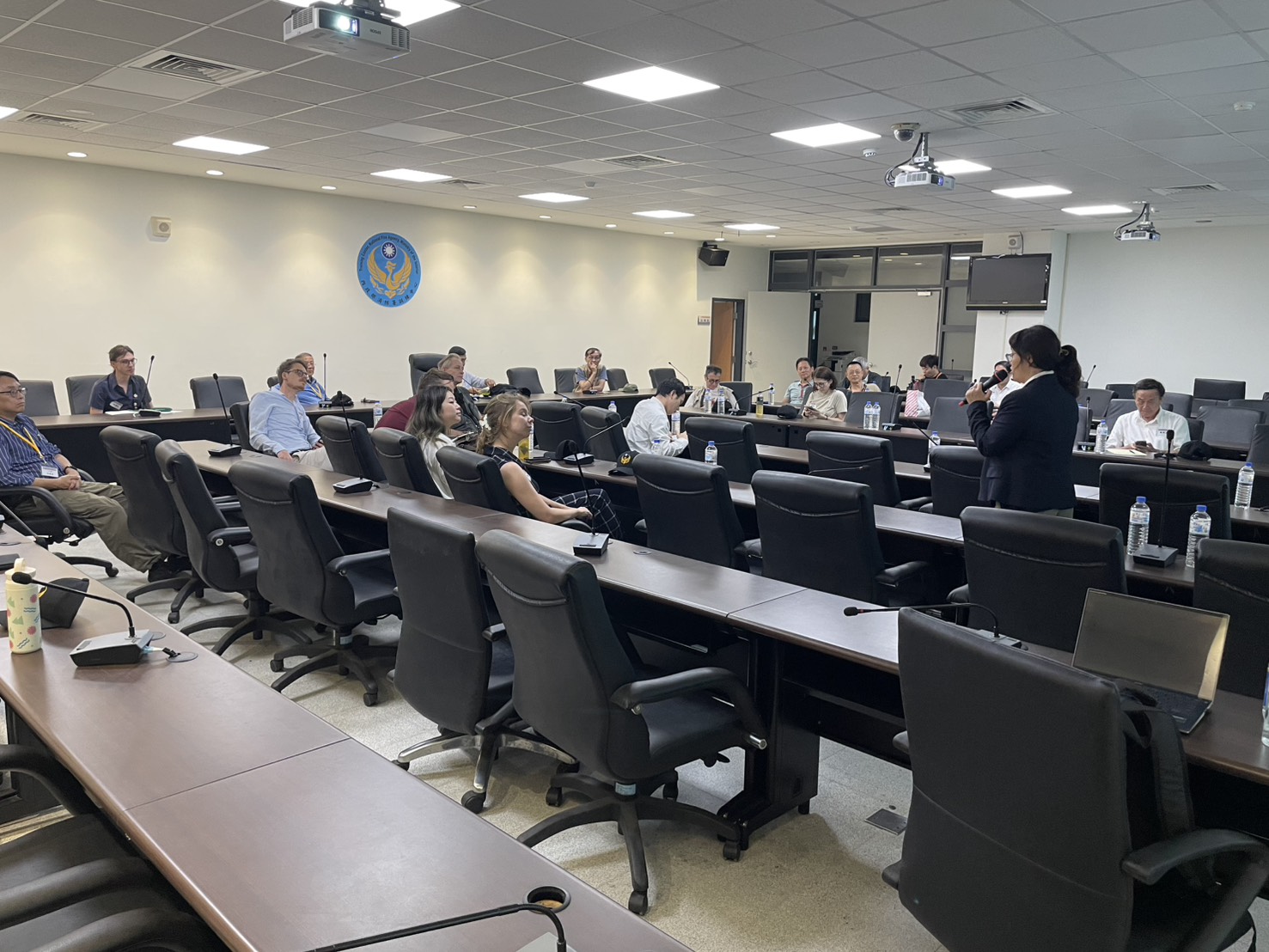
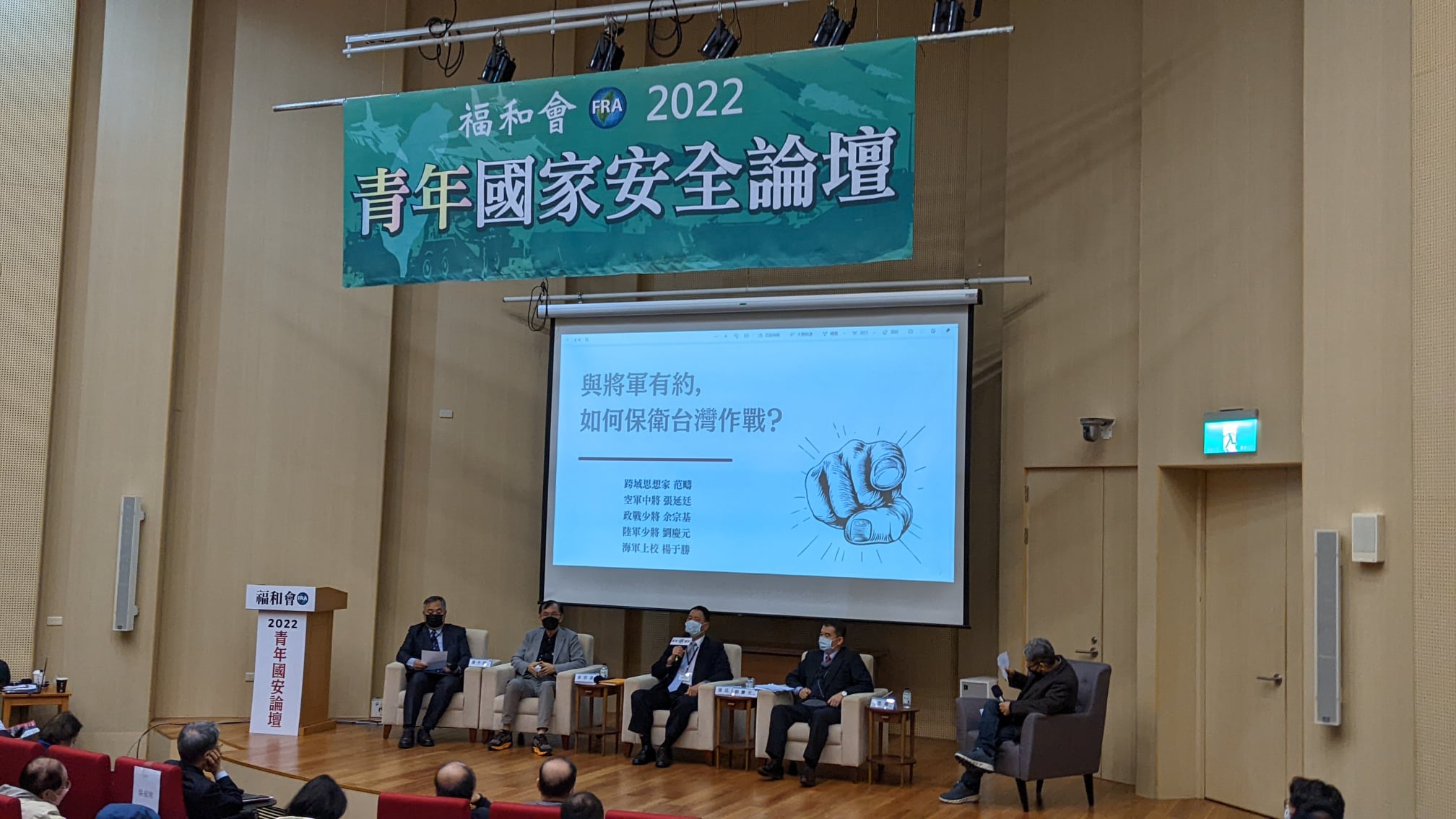
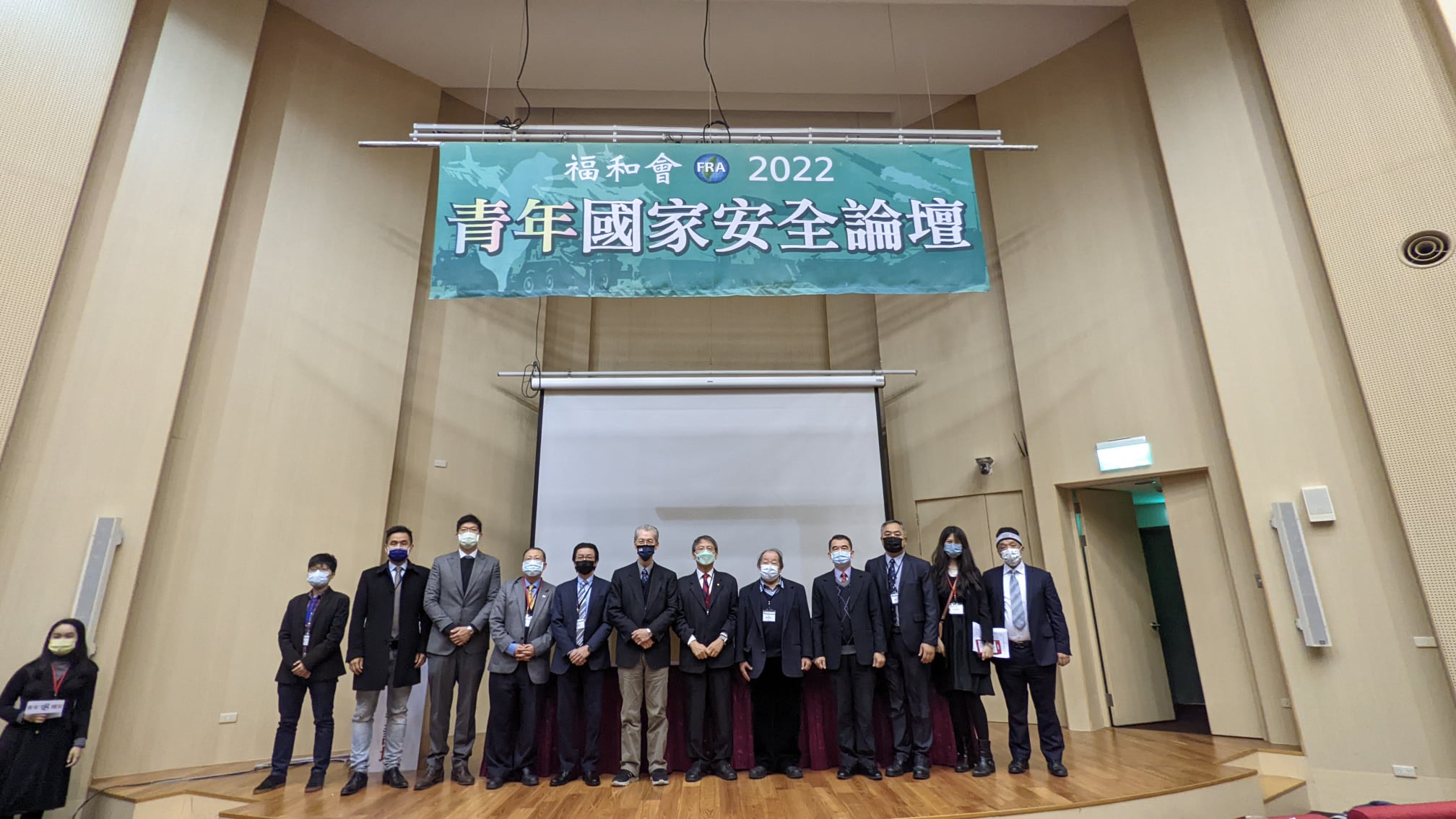
On October 18, the FRA held the second session of its “Left and Right Forum” series at the National Taiwan University College of Public Health. Centered on energy policy and the healthcare system, the event brought together experts, scholars, and civil society representatives to explore how Taiwan can balance efficiency and equity while facing the pressures of resilience needs, environmental challenges, and healthcare sustainability especially amid rising geopolitical tensions. Speakers pointed out that as the threat of war grows, whether Taiwan’s energy supply can meet wartime demands and whether its medical and pharmaceutical systems can keep operating during conflict have become tests of institutional strength and policy choices.
Fossil Fuels, Green Energy, Nuclear Power: A Three-Way Contest
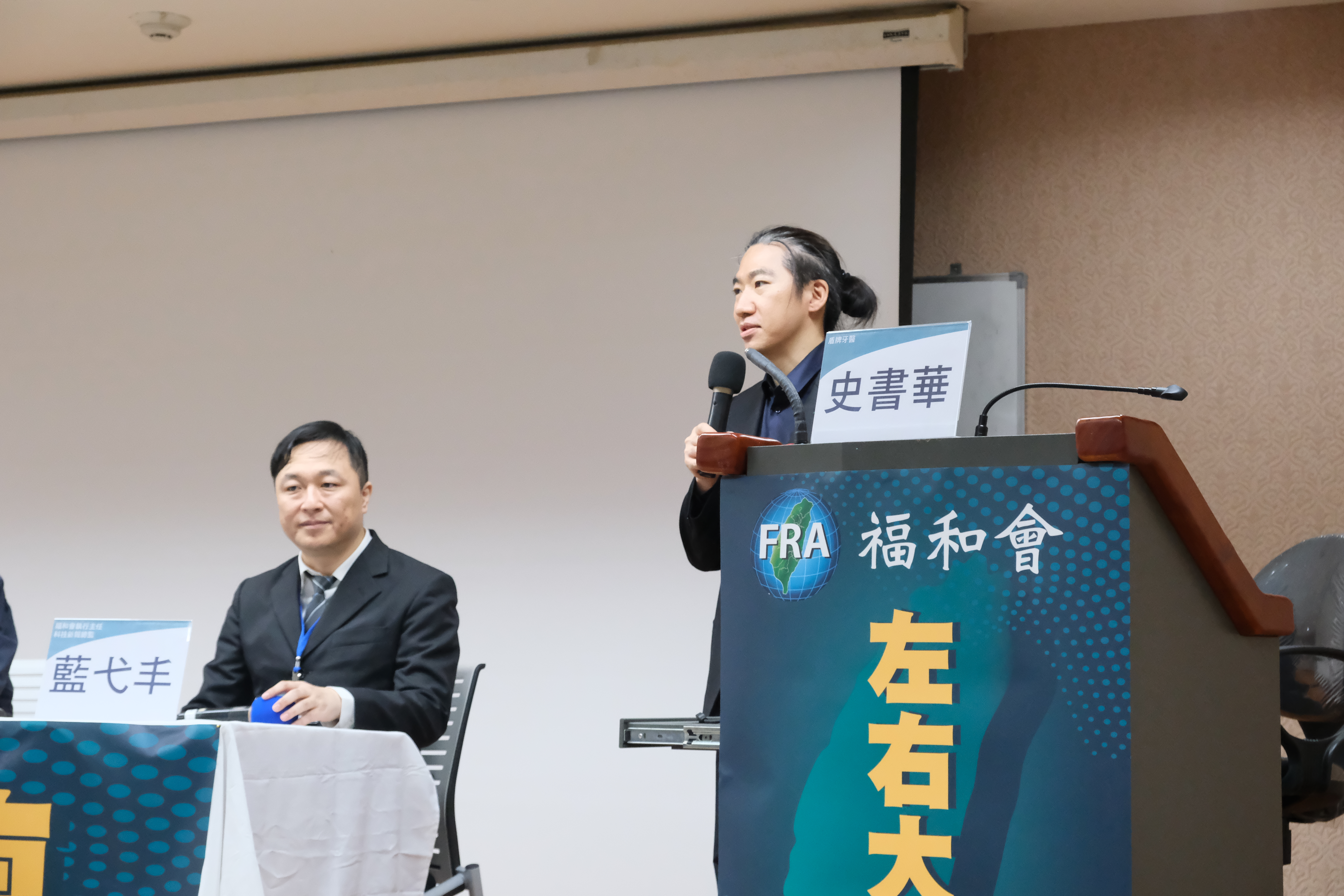
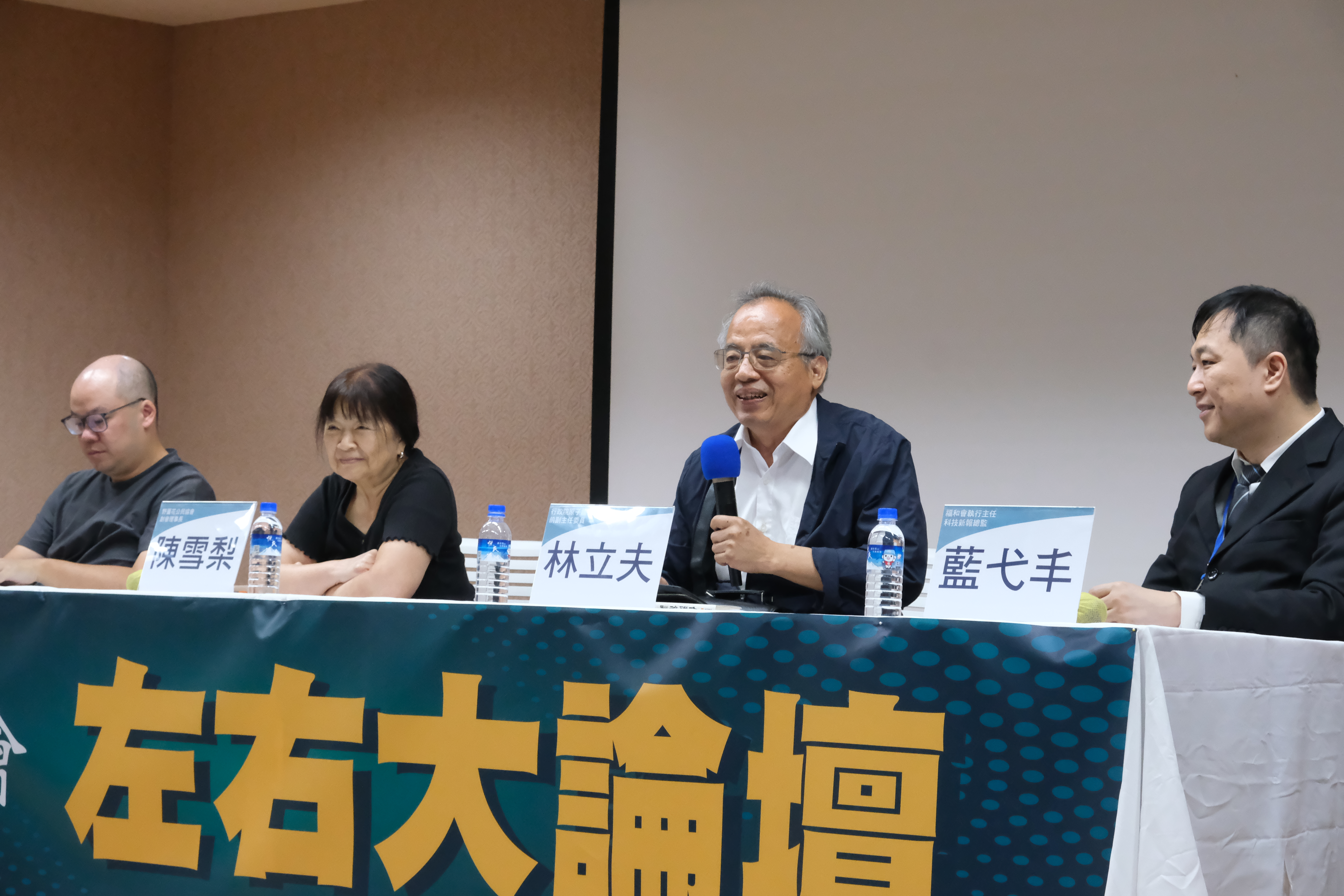
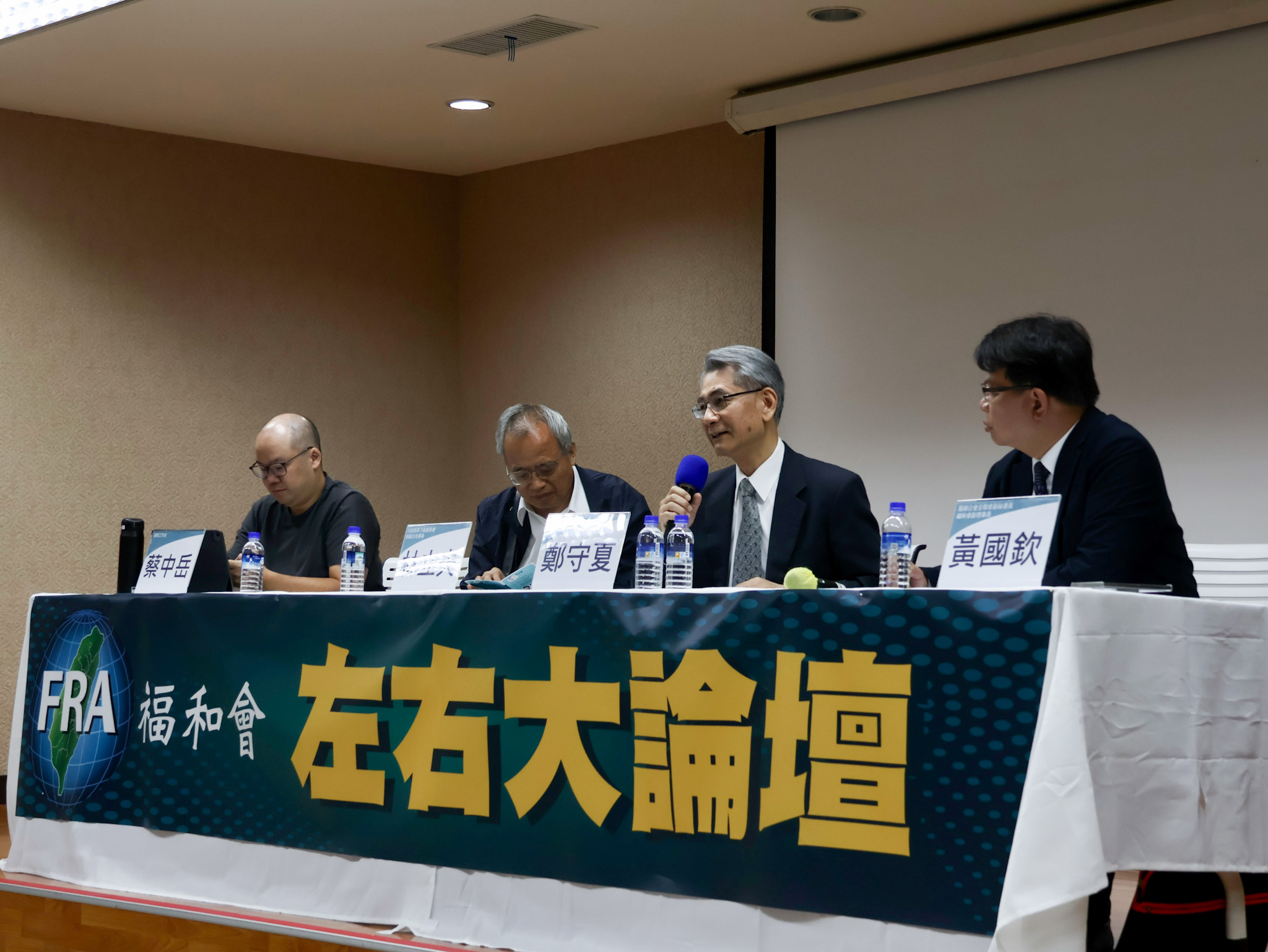
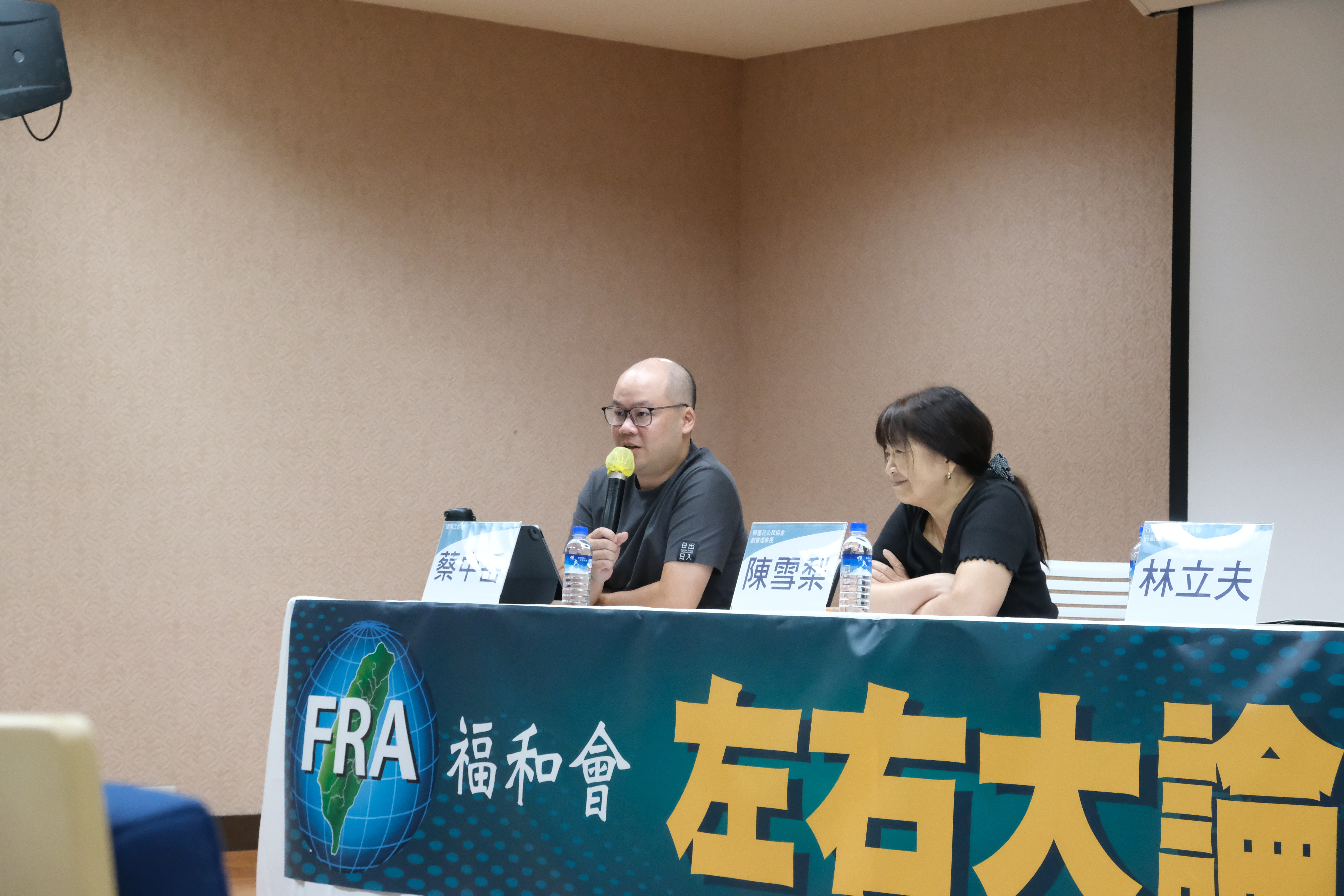
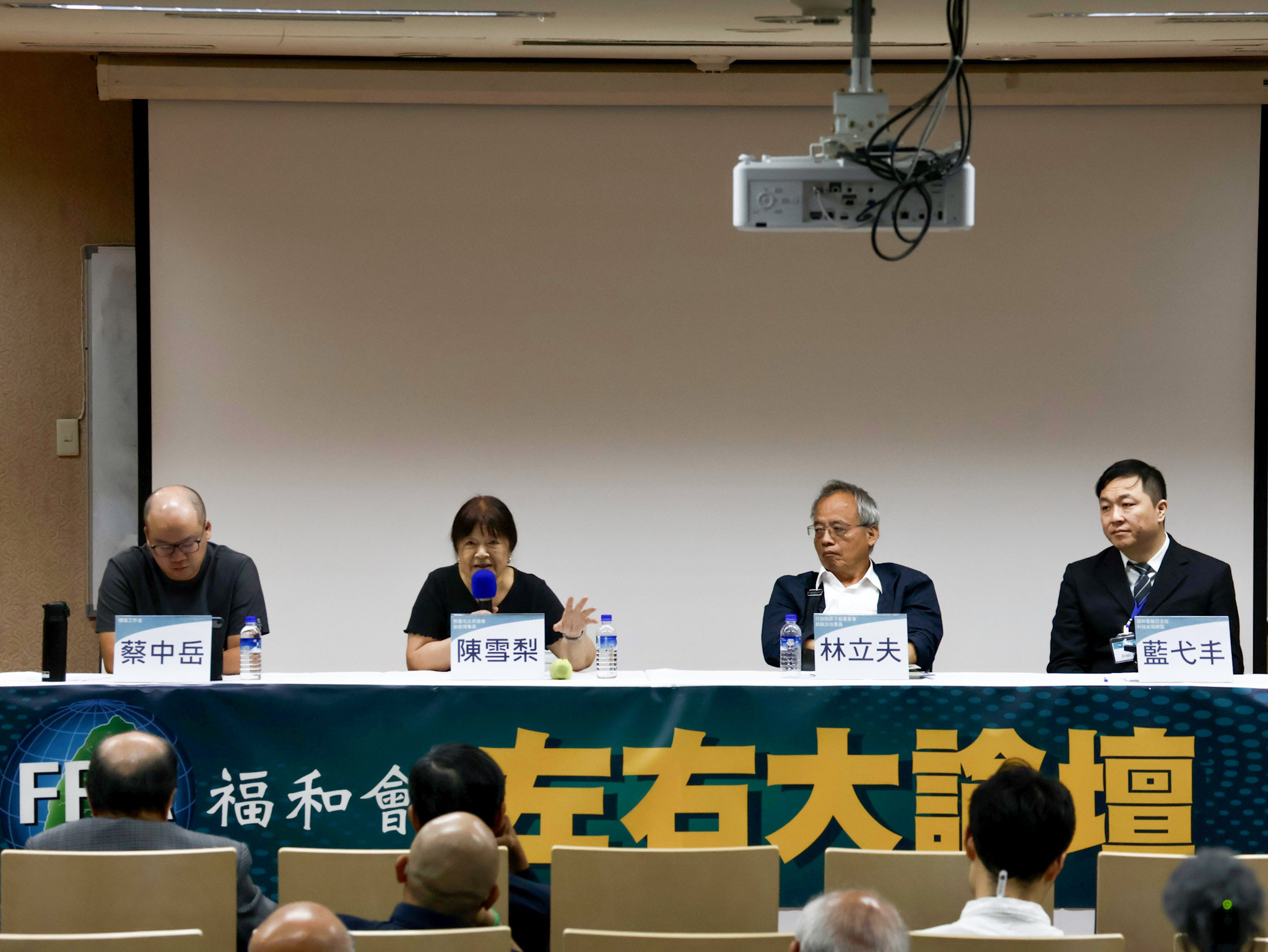
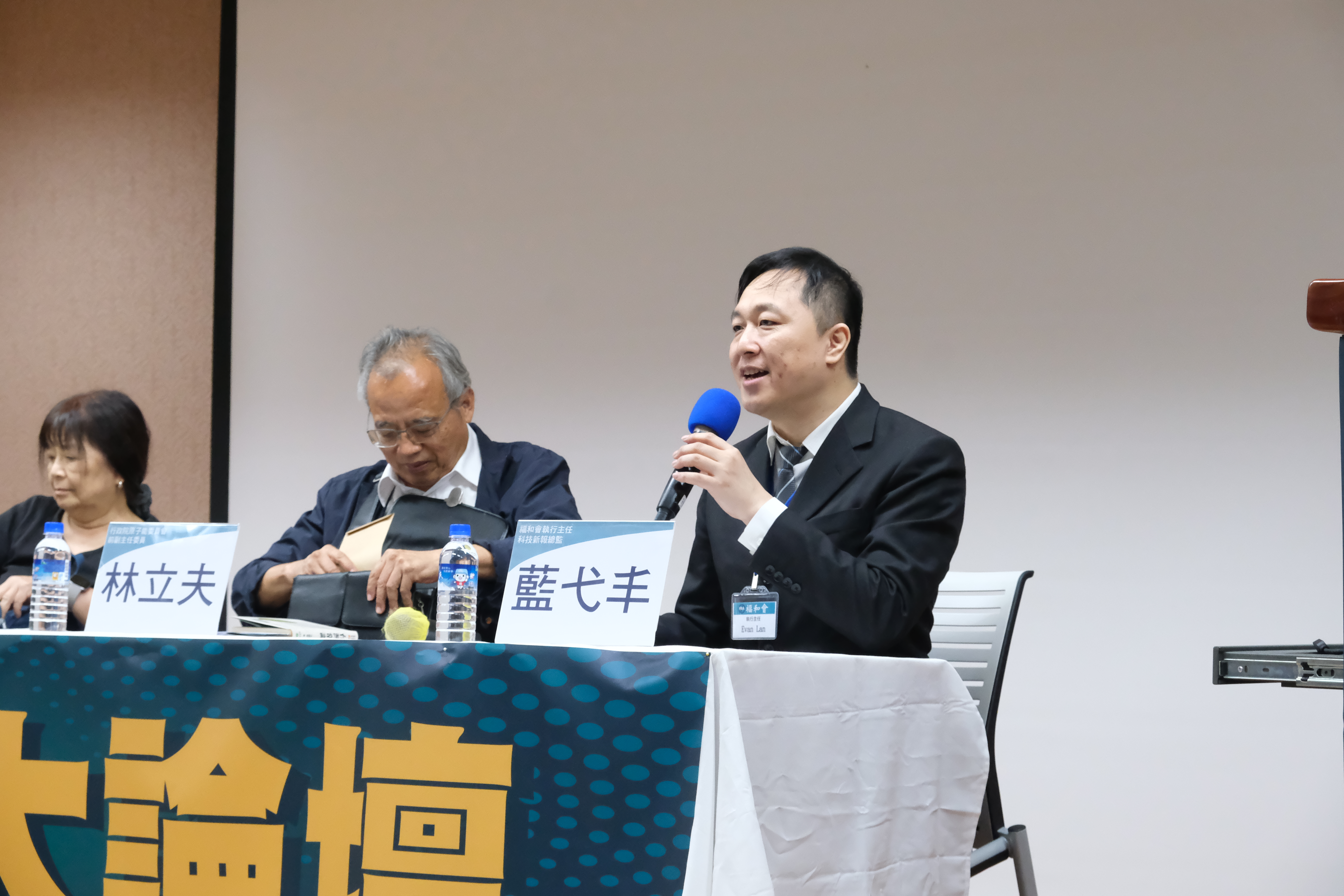
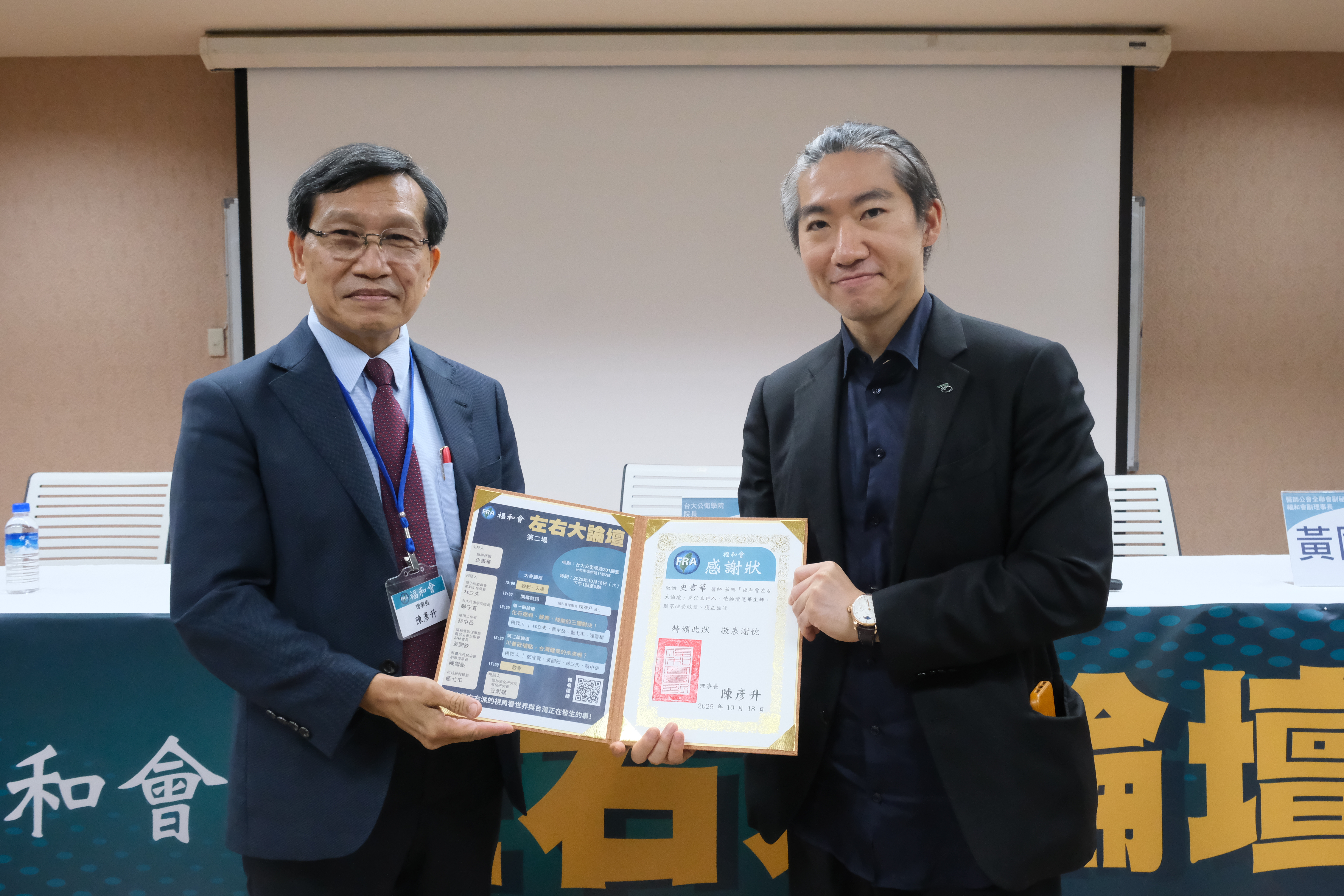
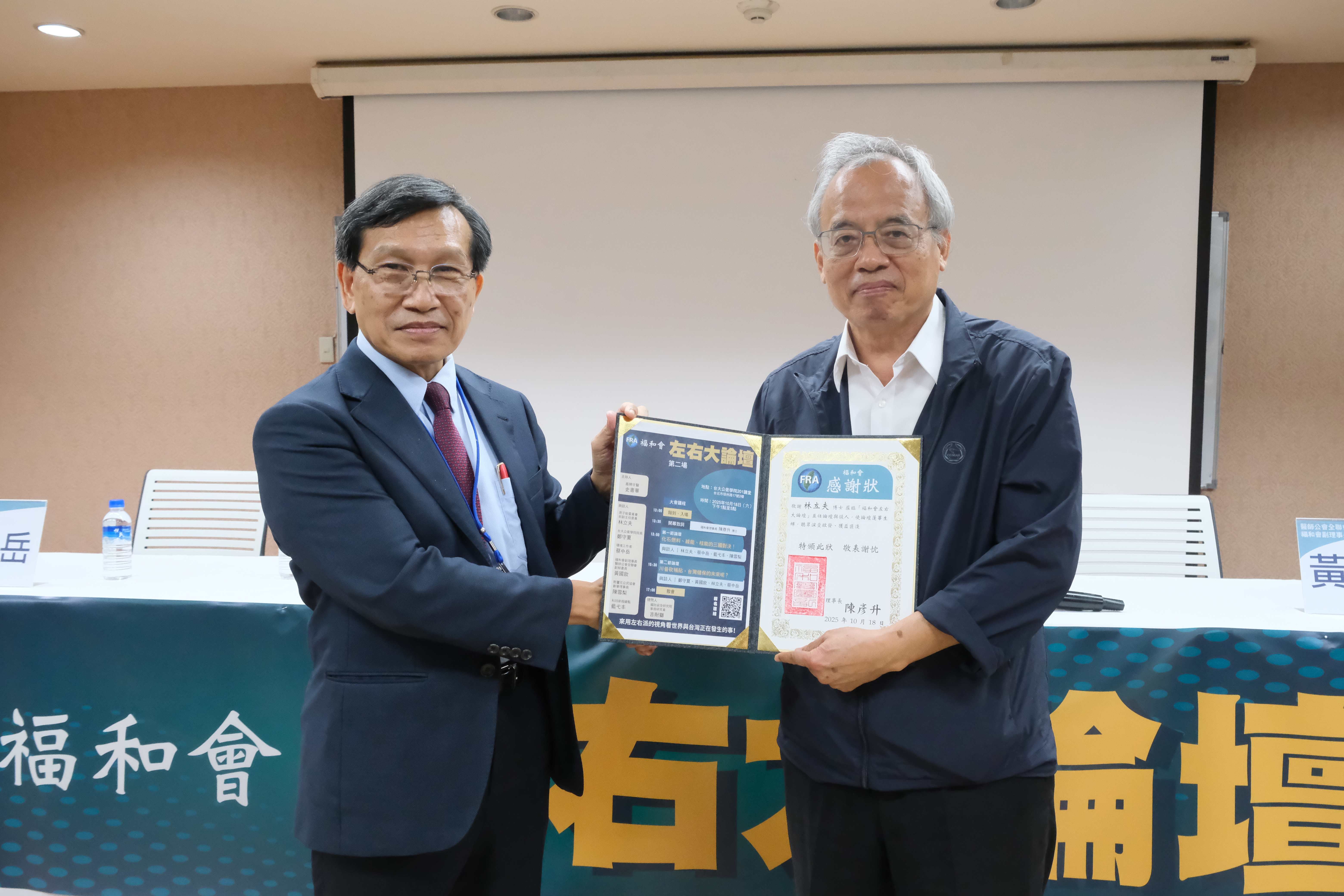
The first half of the forum, moderated by dentist and social activist Shih Shu-hua, focused on energy issues. Panelists included Lin Li-fu, former Deputy Director of the Atomic Energy Council; Lan Yi-feng, Executive Director of the FRA; Tsai Chung-yueh, veteran environmental activist; and Chen Hsueh-li, Executive Director of the Citizens Association for Public Policies. Their discussion drew from perspectives on nuclear safety, green energy transition, and energy independence to examine the tensions between carbon reduction, economic development, and safety. FRA Executive Director Lan Yi-feng noted that while Taiwan often views politics through a blue–green lens, the real framework for public policy discussion internationally operates on a left-right model. According to him, “Only by understanding left and right can we understand the language of international politics and media.” He cited The New York Times as an example of a self-identified left-leaning publication whose stance readers should be aware of.
Tracing the global energy context, Lan explained that during the Cold War, most right-leaning groups supported nuclear power while left-leaning groups opposed it. However, as decarbonization became a major issue in the 2000s, parts of the Western left shifted toward supporting nuclear energy as a means of reducing carbon emissions. In contrast, much of Taiwan’s anti-nuclear movement has retained their stance. Lan argued that energy choices should return to data and cost-based analysis (such as Levelized Cost of Energy, or LCOE). Both pro- and anti-nuclear stances can stem from different values, such as from reducing carbon emissions (left), or from seeking efficiency and security (right). “The conclusion may be the same, but the motivations differ,” he concluded.
He also explained the “duck curve” and the causes of NOx pollution, reminding the audience that what Taiwan refers to as “dirty energy” points to air pollution, while the international left primarily uses the term to refer to carbon emissions.
Lin Li-fu, former Deputy Director of the Atomic Energy Council, cautioned against viewing energy debates as a “Three Kingdoms” rivalry and instead called for a “Three Allies” cooperative approach. He proposed three guiding principles: low electricity prices, energy security and resilience, and a low-carbon transition.
On electricity pricing, Lin noted that Taiwan’s policy of keeping residential rates lower than industrial rates reflects a left-leaning emphasis on equity, whereas countries like Japan and Germany adopt market-based systems where industrial users pay lower rates due to high consumption. This difference, he said, illustrates the divide between left and right economic philosophies.
He warned that Taiwan must keep overall electricity prices reasonable and affordable to maintain industrial competitiveness, or risk weakening its manufacturing and export foundations. Taiwan’s natural gas reserves currently cover only 11–14 days of use, far below South Korea’s and Japan’s 30–46 days, posing a key vulnerability in energy resilience. He called on the government to prioritize energy risks and build a more stable and diversified reserve system.
Using LCOE benchmarks, Lin estimated that the ideal cost of power generation should be NT$1.5–4.5 per kWh (roughly US$50–150 per MWh), a range that balances affordability and competitiveness. While Taiwan has not yet met this target due to lagging technology and immature industries, it holds major potential in renewable energy such as ocean thermal, marine current power, and geothermal energy and even ranks among the world’s top three in some such areas. Combined with its semiconductor expertise, Taiwan could develop globally competitive industries if it leverages domestic strengths and adopts new technologies. “In an AI and digital era, electricity prices are national power,” Lin concluded, emphasizing that energy policy should first ensure reliable and affordable electricity for industry.
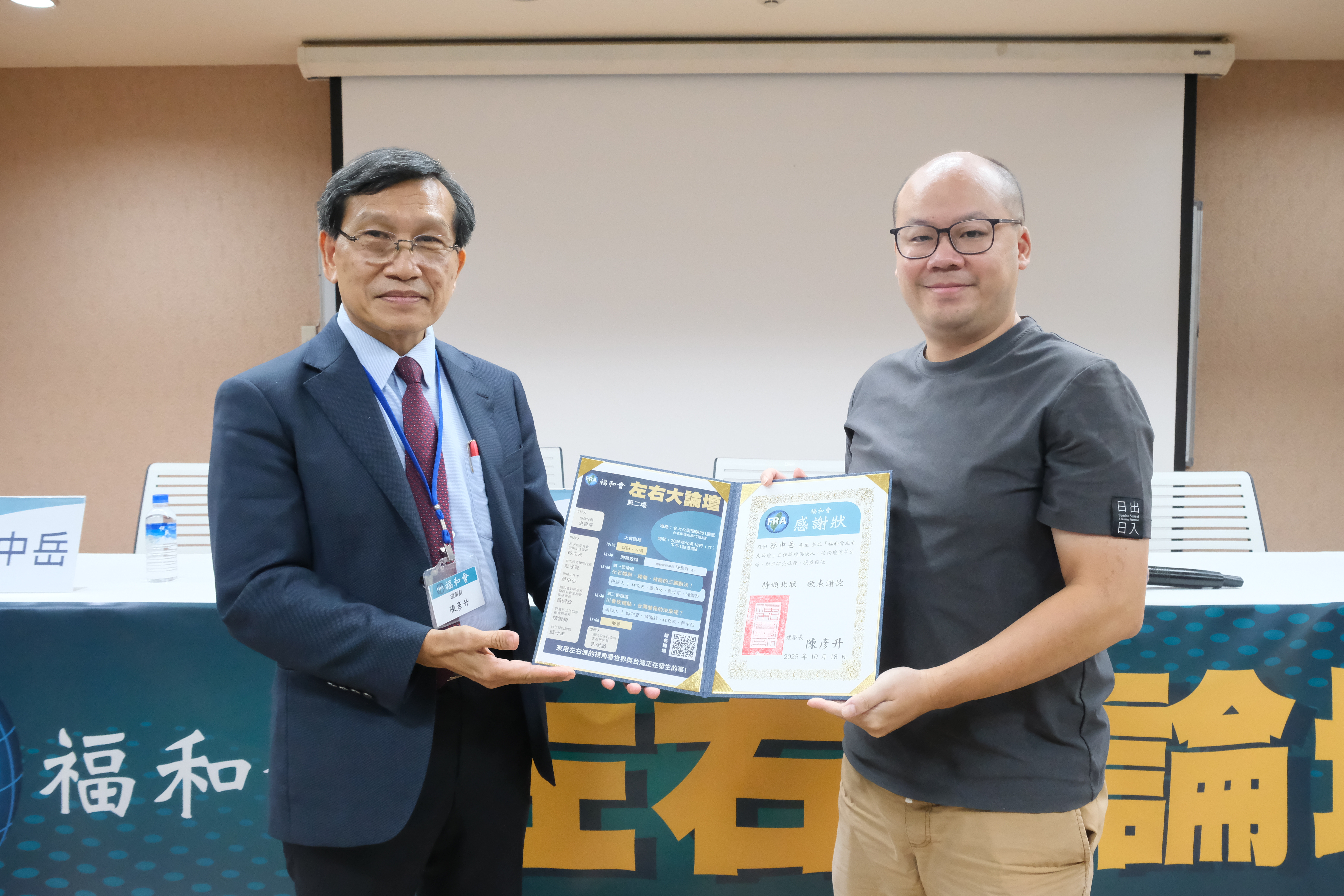
Environmental activist Tsai Chung-yueh highlighted “secondary peak-hour” risks, noting that Taiwan’s greatest energy strain occurs from 6–10 P.M., and not midday in summer. Solar energy can ease the midday load, but energy storage and pumped hydroelectricity are needed after sunset. Recent blackouts, he argued, stem mainly from grid fragility and transmission issues, not generation shortfalls, and decentralized systems with renewable and storage capacity can operate even after disasters, demonstrating greater resilience.
He pointed out that energy policy cannot rely on a single solution, and a mixed portfolio is widely recognized as essential. The main energy debate, then, centers more on nuclear power. LCOE calculations, he warned, can be misleading if they exclude backend and waste disposal costs. Taiwan currently lacks a permanent nuclear waste site, and uncertainties around nuclear back-end funding and regulatory changes must be addressed. Additionally, he pointed out that given Taiwan’s dense population and seismic activity, new nuclear plants, as well as the extended use of existing plants, face heightened safety and social challenges.
On geopolitical risks, Tsai urged rethinking energy models under a “blockade scenario,” explaining that if exports stop and industrial power demand falls, overall load patterns would shift. In such cases, locally available renewable energy and storage systems would become vital strategic energy sources for sustaining essential functions.
Chen Hsueh-li, of the Citizens Association for Public Policies, called geothermal energy Taiwan’s most overlooked but scalable local resource. She cited geological surveys showing high potential for geothermal development if the country adopts a de-risking pathway of systematic exploration followed by drilling and demonstration. She pointed out that an initial NT$3 billion investment in exploration could dramatically raise success rates, a small but crucial cost compared to the NT$530 billion used for gas conversion.
She noted that US data centers increasingly use self-supplied power, applying oil and gas technologies to new-generation geothermal (EGS) systems and rapidly reducing costs. Geothermal and small modular reactors (SMRs) are now emerging as parallel options, but SMRs face uncertain timelines and waste issues, making geothermal timelier and more accessible for Taiwan. She recommended launching national exploration and demonstration projects in high-potential regions such as the northern volcanic zones, offshore areas, and the Lanyang Plain (also known as the Yilan Plain).
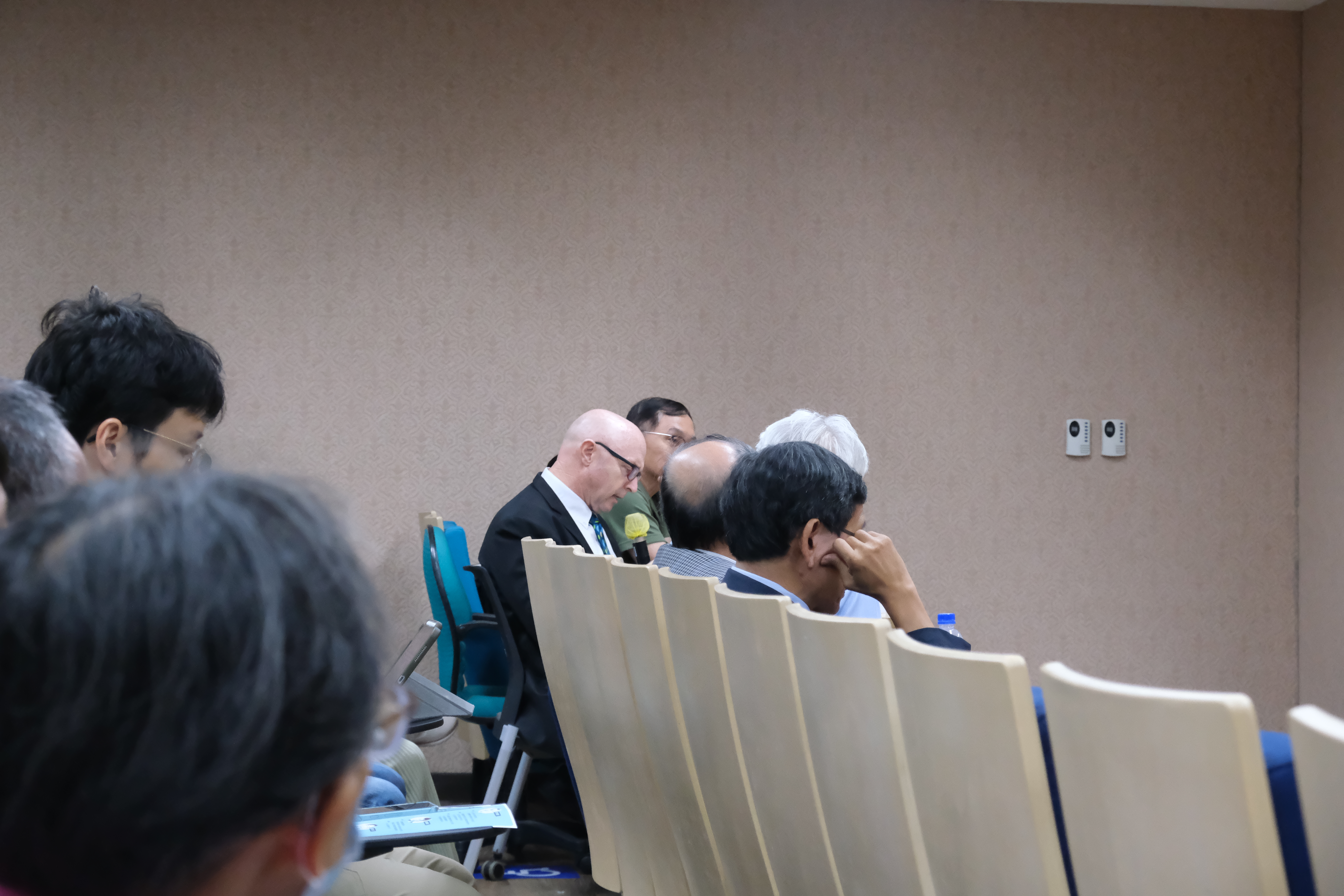
Guest speaker Guermantes Lailari, a visiting scholar at the Institute for National Defense and Security Research, raised concerns about the surging electricity demand from AI and semiconductor manufacturing, wartime energy security, and Taiwan’s reliance on Chinese energy technologies. Panelists responded that energy conservation could ease demand, with industrial energy savings of 30% able to stabilize overall consumption. On China’s dominance in renewable and nuclear equipment, they suggested building short-term reserves while developing local industries and international partnerships over the medium and long term to reduce dependance. Additionally, they explained that under wartime or blockade conditions, instead of sheer generation volume, distributed generation and storage would be key to maintaining essential power and communications.
At the Crossroads of Fairness and Efficiency: Healthcare Sustainability and Social Resilience
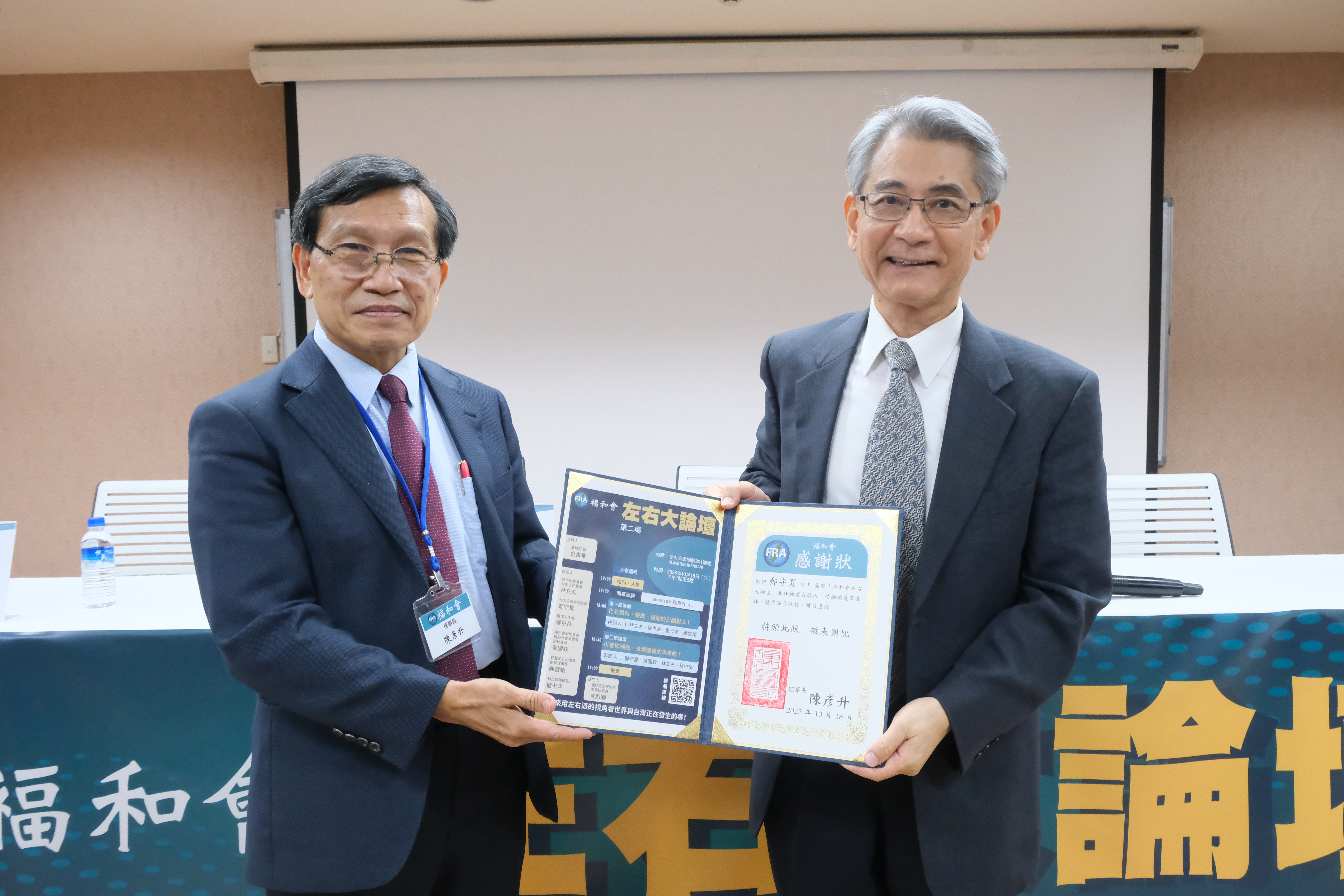
The second half of the forum turned to healthcare, featuring NTU College of Public Health Dean Cheng Shou-hsia and Taiwan Medical Association Deputy Secretary-General Huang Kuo-chin, as well as prior panelists Lin Li-fu and Tsai Chung-yueh who offered perspectives as professionals from outside the medical establishment. Moderator Shih Shu-hua also shared his experience with running both a private dental clinic and a National Health Insurance (NHI) clinic.
Dean Cheng Shou-hsia noted that Taiwan’s NHI is fundamentally left-leaning—government-led and emphasizing fairness and accessibility. Yet aging demographics, a shrinking workforce, and rising costs from new drugs and technologies are creating financial strain on the system. While satisfaction with NHI remains high, this “high satisfaction–low payment” paradox reduces reform incentives, threatening sustainability. He urged the government to reassess funding and payment models, align spending with international benchmarks, and gradually shift from case-based to outcome-based payments, rewarding medical results rather than service volume. Alongside this shift, he said reasonable co-payments should be implemented to improve resource efficiency. Cheng also stressed the importance of social resilience during conflict and crises. While large hospitals perform mass-casualty drills, the real risk lies in disruptions to food, water, power, and medical supplies. Public hospitals, he said, should form the backbone of wartime healthcare capacity, and inter-ministerial coordination must support this model to strengthen systemic resilience.
Huang Kuo-chin, FRA Vice Chair and practicing physician, argued that while Taiwan’s NHI is labeled “social insurance,” in practice it has become highly welfare-oriented, with heavy government subsidies and political interference making it a hybrid of social insurance and welfare policy. He warned that public satisfaction masks deep structural problems, with overreliance on low premiums and high subsidies masking financial risks.
The NHI’s budget system and declining point values have distorted price signals, lowering efficiency and creating a system where seeing more patients often means earning less. This, along with challenges in public hospital operations, has driven medical talent toward self-pay and aesthetic medicine markets. With fewer financial contributors, a large elderly population, and greater long-term care needs, revenue gaps will only widen, necessitating higher taxes or premiums. According to Huang, policy reform must apply market incentives and tiered understanding to provide medical providers and physicians with reasonable compensation and distribute financial responsibility among citizens. To address these issues, Huang proposed a “dual-track strategy.” First, expand revenue through differentiated premiums and complementary private insurance, and second, limit costs by enforcing reasonable co-payments, curbing overuse, and reducing defensive medicine. He concluded that NHI reform is not just technical; it’s a values-based choice, and Taiwan must decide honestly how much it is willing to pay for fairness versus efficiency.
Speaking from a consumer perspective, Lin Li-fu compared Taiwan’s healthcare system to Germany’s dual-track (public + private) model, emphasizing the need for transparency about service differences and waiting times. Governments, he said, should publish international benchmarks and performance data to build societal consensus on spending adjustments.
On the social worker side, Tsai Chung-yueh drew parallels with energy pricing, suggested a tiered approach to healthcare financing that ensures basic accessibility while reflecting true marginal costs for excessive use, thus preserving public resources and social cohesion. He argued that under the principle of fairness, higher-income and higher-usage groups should contribute more through pricing and taxation, and more focus should be given to the stability of care for vulnerable populations and long-term care integration.
Guest speaker Guermantes Lailari closed out the discussion by with a conversation on geopolitics, asking whether Taiwan’s healthcare system is prepared for wartime stress. He questioned whether hospitals are able to operate under bombardment or blackouts, and whether drug and medical supply chains—especially those reliant on China—have contingency plans.
Panelists replied that hospitals conduct regular mass-casualty and trauma drills, and Taiwan’s experience managing crises such as the 2015 New Taipei Water Park Explosion as well as the SARS and COVID-19 outbreaks shows solid emergency response capacity. However, public and institutional awareness of wartime contingencies remains limited. Dean Cheng Shou-hsia added that the greatest wartime challenge would likely be the loss of electricity, water, and logistical resources, testing Taiwan’s broader social resilience.
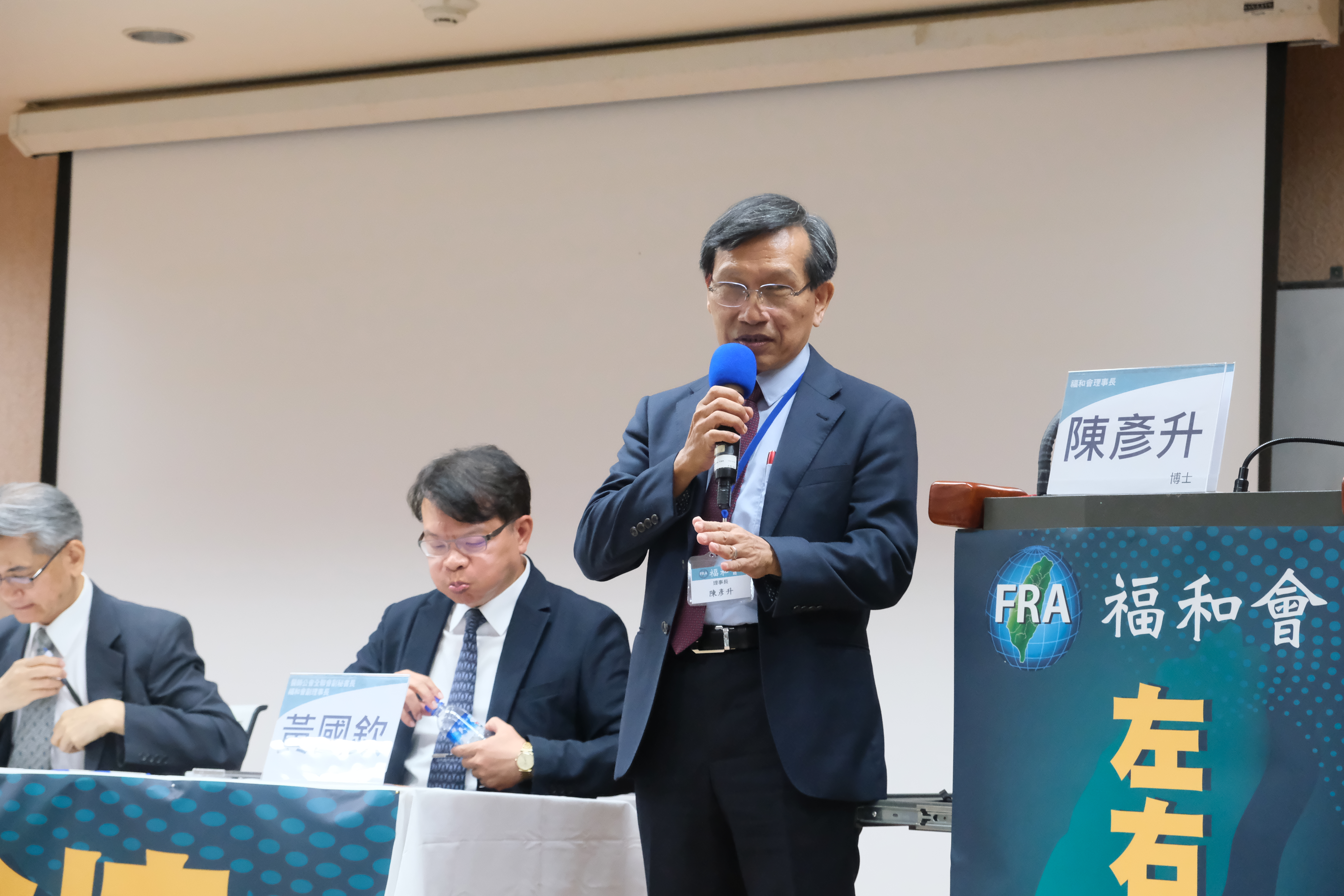
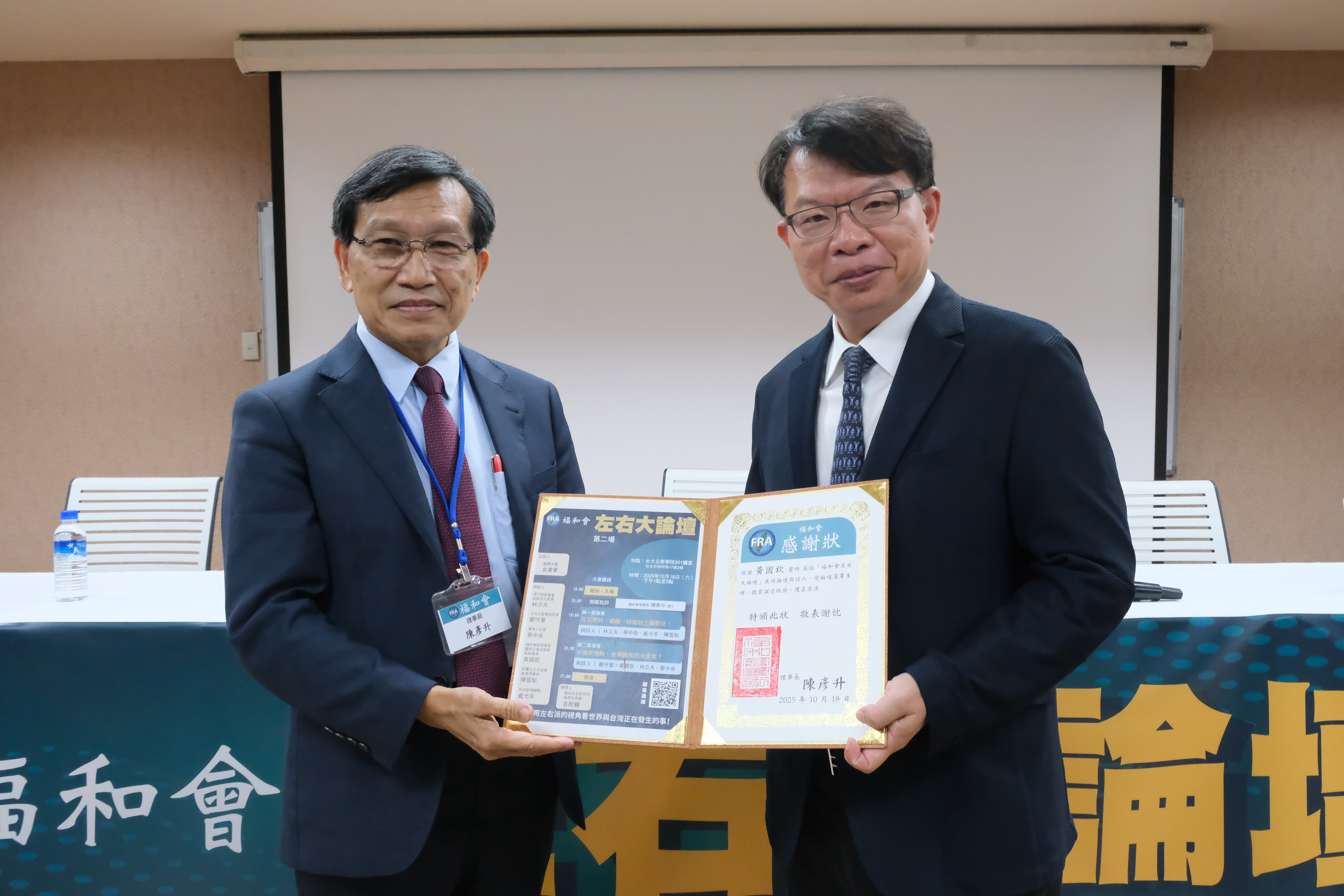
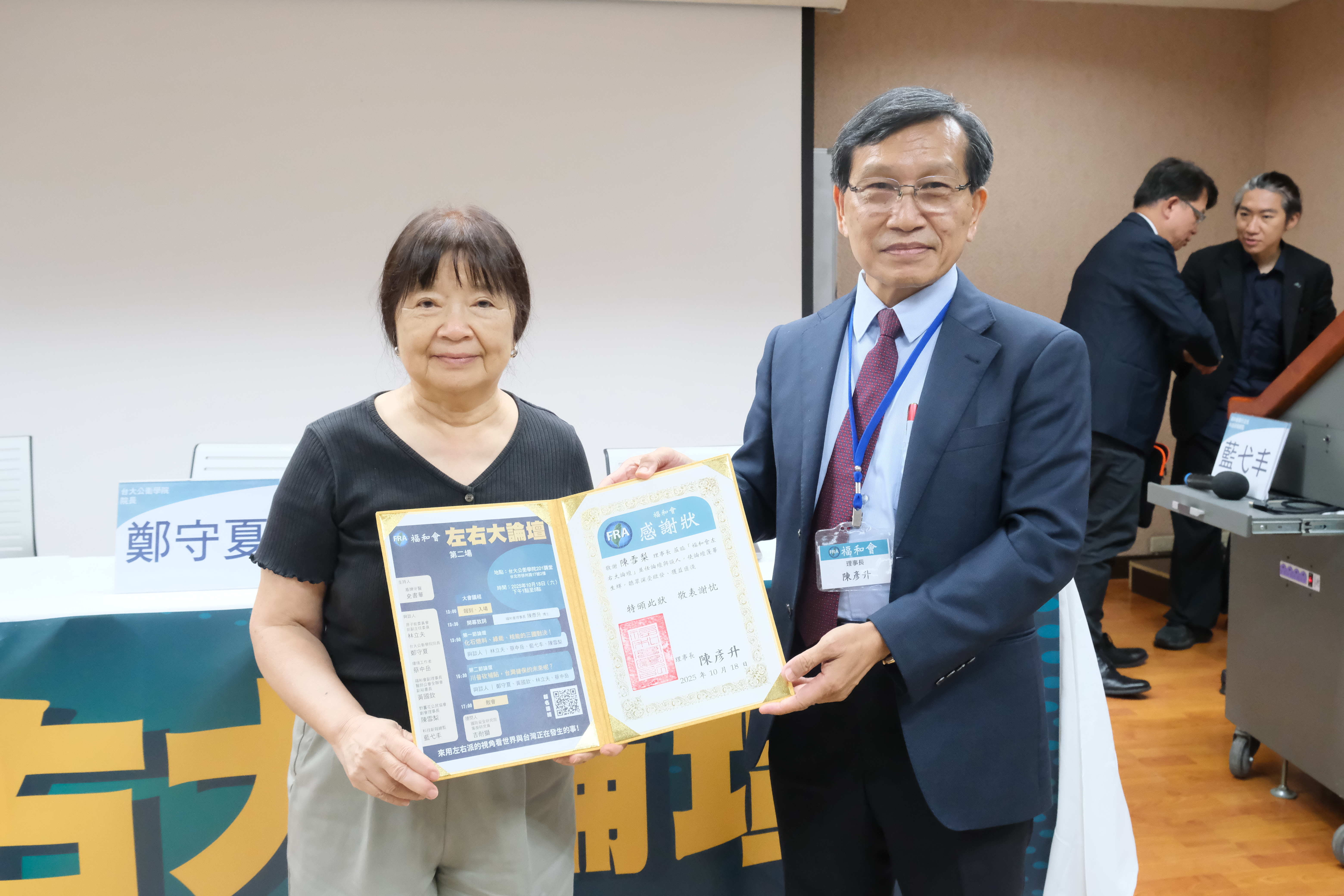
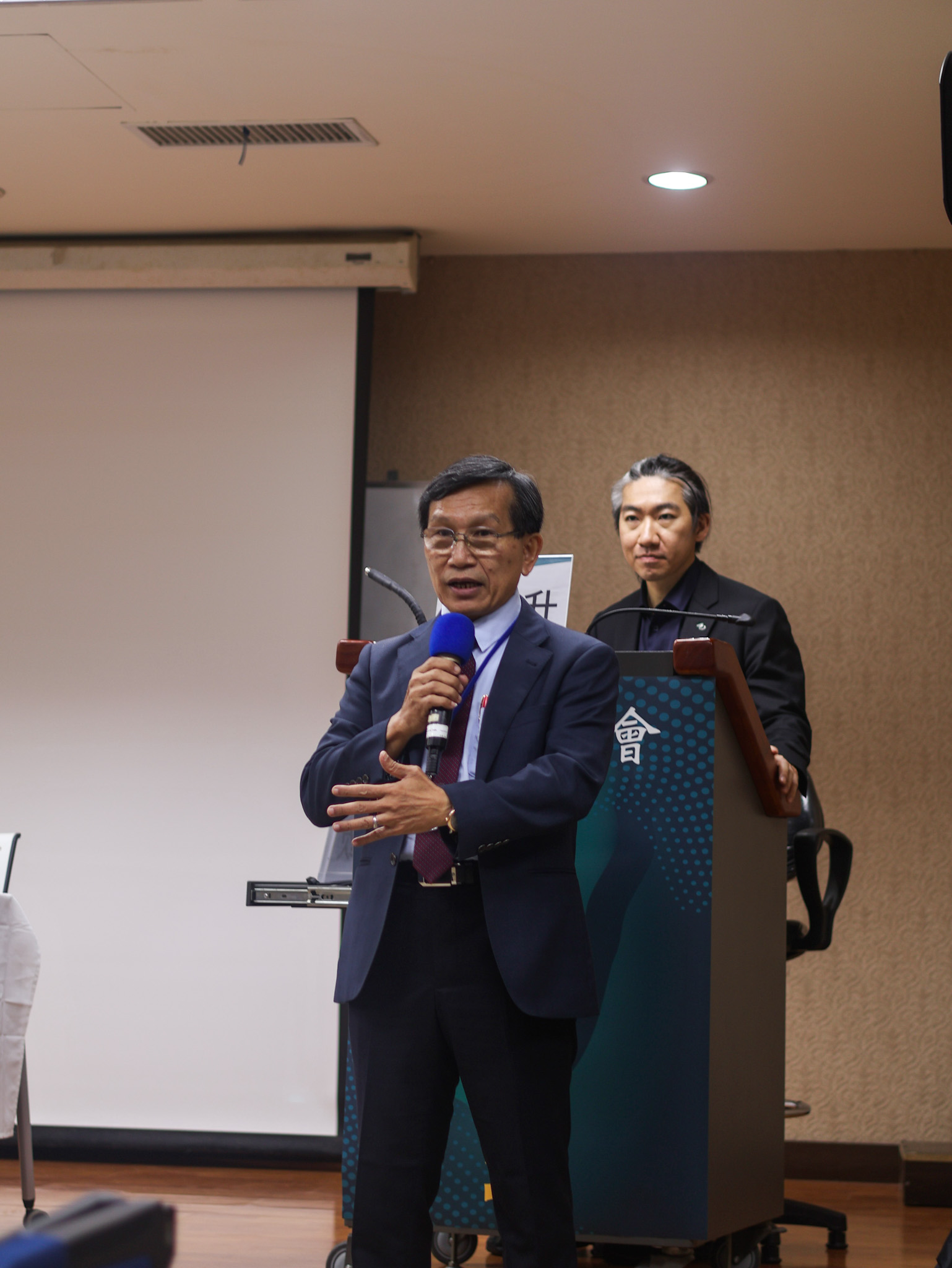
To close off the event, FRA Chair Jason Chen remarked that both energy and healthcare are vital issues of public concern and national security. Given limited time for discussion, the FRA hopes to host more forums in the future to deepen societal understanding of the intertwined issues of national resilience, public health, and security, and to foster broader, more informed public dialogue.